Optimizing Air Freight Operations with Modern Digital Solutions
Tuesday, October 20 2026

The global air freight industry remains a cornerstone of international trade, providing the speed necessary for time-critical supply chains and high-value commodities. As modern market demands shift toward real-time visibility and heightened efficiency, freight forwarders are increasingly adopting cloud-based platforms to manage complex logistics flows. By integrating automated workflows and precise data analytics, forwarders can significantly reduce manual errors while accelerating shipment processing times. This article explores essential strategies for enhancing air freight operations in a competitive landscape, focusing on leveraging technology to drive productivity and maintain excellence in service delivery for your clients across the globe.
Streamlining Booking Processes

Digitizing the booking process allows forwarders to move away from legacy methods like emails and spreadsheets. By automating capacity checks and quotation generation, your team can provide faster responses to customers while maintaining accurate records throughout the entire shipment lifecycle.
- Automated capacity management: Utilize integrated systems to instantly verify space availability with various airlines, ensuring your team secures optimal routes and pricing without the need for endless manual phone calls.
- Real-time quote generation: Deliver professional and accurate price estimates to clients within minutes by using pre-configured algorithms that factor in fuel surcharges, taxes, and fluctuating carrier rates dynamically.
- Standardized documentation flow: Ensure that all essential airway bills and customs forms are generated automatically using live shipment data, which drastically reduces the risk of costly administrative input errors.
- Instant client notifications: Keep your customers informed through automated status updates that trigger whenever a booking is confirmed or when any major changes occur during the shipment process.
By shifting to an automated digital infrastructure, your freight forwarding business can handle higher volumes without increasing headcount. This transition not only improves the internal speed of your operations but also creates a more transparent experience for your clients. Investing in these tools now provides a significant competitive advantage in a market that prioritizes speed, accuracy, and professional reliability for all urgent global logistics shipments.
Enhancing Real-Time Shipment Visibility
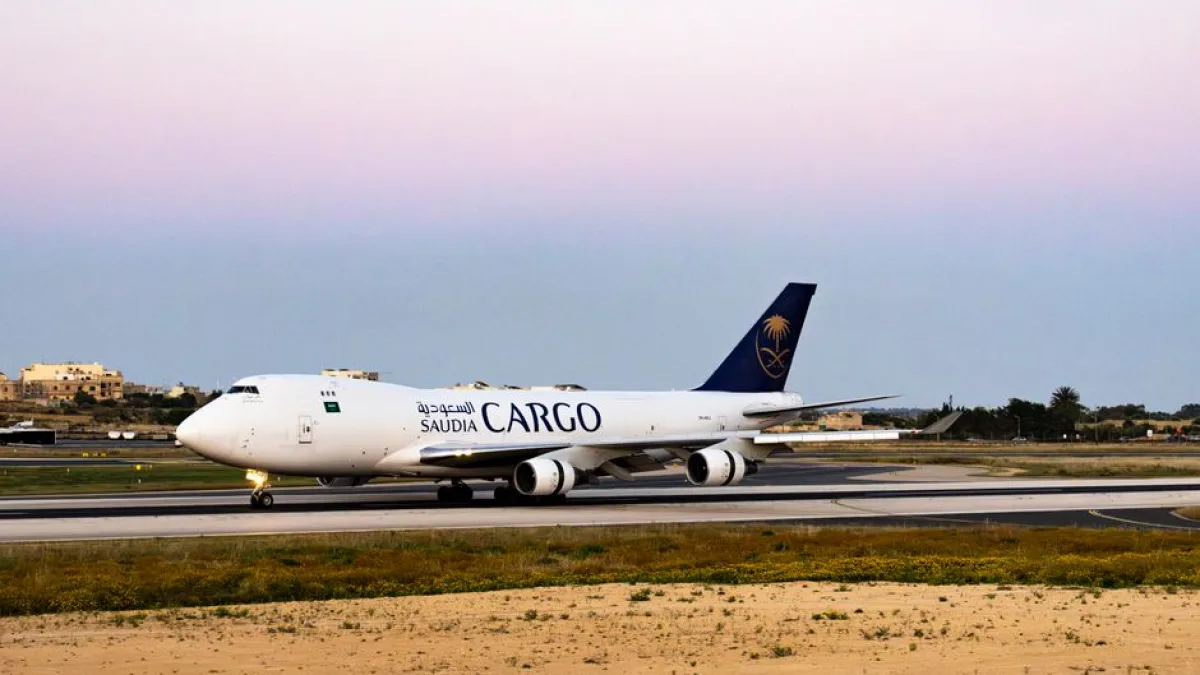
Modern logistics demands constant tracking from origin to destination. Implementing advanced visibility tools ensures that freight forwarders can monitor every parcel movement, providing peace of mind to clients and allowing for proactive management if any unexpected delays arise during transport.
- Live GPS tracking: Integrate sophisticated tracking APIs to provide clients with precise, real-time location data for their air cargo as it moves through various global hubs and airport facilities.
- Proactive exception management: Detect potential bottlenecks or flight cancellations early using automated alerts, enabling your staff to implement contingency plans before the customer even notices a possible supply delay.
- Integrated carrier portals: Connect your software directly to major airline databases to pull updated flight schedules and arrival times directly into your internal dashboard for seamless monitoring.
- Client self-service portals: Empower your customers by offering a dedicated portal where they can view live status updates independently, reducing the volume of inbound status request calls.
Visibility serves as the foundation for trust in the freight industry. By offering clients a window into their shipments through live tracking data, you transform from a traditional provider into a strategic partner. This level of transparency keeps customers satisfied and fosters long term loyalty, ensuring that your firm remains the preferred choice for their most critical and time sensitive international air cargo shipments.
Improving Customs Clearance Efficiency

Customs clearance often represents the biggest bottleneck in air freight. By utilizing cloud software to manage documentation and digital filing, forwarders can ensure compliance, avoid penalties, and keep cargo moving smoothly across international borders without unnecessary delays or inspection holds.
- Electronic customs filing: Submit documentation directly to relevant authorities using integrated software modules that ensure your declarations are compliant with current international trade regulations and local legal requirements.
- Document storage centralization: Keep all commercial invoices, packing lists, and certificates of origin in a single, secure cloud location for quick retrieval during audits or inspection requests.
- Regulatory alert systems: Receive automated notifications about changes to international trade laws or country specific import restrictions, allowing you to update your compliance workflows before issues arise.
- Error verification checks: Use smart system logic to highlight missing information or inconsistencies in customs paperwork before documents are officially submitted to the local port authorities for clearance.
Efficient customs processes are essential for maintaining the speed benefits of air freight. When you remove manual paperwork and standardize your compliance procedures, you minimize the risk of cargo being held at airport terminals. This focus on operational excellence ensures that your clients avoid unexpected costs, allowing for a seamless transition from the runway to the final delivery point for every shipment.
Strategic Data and Financial Analytics

Data analytics empower freight forwarders to make smarter business decisions based on historical trends. By reviewing profitability reports and operational performance metrics, your firm can identify new revenue opportunities and streamline costs to improve the overall bottom line of the organization.
- Profitability per shipment: Analyze margins on every flight route to identify which carriers and lanes offer the best financial returns, helping you negotiate better rates with your service partners.
- Operational performance KPIs: Monitor key metrics such as transit time consistency and documentation cycle speed to evaluate your team performance and identify specific areas for ongoing process improvement.
- Customer behavior insights: Review trends in shipping volume and lane preferences to identify high value clients who may require personalized service packages or dedicated account management strategies this year.
- Financial reporting tools: Generate comprehensive reports on revenue and expenses in seconds, providing management with the data needed to adjust strategies and maximize your company profitability goals.
Harnessing the power of your data is no longer optional for successful freight forwarders. By transforming raw operational figures into actionable insights, you can guide your business toward sustainable growth. Using a platform that captures every detail allows you to stay agile in a changing market while ensuring that your financial performance remains as robust as your logistics operations on the ground.
Conclusion

Mastering modern air freight operations requires a combination of robust technology and efficient workflows. By adopting digital tools for booking, tracking, and compliance, forwarders can improve their service levels while driving operational success. Focus on integrating these solutions to streamline your daily tasks, ultimately providing superior value to your clients. Stay ahead of market demands by embracing innovation and maintaining a proactive approach toward future logistics challenges.