Optimizing Air Freight Operations for Modern Freight Forwarders
Monday, October 26 2026
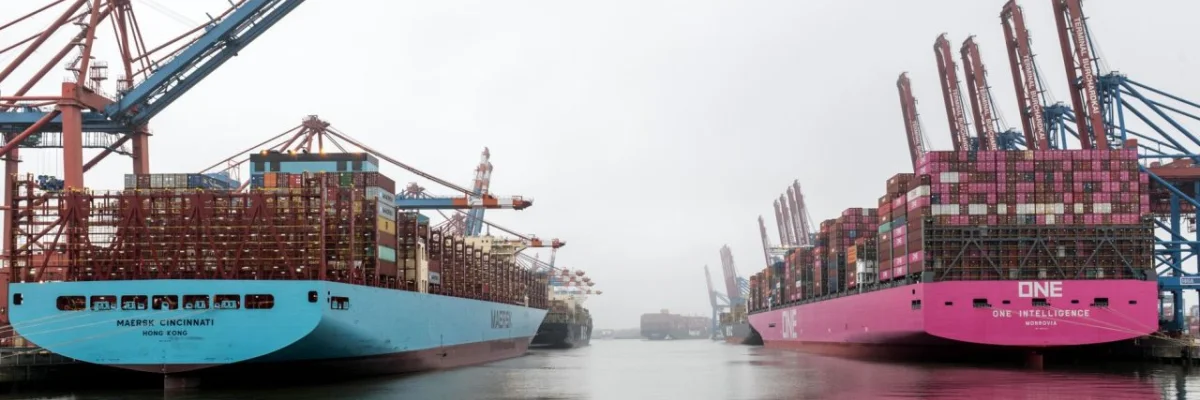
The global logistics landscape moves at an unprecedented pace, making air freight an essential component for businesses requiring speed and reliability. For freight forwarders, managing these rapid shipments demands more than just booking cargo space; it requires seamless coordination, precise documentation, and real-time visibility. As margins tighten and client expectations rise, adopting cloud-based solutions has become a necessity rather than an option. By integrating advanced software platforms like MakeCargo, forwarders can automate complex processes, reduce manual errors, and provide superior service levels. This article explores how modern tools and strategic practices can transform your air freight operations into a highly efficient profit engine.
Digitizing Airway Bill Processing

Streamlining documentation is critical for maintaining high velocity in air freight operations. Moving away from manual paper processes allows teams to reduce entry errors, speed up customs clearance, and ensure that vital shipping data remains accessible throughout the entire supply chain.
- Automated Data Entry: Implement systems that pull information directly from commercial invoices to populate airway bills, significantly reducing the time spent on repetitive manual tasks and lowering data input error rates.
- Real-time Validation: Utilize software features that automatically verify shipment data against airline regulations and destination country customs requirements to prevent costly delays during the pre-departure phase of logistics.
- Electronic Document Sharing: Enable instant sharing of digital documents with carriers, agents, and consignees through a secure cloud portal to maintain transparency while cutting down on expensive courier or email communication overheads.
- Centralized Record Keeping: Store all airway bills and compliance documents in a unified cloud database, ensuring your team has immediate access to critical records for audits or status inquiries anytime.
Transitioning to a paperless environment not only boosts productivity but also enhances your professional reputation with global partners. When documents move digitally, you minimize the risk of misplaced paperwork and improve your response time to urgent carrier requests. Embracing these technological upgrades allows your staff to focus on high-value tasks like customer service and business development rather than spending hours on manual administrative filing.
Mastering Carrier Capacity Management

Effectively managing airline capacity requires a delicate balance of planning and flexibility. Freight forwarders who leverage data-driven insights to monitor space availability can secure better rates, optimize routing, and ensure that urgent shipments consistently meet their scheduled departure deadlines without fail.
- Direct Carrier Integration: Connect your management platform directly to airline booking systems to view real-time space availability, allowing your team to make instant decisions based on the most accurate market data.
- Consolidation Planning Tools: Use smart algorithms to group smaller shipments from multiple clients into single consolidations, which maximizes space utilization and helps you pass significant cost savings to your customers.
- Dynamic Rate Monitoring: Track fluctuating airline pricing trends through integrated dashboards, enabling you to adjust your buying strategies and maintain healthy profit margins even during high-demand peak shipping seasons.
- Capacity Forecasting: Apply historical shipment data to predict future space requirements, ensuring that you pre-book necessary capacity and avoid the premium costs associated with last-minute spot market cargo bookings.
Mastering capacity management is the hallmark of a successful freight forwarding operation. By combining proactive planning with real-time connectivity, you can mitigate the impact of market volatility on your bottom line. These strategic improvements help you maintain consistent service quality, even when global air cargo demand surges. When you manage space with precision, you become a more reliable partner for every client you serve.
Enhancing Shipment Visibility

Providing clients with granular visibility is now a basic expectation in the logistics industry. Freight forwarders must leverage modern tracking technology to deliver proactive status updates, which minimizes customer anxiety and reduces the volume of repetitive status check inquiries your team receives.
- Integrated Tracking Portals: Offer your clients a branded customer portal where they can monitor their air freight shipments in real-time, providing transparency that builds trust and long-term customer loyalty.
- Automated Status Alerts: Configure your software to trigger automatic notifications for key milestones, such as warehouse receipt, flight departure, or customs arrival, keeping all stakeholders informed without manual team intervention.
- Exception Management Alerts: Receive instant notifications when a shipment faces a delay or operational issue, allowing your operations team to resolve problems quickly before they escalate into major customer complaints.
- Unified Carrier Updates: Consolidate tracking data from multiple airlines into one view, ensuring that your staff does not have to jump between various carrier websites to provide accurate shipment status.
Visibility serves as the backbone of exceptional customer service. When your clients have direct access to their shipment data, they feel more confident in your ability to handle their supply chain requirements. This level of transparency also reduces the administrative burden on your staff, freeing them to handle complex logistical challenges. Modern tracking tools are essentially your most effective instruments for nurturing lasting client relationships.
Automating Compliance and Reporting

Navigating the complexities of international trade compliance is vital for every freight forwarder. Automating reporting and security filing processes ensures that your business adheres to global standards while drastically reducing the risk of fines, shipment seizures, or loss of license.
- Automated Security Filings: Integrate your software with government platforms to submit mandatory security filings automatically, ensuring compliance with international air cargo safety regulations without requiring extra manual work hours.
- Customs Code Management: Use digital databases to keep Harmonized System codes updated, preventing classification errors that often lead to heavy penalties and unexpected delivery delays for your diverse client base.
- Performance Analytics Dashboards: Generate detailed monthly reports on carrier performance and shipping volumes, providing actionable insights that help you refine your operations and optimize your overall air freight supply strategy.
- Audit Trail Integrity: Maintain an immutable record of every action taken on a file, which provides your team with total accountability and simplifies the process of preparing for official industry audits.
Automated compliance is a significant competitive advantage in the modern freight industry. By removing the guesswork from security filings and trade documentation, you ensure that your operations run smoothly and securely. These systems act as a safeguard for your business, allowing you to scale your operations with confidence. As regulations continue to evolve, staying updated through automated software ensures your compliance stays perfect every day.
Conclusion

Achieving excellence in air freight requires a commitment to digital transformation and continuous process improvement. By integrating advanced software solutions, you gain the ability to manage complex logistics with speed, accuracy, and full transparency. Focus on digitizing your workflows, optimizing capacity, and providing your clients with the data they demand. Success in this fast-moving industry belongs to those who embrace innovation and modern technology.