Optimizing Air Freight Operations with Advanced Digital Tools
Tuesday, October 27 2026

The global air freight industry faces unprecedented pressure to deliver speed and reliability in an increasingly volatile market. For modern freight forwarders, managing complex logistics chains requires more than just traditional coordination methods. It demands a transition toward cloud based platforms that integrate real time tracking, automated documentation, and seamless communication across international borders. By embracing digital transformation, businesses can reduce manual errors, cut down operational delays, and provide clients with the transparency they expect. This guide explores how freight professionals can leverage software solutions to master the fast paced world of air cargo management and stay ahead of the competition.
Mastering Real Time Tracking

Maintaining visibility over cargo in transit is a core requirement for modern freight forwarders. Modern digital tools provide constant updates on flight status and terminal handling, ensuring that your team and your clients are never left wondering about shipment locations.
- Automated status notifications: Send instant updates to your customers whenever a flight departs or lands, significantly reducing the volume of inbound status inquiry emails handled by your customer service team.
- Integrated flight data: Connect directly with global aviation databases to pull precise scheduling information, ensuring that your logistics planning remains accurate despite unexpected weather or airport operational changes.
- Geofencing alert systems: Set up digital boundaries around airports to trigger automatic warnings when your cargo crosses specific transit points, allowing for proactive intervention if a delay begins to emerge.
- Customer portal transparency: Provide a secure web dashboard where shippers can monitor their air freight progress independently, fostering trust and reducing the need for constant phone call follow-ups.
- Historical data analytics: Track lead times across various carrier routes to identify which airlines consistently deliver on time, helping you make data driven decisions for future high priority shipments.
By shifting to an automated tracking model, your freight forwarding company gains a significant advantage in reliability. Moving away from manual email updates allows your team to focus on resolving actual transit exceptions rather than providing basic status reports. This efficiency not only saves time but also strengthens client relationships by demonstrating a commitment to high level service standards and transparent communication throughout the entire shipping process.
Automating Air Cargo Documentation
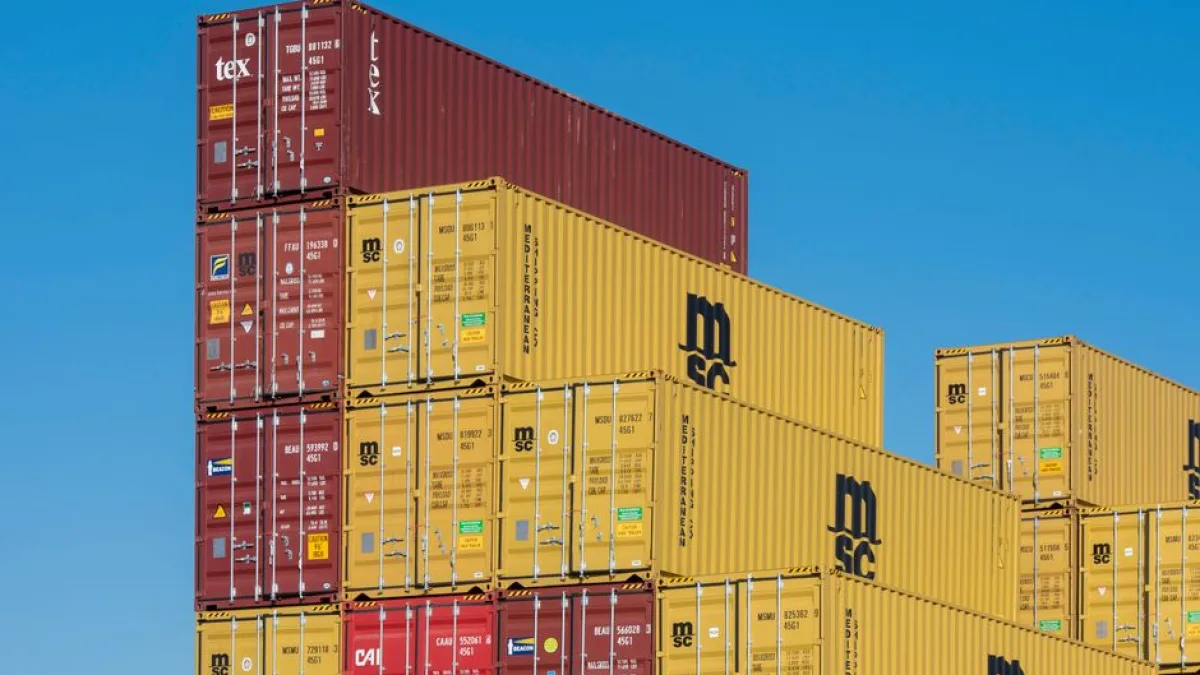
Paperwork remains the biggest bottleneck in air freight operations. Digital platforms now allow for the electronic submission of airway bills and customs declarations, eliminating the need for physical copies while accelerating the verification process at busy international transit hubs and airports.
- E-AWB digital integration: Connect your software directly to airline portals for seamless electronic airway bill filing, removing manual data entry steps that frequently cause clerical errors during high volume periods.
- Cloud document storage: Keep all shipping invoices and packing lists in a centralized, secure location, ensuring that your documentation is compliant and accessible for audits or customs inspection.
- Automated compliance checks: Utilize intelligent software that scans your documents for missing information or regulatory errors before you submit them to authorities, preventing costly fines and cargo holds.
- Instant document sharing: Enable your logistics partners and carriers to access finalized shipping documents within seconds, streamlining the handover process at airport warehouses and reducing truck waiting times.
- Smart template generation: Speed up the creation of standard shipping forms by using pre-filled templates that pull data directly from your client database, ensuring consistency across all outgoing freight.
Modernizing your documentation workflow is an essential step for any forwarder looking to scale their operations. By reducing the reliance on manual paper filing, you lower the risk of administrative errors that can lead to significant transit delays. Adopting these digital solutions creates a faster, cleaner, and more audit-ready workflow that ensures your freight moves through customs clearance processes with maximum speed and minimal friction.
Dynamic Carrier Capacity Management

Managing space on aircraft requires precision and foresight. Cloud software tools enable forwarders to visualize available capacity across multiple airline partners, allowing them to secure competitive rates and optimize their bookings based on real time supply and demand market fluctuations.
- Capacity alert monitoring: Receive instant notifications when airline space opens up on busy routes, allowing you to secure vital slots for your clients before your competitors can react to news.
- Carrier performance scoring: Review historical metrics to compare airline reliability, which helps you choose the best partner for sensitive cargo while maintaining stable costs and service levels for customers.
- Dynamic quoting tools: Generate accurate price estimates instantly by pulling live airline rates, ensuring that your quotes are always competitive and reflective of the current global fuel surcharges.
- Allocation management dashboard: Track your existing carrier allocations in a single view to ensure you are meeting volume commitments while optimizing costs for your most frequent freight lanes.
- Multi carrier integration: Manage bookings with multiple airline partners through a single unified interface, reducing the complexity of juggling various airline portals and login credentials during busy days.
Efficient capacity management is the backbone of a successful air freight business. By leveraging software to monitor airline performance and market rates, you can offer your clients the best possible routes at the most competitive pricing. This proactive approach transforms the booking process from a reactive chore into a strategic advantage, ensuring your firm remains a top choice for shippers requiring reliable global connectivity.
Streamlining Warehouse to Tarmac

The transition between the warehouse and the aircraft is often where delays occur. By using digital platforms to coordinate ground handling teams and trucking services, forwarders can ensure that cargo is processed and moved to the airport precisely when needed.
- Ground handling coordination: Sync your arrival schedules with local airport warehouse teams to minimize dwell time, ensuring that your freight is prioritized for processing upon arrival at the gate.
- Digital yard management: Track the movement of trucks and cargo containers within your facility to keep operations moving, preventing bottlenecks before they can cause a missed flight connection.
- Tarmac transfer monitoring: Use digital checklists to verify that all necessary security seals and cargo manifests are ready for loading, ensuring a smooth transition onto the awaiting aircraft.
- Resource allocation planning: Forecast your staffing and equipment needs based on incoming shipment volumes, allowing you to maintain an efficient warehouse floor even during seasonal peak times.
- Error proofing processes: Implement barcode scanning and digital verification at each stage of the loading process, reducing the risk of cargo being loaded onto the incorrect flight.
Optimizing the movement of goods from your facility to the runway significantly boosts your overall service reliability. By digitizing these critical handoff points, you remove the guesswork and human error that lead to missed deadlines. This precise coordination ensures that your air freight shipments stay on schedule, providing your clients with the consistent, professional service they require to keep their own supply chains running smoothly.
Conclusion

Transitioning your air freight business to a digital first approach is no longer optional for those seeking growth. By adopting cloud based software for tracking, documentation, capacity management, and warehouse efficiency, you build a foundation for long term success. Start your journey toward streamlined logistics today by exploring the MakeCargo platform and discovering how our integrated tools can elevate your daily freight operations significantly.