Optimizing Air Freight Operations for Modern Freight Forwarders
Wednesday, October 28 2026

The global air freight landscape is evolving rapidly as shippers demand greater speed and transparency in their supply chains. For freight forwarders, managing these high stakes requires a balance of precision, technology, and strategic carrier partnerships. Moving goods by air involves complex regulatory hurdles and fluctuating capacity constraints that can impact bottom lines. To stay competitive, companies must leverage cloud-based platforms to automate manual tasks and ensure real-time visibility for their clients. By adopting data-driven workflows, forwarders can mitigate risks, reduce delays, and provide superior service levels that drive long-term business growth in this fast-paced logistics industry.
Mastering Capacity Management

Air cargo capacity management requires a proactive approach to booking space on commercial and freighter aircraft. Forwarders must balance fluctuating seasonal demand against airline schedules to ensure shipments are delivered on time without incurring exorbitant costs from last minute spot rates.
- Strategic Airline Alliances: Building strong relationships with air carriers secures consistent space allocations during peak seasons and provides reliable access to priority lanes when market demand spikes for your clients.
- Advanced Booking Tools: Utilizing cloud-based software enables your team to compare current rates across multiple airlines instantly, allowing you to choose the most cost-effective routes without manual data entry.
- Seasonal Demand Forecasting: Analyzing historical shipping data helps forwarders anticipate volume trends, allowing them to reserve necessary capacity in advance while avoiding the financial risks of empty air space.
- Real-time Capacity Updates: Integrating digital dashboards provides instant visibility into carrier availability, enabling your staff to adjust shipping plans quickly when flight cancellations or technical delays impact original scheduling.
Developing a robust strategy for capacity management transforms how your brokerage operates. By combining historical data with modern digital tools, you gain the ability to navigate market volatility with ease. This shift reduces reliance on unpredictable spot markets and stabilizes operational budgets. Ultimately, professional capacity planning fosters trust with your shipper base, as they see consistent performance even during the most challenging global logistics environments.
Streamlining Regulatory Compliance
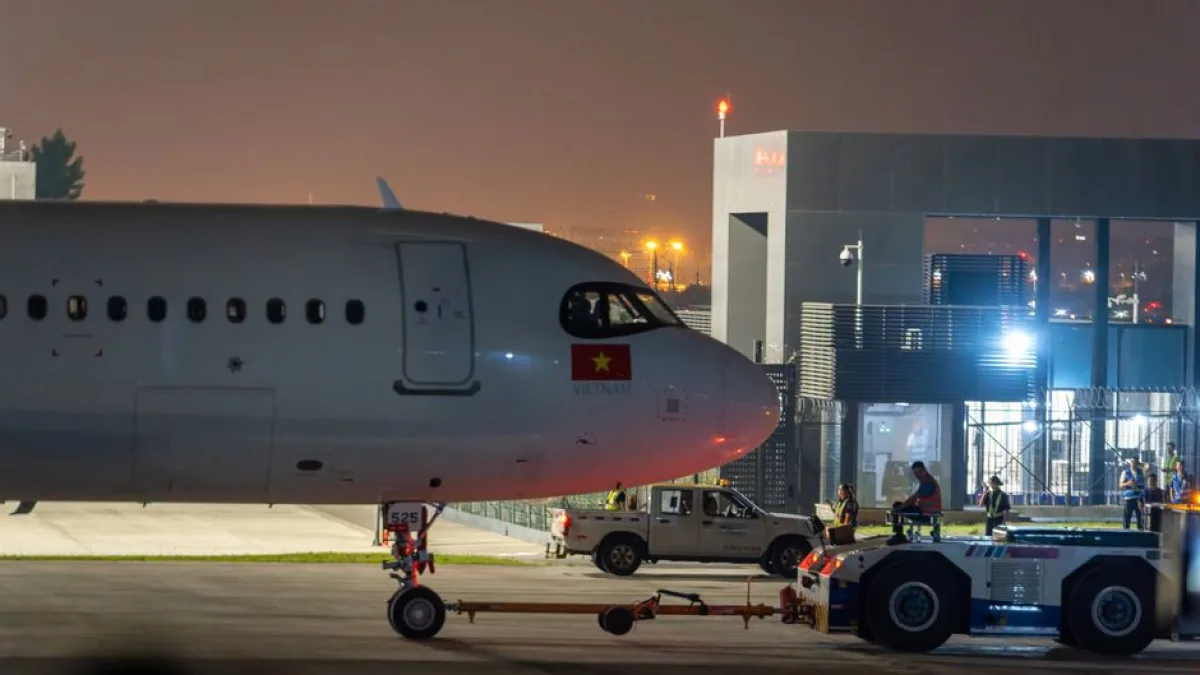
Compliance with international aviation standards and local customs regulations is non-negotiable for air freight professionals. Navigating these requirements demands strict attention to detail to avoid penalties, shipment seizures, or significant delays that can tarnish your company reputation and operational efficiency.
- Automated Documentation Processing: Modern platforms digitize airway bills and commercial invoices, ensuring that all regulatory data is captured accurately and submitted electronically to relevant authorities without any human input errors.
- Dangerous Goods Handling: Specialized software modules guide your operations team through strict IATA regulations, ensuring that all hazardous materials are packaged, labeled, and declared according to international safety laws.
- Real-time Compliance Checks: Automated screening processes verify shipment details against global restricted party lists and security regulations, protecting your brokerage from accidental involvement in unauthorized or illegal shipping activities.
- Electronic Customs Filing: Integrating your logistics platform directly with customs portals facilitates faster clearing times, significantly reducing the dwell time of high-value goods at airport transit warehouses and hubs.
Navigating the complex world of international air cargo regulations does not have to be a manual nightmare. By digitizing your compliance workflows, you minimize the risk of human error and expedite the movement of sensitive goods. These improvements lead to faster transit times for your customers and keep your operations fully aligned with ever-changing global aviation security standards and national customs requirements.
Leveraging Digital Visibility

True visibility in air freight goes beyond simple milestone updates, providing shippers with actionable insights into their cargo journey. Offering high-level transparency builds long-term loyalty and positions your forwarding business as a modern, reliable partner in their global supply chain.
- End-to-end Cargo Tracking: Implementing integrated tracking tools allows your customers to monitor their shipment status from warehouse pickup to final airport delivery through a secure, user-friendly client web portal.
- Automated Milestone Alerts: Custom notification systems push proactive updates to shippers whenever a status changes, reducing the volume of inbound status inquiries handled by your busy customer service team.
- Exception Management Reporting: Proactive monitoring tools notify your staff immediately when an issue occurs, allowing you to implement contingency plans before the client even notices a potential delay exists.
- Data-driven Client Insights: Providing detailed performance reports based on shipping history helps your clients optimize their own logistics strategies, strengthening your professional relationship through added value and analytical transparency.
Transparency is the most effective tool for client retention in the modern air freight market. When you provide shippers with continuous access to status updates and performance data, you eliminate the uncertainty that causes friction. This modern approach to communication empowers your clients to manage their inventories better. As a result, you differentiate your brand from competitors who still rely on outdated, manual communication.
Enhancing Operational Efficiency

Efficiency in air freight is driven by the elimination of repetitive manual processes that slow down your team. By streamlining your internal workflows, you unlock capacity for your staff to focus on higher value tasks like customer acquisition and complex problem solving.
- Cloud-based Workflow Automation: Centralizing all operations in a cloud platform eliminates data silos, allowing different departments to access updated shipping documents and financial data simultaneously from any location.
- Standardized Operational Workflows: Defining digital process templates for each shipment type ensures that every air freight job follows the same quality standards, preventing missed steps and improving team accountability.
- Integration with Accounting: Linking logistics software with your finance systems automatically generates invoices based on verified shipment data, drastically reducing the time spent on manual billing and financial reconciliation.
- Performance Analytics Dashboards: Analyzing operational metrics such as average transit times and margin per flight helps your management team identify bottlenecks, enabling continuous improvement of internal service delivery processes.
Boosting your operational productivity requires moving away from legacy systems and disconnected spreadsheets. When your team uses a unified platform to manage every aspect of air logistics, they work faster and with fewer mistakes. This high level of efficiency not only reduces overhead costs but also scales your capacity for growth. You can handle more volume without necessarily needing to increase your headcount.
Conclusion
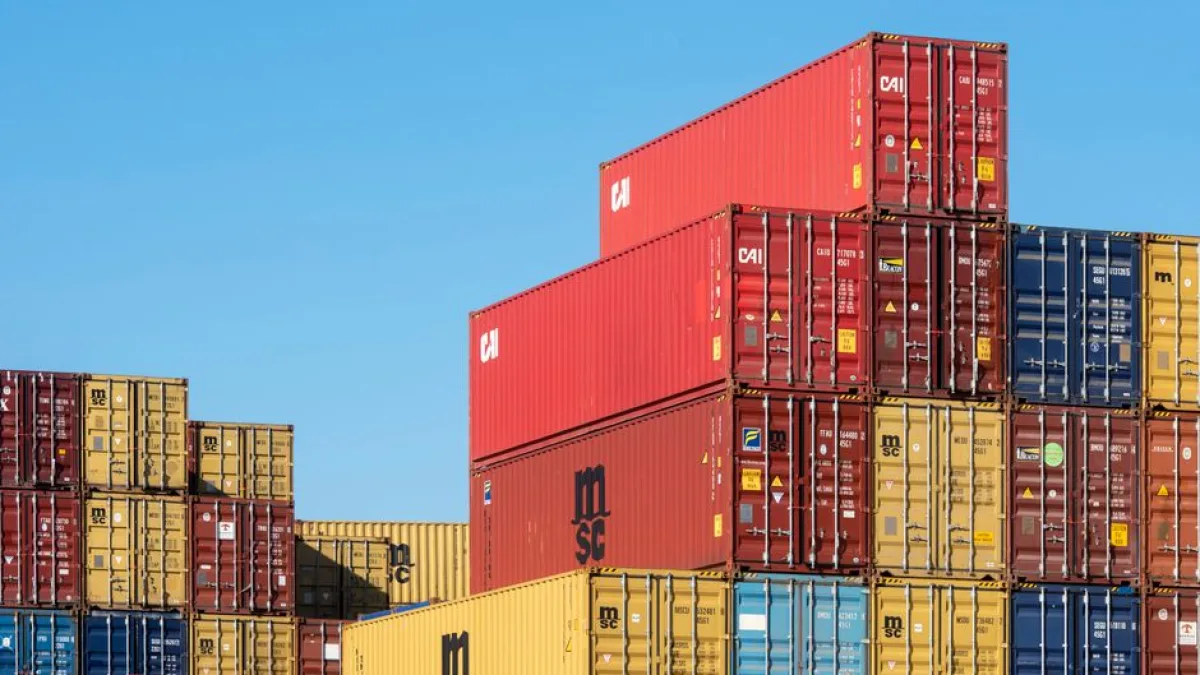
Mastering air freight operations requires a combination of smart technology, regulatory vigilance, and efficient internal processes. By digitizing workflows and prioritizing transparency, your forwarding business can achieve a significant competitive edge in the global logistics market. Focus on building strong carrier relationships and utilizing data to refine your services. These fundamental steps will ensure that your firm remains a leader in the air freight industry.