Optimizing Air Freight Operations with Modern Digital Tools
Friday, October 30 2026

The global air freight industry demands unparalleled precision and speed to maintain supply chain integrity in an increasingly volatile market. As cargo volumes fluctuate and operational complexities rise, freight forwarders must transition from legacy manual processes to cloud-based automation. By leveraging real-time data and integrated software solutions, logistics professionals can enhance visibility, reduce human error, and improve overall service delivery times. This strategic shift not only optimizes warehouse workflows but also strengthens client relationships through transparent communication. Embracing digital transformation is no longer an optional upgrade; it is the essential backbone for competing effectively within the demanding modern landscape of international air logistics.
Streamlining Booking Processes

Digital transformation begins at the booking stage where efficiency is paramount for operational speed. By digitizing the initial request phase, forwarders eliminate back-and-forth communication, allowing for instant rate verification and capacity confirmation that keeps the entire supply chain moving without unnecessary delays.
- Instant Rate Comparison: Software platforms allow users to compare carrier prices instantly, ensuring that freight forwarders secure the most cost effective routing options while maintaining strict delivery deadlines for their clients.
- Automated Booking Confirmations: Manual data entry errors are significantly reduced when booking details are automatically synced from client requests directly into your freight forwarding software and carrier management systems.
- Real Time Capacity: Accessing live schedule data prevents overbooking and enables logistics teams to pivot quickly if flight cancellations or capacity constraints impact their planned shipment routes during transit.
- Client Portal Access: Providing customers with direct portal access for booking creates a transparent environment, empowering them to initiate shipments while your team focuses on high level exception management.
Adopting automated booking tools drastically reduces the administrative burden typically associated with traditional manual handling. Forwarders who prioritize these digital workflows benefit from faster turnaround times and superior accuracy. By centralizing all booking data within a single cloud platform, your team can eliminate siloed information, foster internal collaboration, and ultimately provide a seamless experience that builds long-term loyalty with every single global shipping partner.
Enhancing Cargo Visibility

Visibility is the core requirement for modern freight customers who demand constant updates on shipment status. Cloud software provides granular tracking details that transform raw data into actionable insights, allowing forwarders to proactively manage expectations and handle unforeseen transit disruptions effectively.
- Live Tracking Updates: Automated notification systems keep all stakeholders informed about shipment progress, reducing the number of manual status inquiries and freeing up time for your support team.
- Predictive Milestone Alerts: Advanced analytics software identifies potential delays before they occur, giving freight forwarders the necessary time to arrange alternative transport or inform clients of adjusted schedules.
- Unified Tracking Dashboards: Centralizing data from various airlines into one dashboard ensures that your team has a clear, accurate view of all active shipments at any given moment.
- Document Integration Features: Linking tracking status to digital airway bills ensures that all required customs documentation is easily accessible and verifiable by both your team and authorities.
Proactive visibility serves as a powerful competitive advantage in the fast-paced air freight industry. By offering clients accurate information at their fingertips, forwarders demonstrate reliability and professional competence. This high level of transparency minimizes the stress of logistics management, allowing your partners to trust your expertise even when global circumstances create unavoidable challenges during the complex international shipping process today.
Improving Documentation Accuracy

Accurate documentation is critical for avoiding customs fines and ensuring shipments move through security protocols without issues. Digital platforms automate the generation of compliance forms, ensuring that every submission is consistent, error-free, and compliant with current international air cargo regulations.
- Auto Populated Forms: Freight software pulls data from existing shipment profiles to automatically fill out airway bills, reducing manual typing mistakes and ensuring complete data integrity throughout.
- Standardized Compliance Templates: Preloaded templates for common regulatory requirements ensure that all shipping documents follow industry standards, preventing unnecessary rejection at customs or cargo security inspection points.
- Secure Cloud Storage: Digital document management keeps sensitive information encrypted and organized in the cloud, allowing for instant retrieval during audits or inquiries from global trade authorities.
- Electronic Signature Integration: Integrating digital signatures streamlines the approval process, allowing partners to sign off on critical documents without the physical delays associated with traditional paper mailing systems.
Investing in automated documentation tools is a strategic move that saves valuable time while mitigating financial risks. By ensuring that every document is verified and standardized before submission, freight forwarders avoid the costly delays caused by paperwork errors. This streamlined approach allows your team to handle higher shipment volumes with greater confidence and maintain high standards of quality across all global trade lanes.
Optimizing Warehouse Workflows
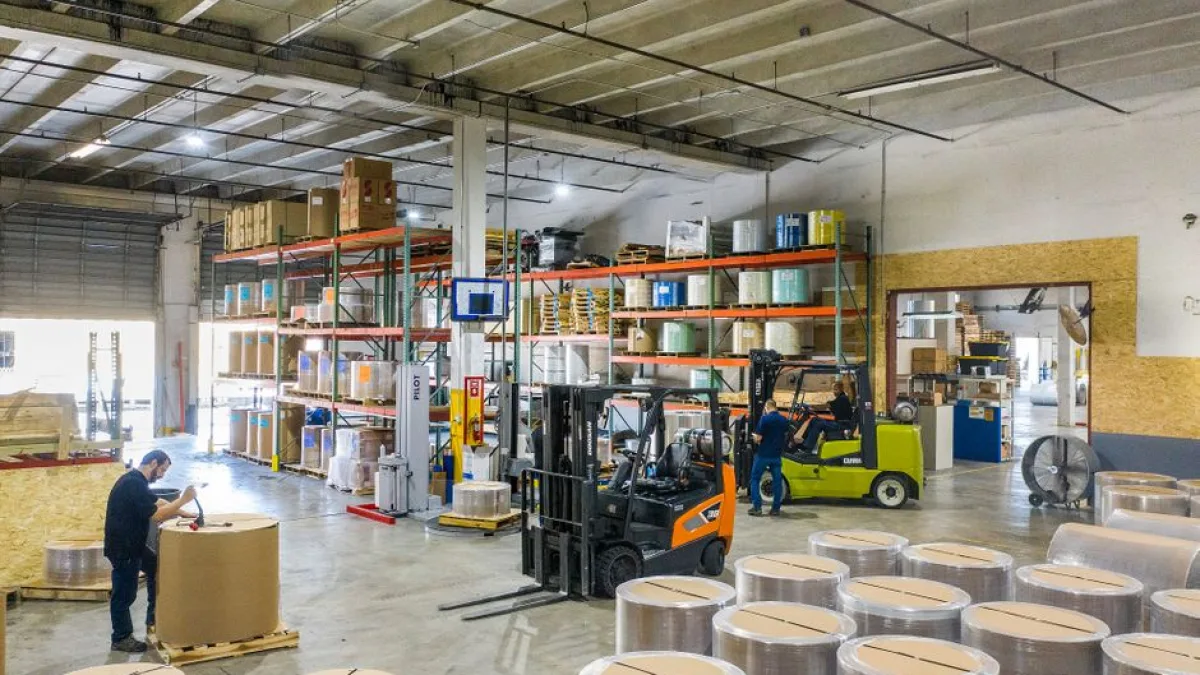
Efficient warehouse operations are the final piece of the air freight puzzle, ensuring cargo is palletized, labeled, and prepared for air transit. Integration between your office software and warehouse systems creates a seamless flow of information that maximizes speed and accuracy.
- Barcode Label Generation: Automated label printing ensures that all packages are clearly marked with tracking info, which accelerates the sorting process at busy airport cargo handling facilities.
- Inventory Management Sync: Real time synchronization between inventory systems and the booking portal ensures that physical warehouse stock levels match your digital records for every shipment processed.
- Efficient Load Planning: Digital software helps warehouse staff calculate optimal pallet configurations, ensuring that weight and volume limits are respected while maximizing the available space for cargo.
- Staff Efficiency Tracking: Monitoring warehouse task completion times helps management identify bottlenecks and optimize the distribution of labor during peak shipping seasons for your logistics organization.
Well managed warehouse workflows lead to faster ground handling and reduced risk of cargo damage. When your physical operations are perfectly synchronized with your digital software, you create a harmonious environment that supports peak performance. Freight forwarders who focus on these internal efficiencies are better positioned to scale their operations successfully and meet the ever increasing demands of the global air transport market.
Conclusion

Integrating cloud based software is the most effective way to modernize air freight operations and stay competitive. By streamlining bookings, improving visibility, automating documentation, and optimizing warehouse workflows, you create a robust foundation for growth. Implement these digital tools within your freight forwarding business today to drive efficiency, enhance client satisfaction, and secure your place as a leader in the fast-paced global logistics industry.