Optimizing Air Freight Operations for Modern Freight Forwarders
Friday, October 30 2026

The global air freight industry demands unparalleled precision and agility in an era defined by volatile supply chains and consumer expectations for rapid delivery. Freight forwarders are increasingly tasked with managing complex logistics flows while maintaining visibility and cost efficiency across international borders. As digital transformation sweeps through the shipping sector, adopting cloud-based solutions has become essential for scaling operations and improving service delivery. By integrating real-time data and automated processes, logistics professionals can navigate the inherent challenges of air cargo, ensuring that time-sensitive shipments arrive safely and on schedule while maximizing profitability within their competitive networks.
Streamlining Booking Processes

Digital booking platforms represent the modern standard for freight forwarders looking to replace manual, error-prone workflows with seamless automation. These tools allow agents to compare rates instantly and manage multiple carrier options from a centralized cloud environment for improved accuracy.
- Instant Rate Retrieval: Access real-time pricing from various global air carriers to provide clients with the most competitive quotes while reducing the time spent on manual phone calls.
- Automated Documentation Flow: Generate essential shipping documents automatically within the platform, minimizing human errors and ensuring compliance with international air transport regulations for every single booked shipment.
- Carrier Capacity Management: Monitor available space across different flight schedules to secure critical capacity during peak seasons, ensuring your logistics operations remain fluid despite global supply chain fluctuations.
- Client Visibility Portals: Offer your customers a dedicated dashboard to track their air shipments, which reduces inquiry volume and builds long-term trust through transparent communication and reliable updates.
Integrating a centralized booking engine allows your team to move away from tedious spreadsheet management. By automating routine tasks, you free up valuable staff time to focus on complex logistical hurdles that require human expertise. This shift not only improves operational efficiency but also significantly elevates the customer experience by providing faster, more accurate service throughout the entire lifecycle of an air freight shipment.
Enhancing Real-Time Shipment Visibility
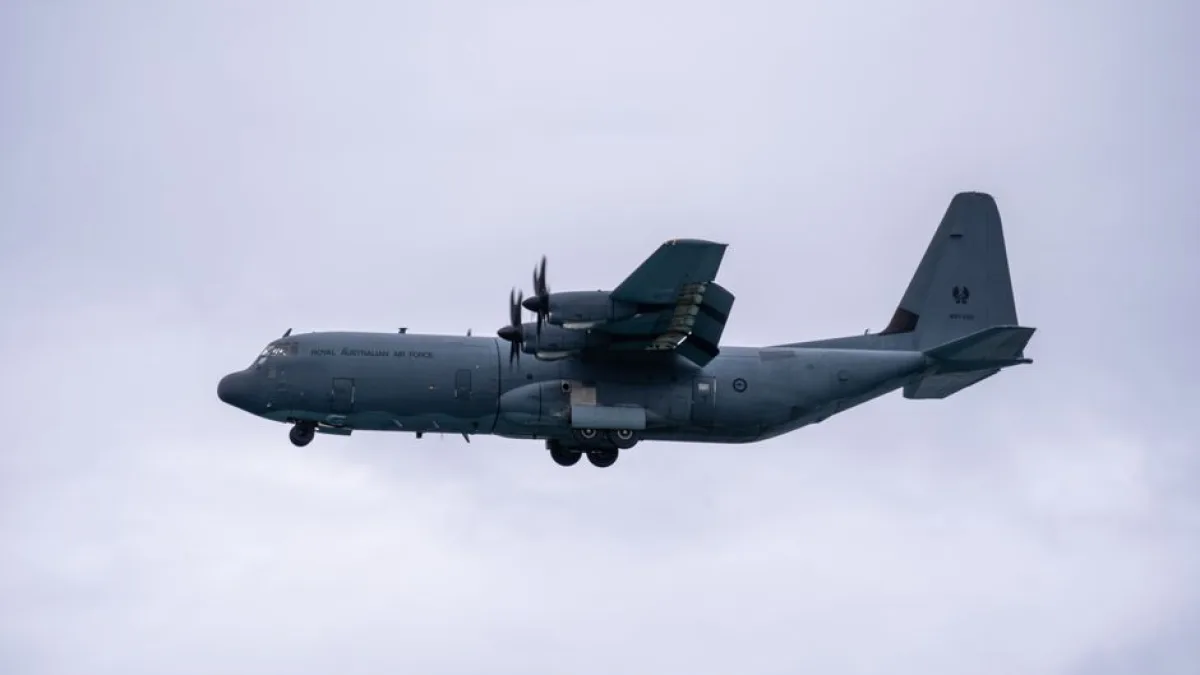
Achieving true end-to-end transparency is the hallmark of a successful freight forwarder in the current market. Advanced tracking technology provides granular insights into the status of shipments, allowing teams to proactively manage delays and keep clients informed at all times.
- Live Tracking Integration: Connect directly with airline data streams to pull precise shipment statuses, ensuring your team has the most updated information before customers even ask for it.
- Proactive Exception Alerts: Configure automated notifications that trigger when a shipment faces a delay or unexpected hold, allowing you to intervene quickly and implement corrective action measures early.
- Digital Milestone Tracking: Map out every stage of the air transport journey, from ground handling to final delivery, ensuring that no checkpoint is missed in the transit process.
- Historical Data Analytics: Utilize stored tracking data to analyze carrier performance trends, helping you identify which partners consistently meet deadlines and which ones require closer operational management oversight.
Real-time visibility is no longer just a luxury feature but a fundamental requirement for clients who demand constant connectivity. By utilizing robust tracking software, forwarders can turn raw data into a competitive advantage. This level of clarity helps mitigate the risks associated with global transport, allowing for faster decision making and stronger relationships with stakeholders who rely on your consistent and dependable logistics performance.
Optimizing Air Cargo Ground Handling
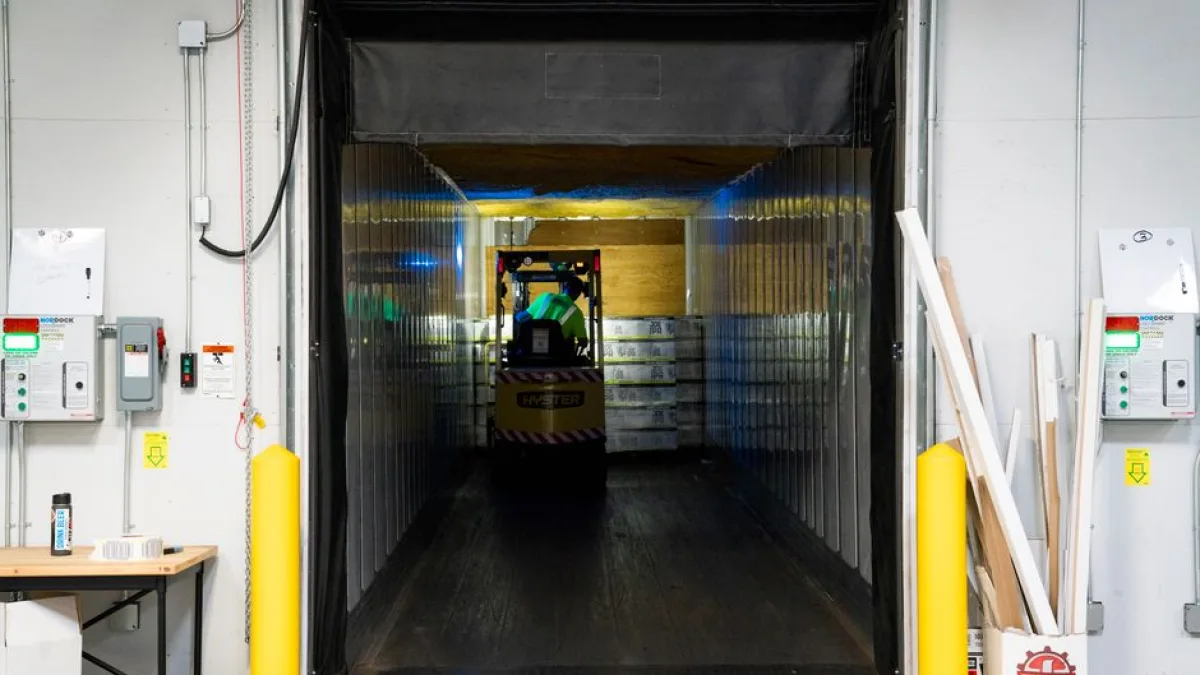
Efficient ground handling is a critical link that connects air transport to last-mile delivery services. Managing warehouse operations requires tight coordination between freight forwarders and ground agents to ensure cargo moves quickly through loading docks and airport security checkpoints.
- Optimized Slot Management: Organize pickup and delivery schedules to minimize wait times at airport terminals, ensuring that your ground handling team operates at peak efficiency during busy shifts.
- Digital Warehouse Inventories: Maintain a precise digital record of all stock currently stored in your warehouse to prevent loss and streamline the movement of goods towards flights.
- Regulatory Compliance Checks: Implement automated screening for security and dangerous goods declarations to ensure every pallet or package meets the strict requirements set by aviation safety authorities.
- Seamless Partner Communication: Establish integrated communication channels with ground staff and warehouse managers, fostering a collaborative environment that prevents bottlenecks and accelerates the turnaround time for air cargo.
Focusing on the ground handling stage prevents the common bottlenecks that often occur between the tarmac and the warehouse floor. Streamlining these interactions ensures that shipments do not get stuck in queues, maintaining the speed that air freight is known for. By using digital management tools, you can ensure that ground activities are perfectly aligned with flight schedules and client delivery expectations daily.
Scaling Operations Through Automation

Scaling a freight forwarding business requires a robust digital backbone capable of handling increasing volumes without sacrificing quality. Automation allows your team to handle complex logistics tasks with ease, ensuring that your operations remain profitable even as your client base grows.
- Financial Process Automation: Connect your operational data directly to accounting systems to simplify invoicing, tax calculation, and payment processing tasks for a more efficient and error-free financial workflow.
- Scalable Cloud Infrastructure: Utilize cloud-based software that grows alongside your business, allowing you to add new users and features without needing expensive hardware upgrades or complex system re-installations.
- Data-Driven Strategy Tools: Apply analytical insights to your operational processes, enabling you to identify growth opportunities and optimize routes based on historical performance and current market demand.
- Integrated Workflow Modules: Combine booking, documentation, and billing into one single platform, reducing the need for disjointed software that often leads to data silos and fragmented internal communication.
Automation serves as the engine for sustainable growth, enabling forwarders to handle higher shipment volumes without a proportional increase in administrative staff. By relying on smart software solutions, your business gains the agility needed to pivot during market shifts and capitalize on new opportunities. This strategic focus on technology ensures that your operations remain lean, responsive, and ready for the future of global logistics.
Conclusion

Optimizing air freight operations requires a commitment to digital tools that enhance visibility, speed, and accuracy. By embracing cloud-based automation, forwarders can overcome the traditional barriers of manual documentation and fragmented communication. Investing in these technologies today ensures your business stays competitive in an increasingly fast-paced global market. Start leveraging smarter software solutions now to elevate your service quality and drive significant long-term growth.