Optimizing Air Freight Operations for Modern Freight Forwarders
Friday, October 30 2026
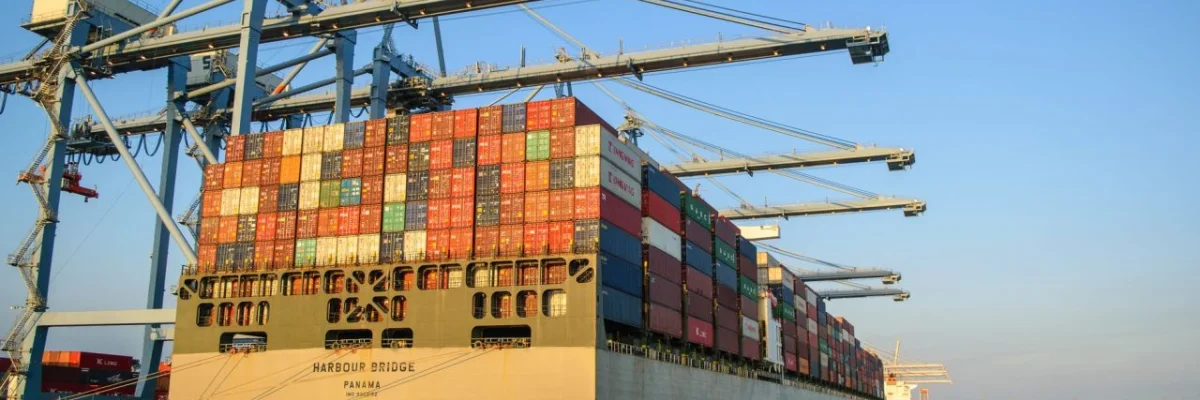
The global air freight industry demands unparalleled precision and agility to meet the rapid expectations of modern supply chains. As freight forwarders grapple with fluctuating capacity, intricate regulatory requirements, and the constant pressure of urgent shipments, the need for robust digital infrastructure becomes paramount. Adopting cloud-based solutions allows logistics teams to transcend traditional operational hurdles by centralizing communication and automating manual tasks. This shift not only accelerates booking processes but also provides the real-time visibility necessary to navigate global disruptions effectively. Mastering these high-speed logistics channels requires a strategic blend of technological integration, proactive partner coordination, and data-driven decision making.
Streamlining Booking Processes

Digital platforms transform how agents manage bookings by consolidating fragmented information into a single intuitive interface. This modernization reduces administrative burdens and minimizes human error during the critical initial phases of cargo procurement, ensuring shipments depart on schedule every time.
- Automated Rate Searching: Real time access to airline capacity data enables forwarders to compare prices across multiple carriers instantly, ensuring they secure the most cost effective routing for every specific shipment.
- Instant Booking Confirmation: Automated systems send booking requests directly to carrier portals, reducing the latency typically associated with manual email exchanges and phone calls between agents and airline representatives.
- Dynamic Schedule Tracking: Integrated dashboards display live flight schedules and potential delays, allowing forwarders to proactively reroute urgent cargo before minor setbacks turn into significant supply chain failures for customers.
- Digital Documentation Management: Centralizing air waybills and customs paperwork in a cloud repository ensures all essential files are accessible, compliant, and ready for rapid processing at international airports globally.
Efficient booking workflows serve as the backbone of successful air freight operations. By removing friction from the request phase, forwarders can focus their human resources on high-value tasks like customer relationship management and exception handling. When systems communicate seamlessly with airline networks, the reliability of the entire transport lifecycle improves significantly, fostering deeper trust with shippers who demand speed and transparency in today's market.
Mastering Compliance Regulations

Navigating the complex landscape of international trade requires deep expertise in customs compliance and security protocols. Maintaining accurate records is essential to avoid costly border delays and ensure that all shipments meet strict aviation safety standards and documentation requirements.
- Global Compliance Checks: Automated software modules verify all international trade restrictions and import regulations, preventing cargo from being held at borders due to missing permits or invalid declaration forms.
- Security Protocol Adherence: Integrating validated screening documentation directly into shipment files ensures compliance with airline safety standards and prevents unnecessary hold times during the ground handling phase of transport.
- Real Time Regulatory Updates: Modern platforms notify users of sudden changes in airport security rules or customs tariffs, allowing teams to adjust their operational strategies before shipments face any disruptions.
- Audit Trail Visibility: Maintaining a comprehensive digital history of every shipment provides forwarders with the necessary evidence to resolve disputes and satisfy requirements during periodic regulatory inspections or reviews.
Strict adherence to regulatory standards protects both the forwarder and their clients from legal liabilities and severe operational penalties. By automating compliance tasks, businesses reduce the risk of oversight during the rapid-fire pace of air freight logistics. A culture of compliance supported by cloud technology creates a foundation of stability, allowing forwarders to handle diverse cargo types with absolute confidence and professional integrity.
Enhancing Cargo Visibility
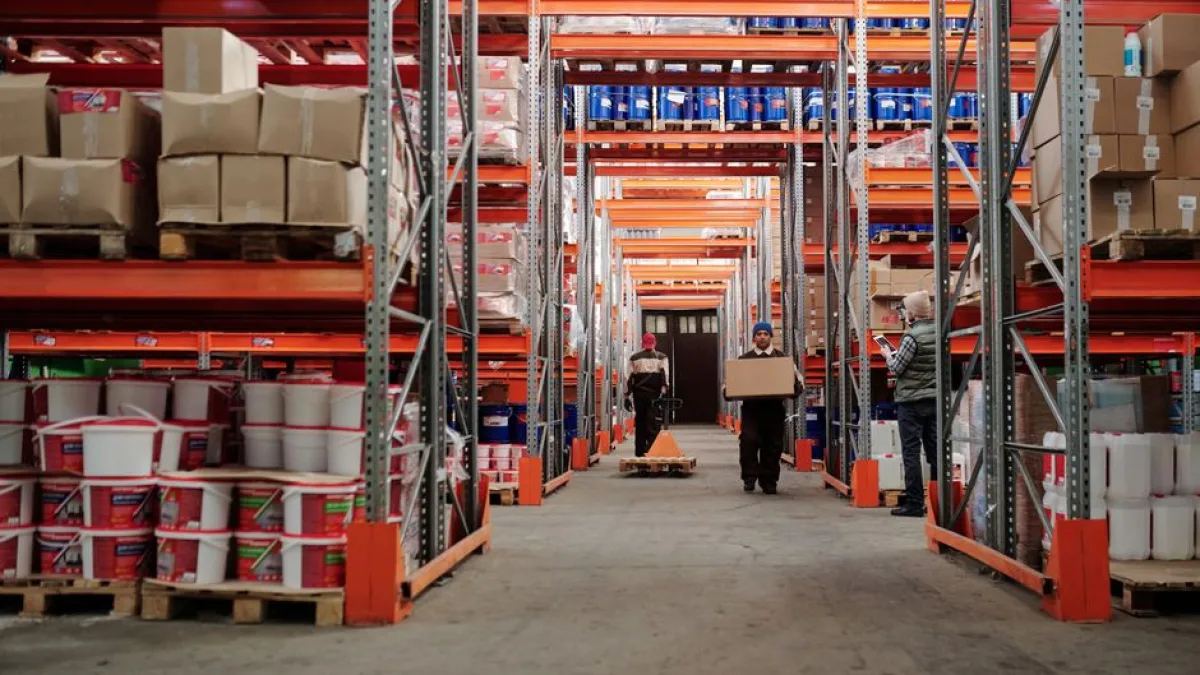
Visibility is the primary currency in modern logistics, as clients expect constant updates on the location and status of their high-value goods. Real time tracking capabilities bridge the gap between dispatch and final delivery, ensuring total operational clarity.
- Live Shipment Tracking: Integrating GPS data and carrier status updates into a unified dashboard allows forwarders to provide precise ETAs, significantly improving the overall customer experience for demanding shippers.
- Proactive Exception Alerts: Automated notifications warn forwarders about potential flight cancellations or ground handling delays, enabling them to communicate transparently with clients before problems impact production or retail sales.
- Digital Milestone Capture: Recording every checkpoint from warehouse entry to final proof of delivery ensures that stakeholders have a complete, transparent view of the journey for every individual parcel.
- Collaborative Client Portals: Providing shippers with direct access to tracking information reduces the volume of routine status inquiries, allowing operational teams to focus on managing logistics rather than answering calls.
Transparency strengthens partnerships and distinguishes top-tier freight forwarders from their competition in a crowded marketplace. When clients can monitor their cargo through a professional interface, their satisfaction increases alongside their operational predictability. Investing in visibility tools is not just about tracking items, but about providing the high level of service that fosters long-term client retention and repeated business in the industry.
Maximizing Capacity Efficiency

Optimizing space utilization on aircraft is a challenging task that directly influences profitability and operational success. Forwarders must balance weight, dimensions, and carrier schedules to ensure that every flight is utilized to its maximum potential during peak periods.
- Smart Load Planning: Advanced algorithms assist agents in calculating the most efficient way to palletize cargo, maximizing the usable volume per flight and minimizing the need for multiple shipments.
- Carrier Partnership Strategy: Building robust relationships with airline sales teams allows forwarders to secure priority space during peak seasons, ensuring they can move cargo even when overall capacity is constrained.
- Volume Forecasting Tools: Utilizing historical shipment data allows forwarders to predict future capacity needs, enabling them to reserve space in advance and avoid the volatility of spot market pricing.
- Cost Effective Routing: Analyzing different transit options helps forwarders identify opportunities for indirect routing that offer better value, allowing them to balance urgent needs with strict budgetary requirements effectively.
Efficiency in space management allows freight forwarders to improve margins while remaining competitive on price for their clients. By leveraging intelligent tools, teams can transform the complex puzzle of load optimization into a standardized process that yields consistent results. This strategic approach to capacity allows firms to navigate periods of high demand with ease, ensuring that they remain profitable and resilient regardless of market fluctuations.
Conclusion

Air freight operations require a commitment to digital transformation and precise execution. By leveraging cloud-based platforms to manage bookings, compliance, visibility, and capacity, forwarders can overcome traditional industry hurdles. As the global supply chain evolves, those who prioritize integrated technology will lead the way, delivering faster services and more reliable results to their clients worldwide. Start optimizing your air freight workflows to stay ahead today.