Optimizing Air Freight Operations for Modern Freight Forwarders
Sunday, November 1 2026

The global supply chain moves at a breakneck speed, and air freight remains the vital backbone for time-sensitive cargo. As freight forwarders manage increasingly complex logistics, the pressure to deliver speed and precision has never been higher. Transitioning from manual, spreadsheet-heavy processes to cloud-native platforms allows forwarders to gain visibility, reduce costly human errors, and maximize carrier capacity. By integrating automated workflows into your daily operations, your business can significantly improve margins and maintain a competitive edge in a volatile market. Embracing digital transformation is no longer a luxury for freight forwarders, it is the essential requirement for operational excellence.
Digitizing Booking and Documentation

Digital documentation replaces heavy paperwork and manual data entry tasks that frequently lead to errors. By utilizing automated cloud-based tools, forwarders can streamline booking processes, ensuring that airway bills and commercial invoices are generated accurately and stored securely in the cloud.
- Automated Data Entry: Cloud software captures shipping details directly from client portals, eliminating repetitive typing tasks that consume hours of your team time and lead to expensive manual input errors.
- Real-Time Documentation: Access digitized bills of lading and customs documents instantly from any location, ensuring that your ground handling teams have the precise information needed for immediate processing.
- Instant Booking Confirmations: Integrate directly with airline systems to secure space on flights in real time, removing the need for lengthy email threads and manual status update requests.
- Cloud Storage Security: Maintain compliant and searchable archives of all shipment records in a centralized system, protecting your business from data loss and simplifying the process for future audits.
Efficient document management saves your team hours of frustration while ensuring that your cargo clears customs without unexpected delays. By centralizing every piece of paperwork within a single platform, you eliminate the risk of lost files and misplaced information. This modern approach to data management empowers your staff to focus on solving complex logistical challenges rather than being bogged down by repetitive administrative tasks every day.
Managing Capacity and Carrier Allotments

Securing capacity on high-demand air routes requires proactive management and strategic partnerships. Freight forwarders must leverage data analytics to forecast capacity needs, ensuring that shipments move on schedule even during peak seasons when space becomes incredibly limited and extremely expensive.
- Predictive Capacity Planning: Analyze historical shipment data to anticipate seasonal volume spikes, allowing your team to negotiate better block space agreements with airline partners well in advance of demand.
- Carrier Performance Tracking: Monitor key performance indicators across your air carrier network to identify which airlines consistently offer the best value, transit times, and reliability for your clients.
- Dynamic Route Optimization: Utilize advanced software features to compare flight schedules and pricing options instantly, helping you select the most efficient path for time-sensitive air freight deliveries.
- Flexible Load Balancing: Distribute cargo volume across multiple carriers to reduce risk and maintain leverage, ensuring that your operations remain stable even when specific airline routes face sudden disruptions.
Managing carrier allotments effectively transforms your operations from reactive to proactive. By analyzing real-time data, your team can secure reliable routes that protect your client margins while avoiding the high costs of last-minute spot market purchases. This level of oversight ensures that your forwarder business remains resilient against capacity constraints, allowing you to provide consistent service regardless of the global market conditions present today.
Real-Time Cargo Visibility and Tracking
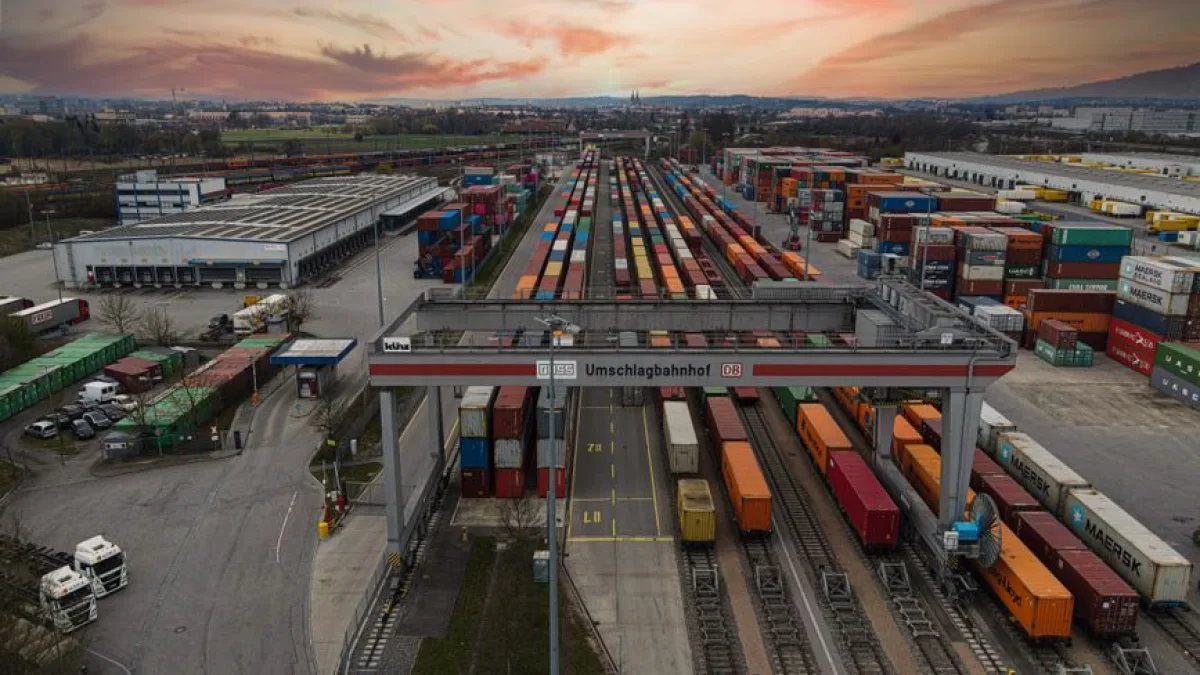
Transparency is the most requested feature from modern shippers who need to know the exact status of their high-value goods. Providing automated, real-time tracking updates builds long-term trust and differentiates your forwarding services in a market saturated with generic logistics providers.
- Proactive Status Alerts: Automatically notify clients via email or text messages regarding shipment milestones, reducing the volume of inbound status inquiries and enhancing the overall customer experience provided.
- Integrated Tracking Portals: Give your customers secure, 24/7 access to their own branded shipment dashboards where they can view locations, customs status, and estimated arrival times in real time.
- Exception Management Alerts: Receive instant notifications when a shipment hits a delay or customs hold, enabling your operations team to intervene immediately and find alternative solutions for clients.
- Comprehensive Milestone Visibility: Track every stage of the journey from warehouse pickup to final airport delivery, ensuring full accountability throughout the complex international air freight transit process for clients.
Real-time visibility turns a standard commodity service into a premium experience for your clients. By removing the guesswork from global shipping, you position your firm as a reliable and transparent partner. This proactive communication strategy reduces the workload on your customer service department while simultaneously increasing client satisfaction and retention rates, which are essential for long-term growth and success within the freight industry.
Optimizing Costs and Profitability

Controlling costs while maintaining high-quality service is the hallmark of a successful freight forwarding company. Financial transparency in your air freight operations allows for accurate costing, preventing profit leakage caused by hidden fees, incorrect invoice reconciliation, or missed charge opportunities in your workflow.
- Automated Invoice Reconciliation: Compare carrier invoices against your initial bookings automatically to identify discrepancies, ensuring you never overpay for services or fail to charge clients for extra handling.
- Detailed Margin Analytics: Review profitability per shipment, lane, or customer segment to understand exactly where your business makes money and where operational inefficiencies are eating into your bottom line.
- Cost Comparison Tools: Calculate total landed costs including air freight, local charges, and terminal fees quickly, allowing your sales team to provide accurate and competitive quotes to potential customers.
- Streamlined Billing Cycles: Reduce the time between cargo delivery and final client invoicing, significantly improving your company cash flow and reducing the administrative burden on your accounting staff daily.
Financial clarity provides the foundation for making smarter business decisions that grow your bottom line. When your team clearly understands the cost drivers of every air freight movement, they can negotiate better rates and price services more effectively. By eliminating manual financial errors, you ensure that every shipment contributes positively to your overall business growth, setting the stage for sustainable long-term success.
Conclusion
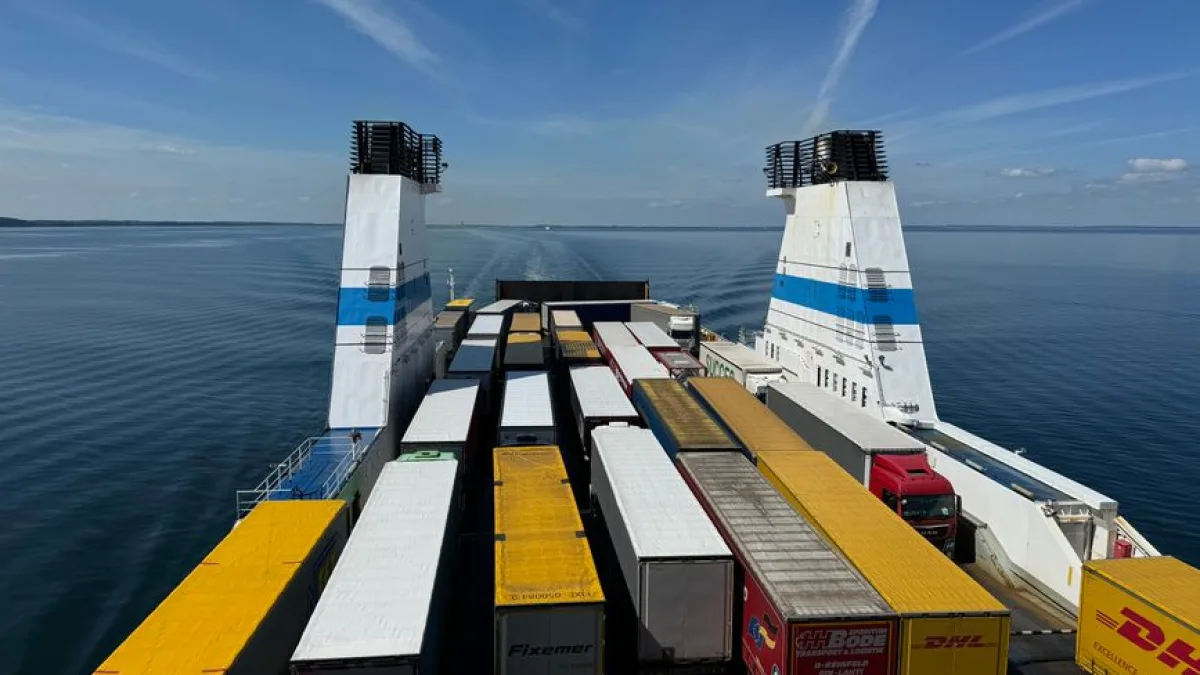
Integrating digital tools into your air freight strategy allows your forwarding business to scale while maintaining high service standards. By focusing on documentation accuracy, carrier management, real-time visibility, and financial control, you can navigate the complexities of global logistics with confidence. Start optimizing your operations with MakeCargo today to ensure your team is equipped to meet the future demands of the air freight industry.