Optimizing Air Freight Operations for Freight Forwarders
Saturday, September 5 2026
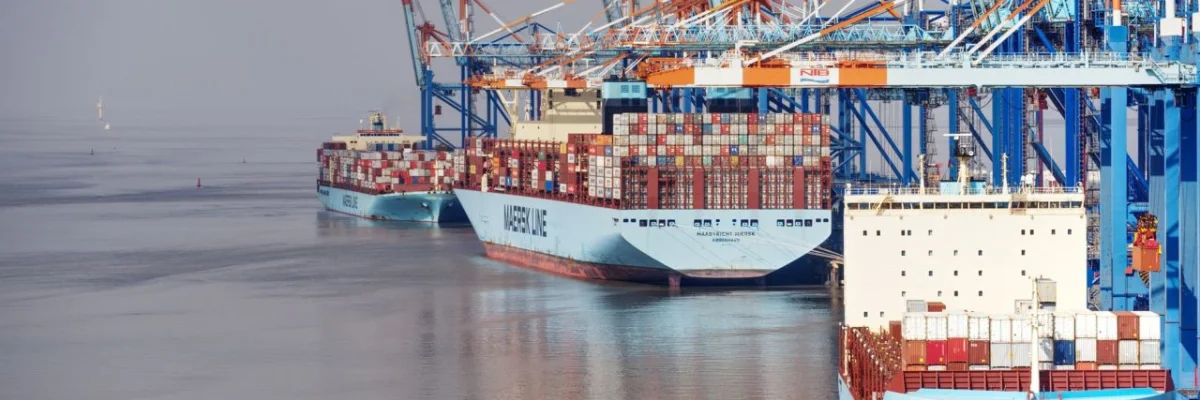
Global supply chains rely heavily on the speed and precision of air freight to maintain operational fluidity in an increasingly volatile market. For freight forwarders, managing these complex logistics requires more than just capacity planning; it demands a shift toward digital transformation to maintain margins and service quality. As businesses demand real-time visibility and faster turnaround times, the integration of cloud-based software becomes a necessity rather than an optional upgrade. By leveraging advanced automation, forwarders can eliminate manual bottlenecks, improve booking accuracy, and ultimately deliver a superior experience to their clients while scaling their operations in a competitive environment.
Digital Booking Automation

Digital transformation starts with automating the booking process to eliminate human error and accelerate response times. By moving away from manual data entry, freight forwarders can provide instant quotes and secure capacity in seconds rather than hours, improving overall client satisfaction.
- Automated quote generation: Software solutions allow your team to generate accurate quotes instantly by pulling live rates from carrier APIs, reducing the time spent on manual price comparisons every day.
- Real-time capacity tracking: Accessing real-time availability helps your team secure space on optimal flights without constant back and forth communication with airline partners during high volume peak periods.
- Seamless data integration: Integrating your platform with carrier systems ensures that booking details flow directly into your operational workflow, minimizing errors and maintaining high levels of data integrity.
- Faster booking confirmation: Automated notifications keep your customers informed the moment a flight is confirmed, which enhances trust and reinforces your reputation as a reliable and responsive partner.
Transitioning to automated systems reduces the operational overhead associated with standard air freight bookings. By streamlining these repetitive tasks, your staff can focus on managing exceptions and building stronger client relationships. This shift not only increases your daily throughput capacity but also provides the data insights needed to make smarter, profit-driven decisions as you manage larger volumes of global air freight cargo.
Advanced Shipment Tracking

Visibility remains the most requested feature by shippers who need to track sensitive cargo in real-time. Modern software solutions offer end-to-end tracking capabilities that keep all stakeholders informed throughout every leg of the international air transport journey.
- Live GPS updates: Integrating satellite tracking into your dashboard provides precise location data for every shipment, ensuring you can proactively communicate with your clients about their cargo status.
- Proactive status alerts: Automated notification systems can trigger immediate alerts to your team whenever there is a flight delay, allowing you to manage client expectations before complaints arise.
- Milestone tracking dashboards: Visual tracking interfaces simplify complex transit stages, helping your team identify potential bottlenecks at hubs before they escalate into major disruptions for your global shippers.
- Custom client portals: Giving your customers direct access to a branded portal reduces incoming status requests and positions your firm as a transparent leader in logistics technology.
Comprehensive tracking systems convert raw data into actionable intelligence for your entire logistics team. By moving beyond simple updates, you gain the ability to preemptively address transit issues and minimize the impact of external delays. This focus on visibility fosters long-term customer loyalty and differentiates your services in a saturated market, proving that you value client time and operational transparency.
Optimizing Warehouse Efficiency
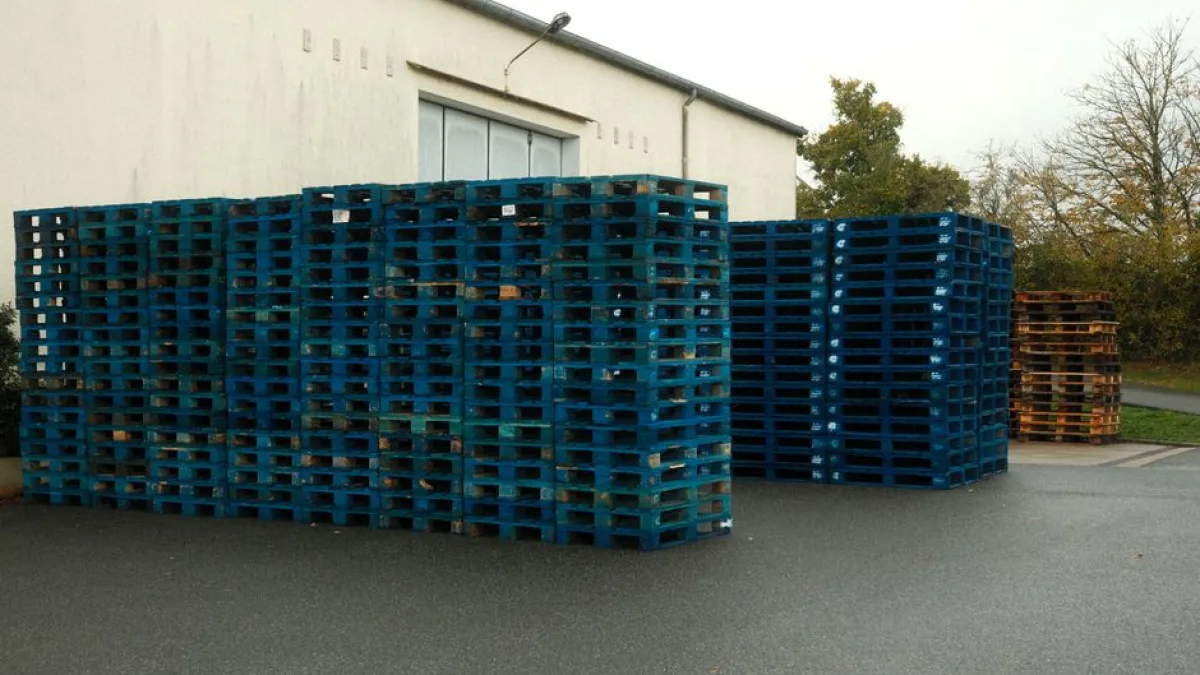
Efficient ground handling at airport warehouses is critical to ensuring your air freight moves from terminal to tarmac without unnecessary delays. Aligning your warehouse software with your broader freight platform ensures that cargo readiness matches the flight schedule perfectly.
- Barcode scanning tools: Implementing digital scanning protocols at the point of receipt minimizes losses and speeds up inventory processing, ensuring every piece of cargo is accounted for immediately.
- Optimized pallet build: Software that calculates volume and weight dimensions automatically helps your team build pallets that maximize space utilization, which directly reduces your overall shipping costs.
- Digital paperwork management: Moving all airway bills and customs documents to a centralized cloud location eliminates physical filing time and prevents issues with lost or damaged documentation.
- Seamless terminal coordination: Syncing your internal warehouse status with airline handling systems prevents miscommunication, ensuring that cargo is staged correctly and ready for the next available flight.
Efficiently managed warehouse operations form the backbone of a successful air freight strategy. When your digital systems facilitate smooth movement from the receiving dock to the aircraft, you lower your labor costs and increase your processing capacity. Investing in these technical workflows allows your forwarders to handle spikes in volume without compromising on speed or safety during busy transit periods.
Regulatory Compliance Management

Navigating the complex landscape of international customs and security regulations is a significant challenge for air freight specialists. Centralized software simplifies this process by ensuring that all necessary documents are prepared accurately and filed in compliance with global standards.
- Customs data validation: Automated systems check your documentation for common errors before submission, which helps prevent customs holds and ensures your cargo moves through borders with minimal interruption.
- Security compliance tracking: Maintaining a digital record of all security protocols and air cargo certifications protects your business from potential legal liabilities and helps you remain audit-ready.
- Automated document templates: Standardized digital forms for common air freight requirements ensure consistency across your documentation, making it easier to meet international aviation and trade security mandates.
- Real-time tariff updates: Staying updated with fluctuating international trade tariffs is simplified when your software automatically pulls the latest regulation changes directly into your daily quoting workflows.
Automating your compliance workflow creates a secure foundation for international expansion and high volume trade. By reducing the reliance on manual paper checks, you mitigate the risk of expensive fines and significant transit delays. This structured approach to regulation allows your company to focus on scaling its logistics reach while maintaining the highest levels of accuracy and adherence to global industry standards.
Conclusion

Mastering air freight requires the right combination of technology and operational expertise to stay ahead. By integrating cloud software into your daily processes, you gain the agility needed to overcome modern logistics challenges. Focus on automation and visibility to drive efficiency and growth. Explore the MakeCargo platform today to see how our tools can transform your air freight operations for the future.