Optimizing Air Freight Operations for Modern Freight Forwarders
Monday, October 26 2026
The global logistics landscape demands unprecedented speed and reliability, making air freight an indispensable pillar for modern freight forwarding enterprises. As supply chains grow increasingly complex, the pressure to maintain visibility and efficiency while navigating fluctuating market conditions has never been higher. By leveraging cloud-based platforms and data-driven insights, forwarders can transform traditional air cargo processes into agile, competitive advantages. This article explores essential strategies for enhancing operational workflows, optimizing capacity management, and building resilience in an industry defined by its urgency. Adopting these advanced practices ensures that your firm remains at the forefront of the fast-paced global air logistics sector.
Mastering Air Cargo Capacity
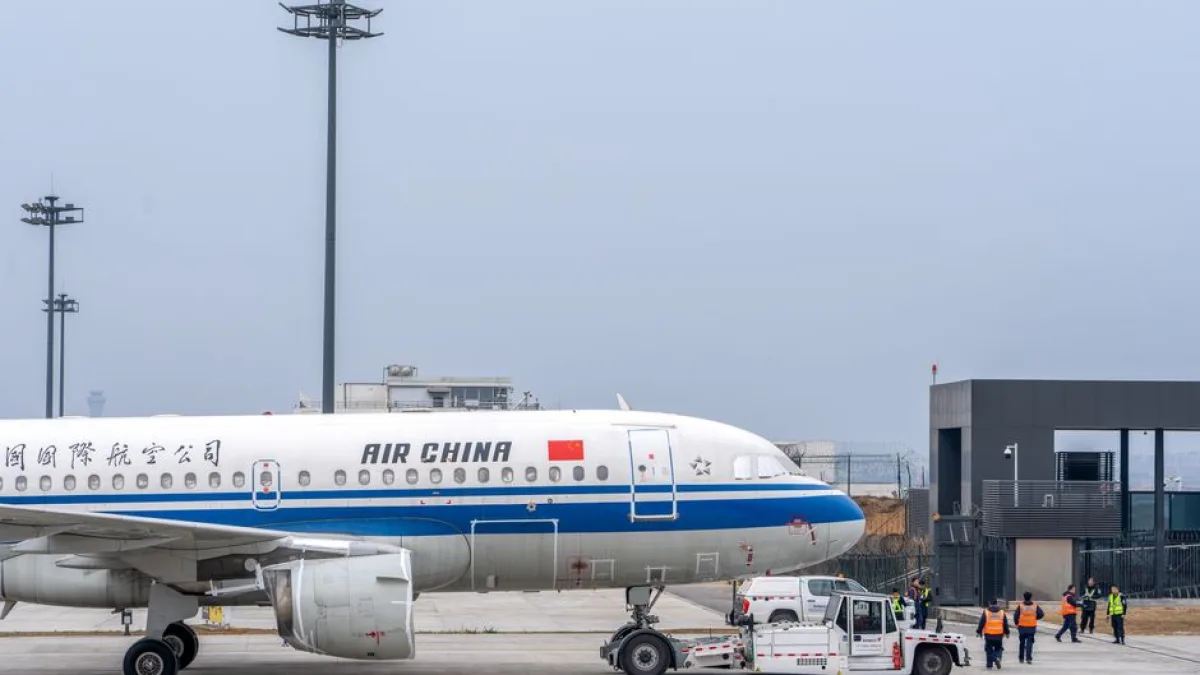
Strategic management of cargo capacity remains the backbone of successful air freight operations, requiring forwarders to balance volume with speed. When capacity is tight, those with proactive planning and automated booking systems secure the space necessary to keep customer supply chains moving.
- Automated Capacity Procurement: Digital tools allow forwarders to instantly compare airline schedules and available block space agreements, ensuring the most cost-effective routing options are selected without manual data entry delays.
- Predictive Volume Analytics: Utilizing historical data and seasonal trends helps logistics teams forecast demand spikes, allowing for better allocation of air cargo space during peak shipping seasons for clients.
- Real-time Slot Booking: Integrating booking systems with carrier APIs eliminates the need for email-based requests, significantly reducing turnaround times and preventing errors associated with manual data input processes.
- Carrier Relationship Management: Maintaining strong digital communication channels with core airline partners ensures priority status during capacity shortages, which is critical for meeting stringent client delivery deadlines in global markets.
By implementing sophisticated capacity procurement tools, forwarders can effectively transition from reactive shipping to proactive logistics management. This shift not only optimizes the utilization of available space but also builds significant trust with high-value shippers who demand consistent reliability. When forwarders master their capacity strategies, they gain a distinct market edge that translates directly into long-term customer retention and sustainable business growth throughout the year.
Enhancing Shipment Visibility

In the modern era of logistics, customers demand total transparency regarding their high-value cargo locations. Providing real-time tracking updates across air freight journeys is essential for fostering client trust and maintaining superior service standards in a crowded and competitive industry.
- Unified Data Integration: Centralizing tracking information from multiple airline carriers into one dashboard provides a seamless view of shipments, enabling immediate responses to any potential delays or transit disruptions.
- Automated Status Updates: Proactive notifications sent to customers at every milestone help reduce support inquiries, allowing your operations team to focus on high-value tasks rather than answering repetitive calls.
- Exception Management Protocols: Advanced software alerts notify staff instantly when a shipment deviates from its planned path, allowing for rapid intervention before small issues escalate into major operational service failures.
- Enhanced Client Portals: Providing self-service access to shipment documentation and live tracking status empowers your clients to monitor their air freight independently, significantly improving their overall experience and satisfaction.
Deep visibility into air freight movements serves as a powerful differentiator for forwarders aiming to secure long-term service contracts. By delivering actionable insights rather than simple status updates, your team becomes an essential partner in the supply chain. This transparency reduces stress for all stakeholders and enables smoother coordination between ground handlers, airline crews, and the final consignees throughout the air transit process.
Streamlining Documentation Workflows

Effective document management is crucial for avoiding the bottlenecks that frequently plague air freight operations. Moving away from manual processing toward digitized workflows ensures that customs compliance and airline documentation are handled with speed, precision, and complete regulatory adherence every time.
- Electronic Air Waybills: Transitioning to e-AWB documentation reduces reliance on physical paper trails, minimizing errors and speeding up the processing time between the forwarder and the airline ground handling staff.
- Automated Customs Compliance: Integrated software tools automatically check documentation against international trade regulations, ensuring that all necessary filings are accurate and submitted well before the cargo reaches the airport.
- Digital Document Storage: Secure cloud-based repositories allow for instant retrieval of bills of lading and commercial invoices, ensuring that compliance audits are handled quickly without searching through physical files.
- Standardized Data Entry: Implementing templates for common shipping documents ensures consistency across your entire team, drastically lowering the risk of discrepancies that lead to costly customs holds at terminals.
Optimizing your documentation workflow is perhaps the most effective way to eliminate friction within the air freight process. When paper-based hurdles are removed, shipments move through customs and airport handling facilities with significantly fewer delays. This operational efficiency creates a faster pipeline for your clients, ultimately allowing your forwarding firm to handle a higher volume of shipments without needing to expand your administrative staff.
Building Scalable Logistics Infrastructure

Scalability remains a primary concern for forwarders as they look to expand their service offerings in the competitive air freight market. Investing in flexible cloud-based software provides the necessary foundation for managing increased cargo volumes while maintaining a high level of operational precision.
- Flexible Cloud Architecture: Utilizing software that scales with your business needs allows you to handle seasonal peaks without performance degradation, ensuring that your core operations remain stable and fully functional.
- Customizable Reporting Tools: Generate detailed performance reports that highlight efficiency gaps in your air freight routes, enabling data-driven decisions that foster growth and streamline your firm's internal operational procedures.
- Seamless System Integration: Connecting your freight platform with accounting and warehouse management systems ensures data consistency, which reduces the manual workload and prevents costly errors in billing and invoicing.
- Training for Efficiency: Implementing modern software solutions requires a commitment to staff training, ensuring your team is fully capable of utilizing digital tools to maximize output and service speed.
A scalable infrastructure is essential for forwarders who intend to survive and thrive in the ever-changing global aviation logistics sector. By choosing technology that adapts to your needs, you prepare your firm to seize new market opportunities as they arise. This forward-thinking approach turns your software into a strategic asset that consistently drives performance, supports team productivity, and enhances your competitive market position.
Conclusion

Mastering air freight requires a combination of robust digital tools and a proactive approach to operational management. By focusing on capacity optimization, real-time visibility, document automation, and scalable infrastructure, forwarders can successfully navigate the complexities of global air logistics. These strategies not only improve your daily productivity but also strengthen your value proposition to customers, ensuring long-term profitability and sustainable growth for your logistics business.