Optimizing Air Freight Operations for Modern Freight Forwarders
Friday, October 2 2026

Air freight remains the heartbeat of global logistics for high-value and time-sensitive commodities in today's rapid market. As global supply chains face unprecedented pressure, freight forwarders must leverage advanced cloud-based technologies to maintain a competitive edge. By integrating digital platforms with traditional air logistics workflows, companies can achieve greater transparency and speed. This article explores how modern software tools empower logistics professionals to manage complex air shipments efficiently. From real-time visibility to automated documentation, mastering these digital solutions is essential for forwarders who want to thrive in an increasingly automated and data-driven global trade environment.
Digital Documentation Efficiency

Managing complex air waybills and customs paperwork requires extreme precision and speed in the digital age. Modern platforms allow forwarders to digitize document workflows, reducing errors and ensuring rapid communication between airlines, ground handlers, and final consignees for seamless transit.
- Paperless Workflow Integration: Digital platforms replace cumbersome physical files with cloud-based records, allowing teams to collaborate on air waybills and customs documentation simultaneously from any location in the world.
- Automated Data Validation: Intelligent software systems automatically check data inputs against global aviation standards, catching common manual entry mistakes before they lead to expensive transit delays or customs rejection.
- Instant Status Updates: Integration with airline carrier systems provides real-time notifications to your logistics team, enabling proactive management of shipment milestones and immediate alerts regarding potential airport bottlenecks.
- Customs Compliance Automation: Advanced algorithms ensure that all regulatory documentation meets specific international aviation criteria, which accelerates clearance processes and minimizes risk during peak shipping season congestion.
Adopting digital documentation workflows transforms how your team handles high volumes of air freight. By removing manual data entry tasks, forwarders gain significant time to focus on strategic client relationship management. This shift not only improves operational accuracy but also drives down overhead costs associated with paper storage and printing. Your company can now provide faster service while maintaining the rigorous standards expected by global shippers.
Predictive Capacity Management
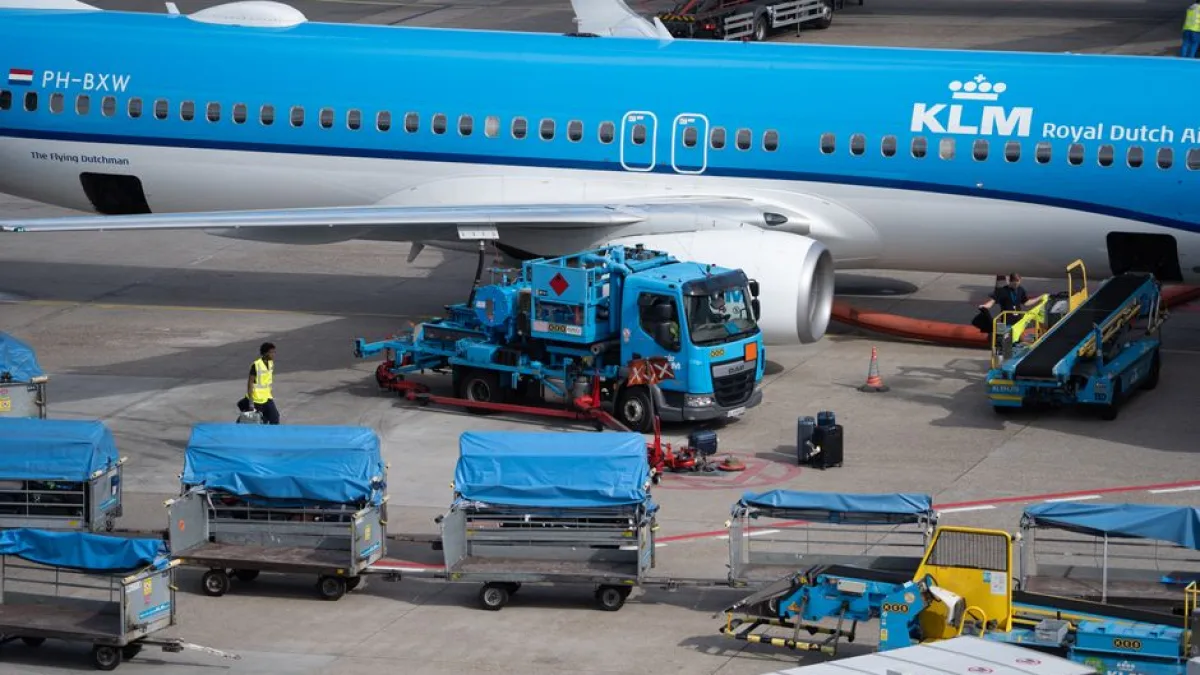
Accurate demand forecasting and capacity procurement are critical for maintaining margins in the volatile air freight market. Forwarders now use cloud-based tools to analyze historical trends and live booking data, enabling smarter purchasing decisions during peak demand cycles.
- Historical Trend Analysis: Advanced data tools evaluate previous shipping volumes and seasonal patterns, helping forwarders predict capacity requirements well in advance to avoid costly spot rate market spikes.
- Real-time Capacity Booking: Cloud platforms offer direct access to carrier availability, allowing agents to secure space on flights instantly rather than waiting for slow, manual email confirmation cycles.
- Dynamic Rate Calculations: Sophisticated calculators incorporate fuel surcharges and airport fees instantly, ensuring that customer quotes reflect the current market reality while protecting your overall service profitability.
- Network Load Balancing: Distribution software tracks which routes are overutilized and which offer better value, allowing forwarders to shift cargo volume dynamically to maximize cost-efficiency and performance.
Mastering predictive capacity management gives freight forwarders a distinct advantage when negotiating with major airlines. By utilizing granular data rather than guesswork, you can secure better space allocations and more competitive pricing for your clients. This data-driven approach removes the anxiety of seasonal fluctuations, ensuring your business remains profitable and resilient regardless of market volatility. Robust planning is the hallmark of modern, successful logistics firms.
Optimizing Last Mile Connectivity

The movement of cargo between airports and final delivery points is often the most complex phase of air freight. Optimizing this ground leg requires tight coordination and smart routing tools to ensure rapid, efficient door-to-door transit services.
- Smart Route Planning: Automated routing software calculates the most efficient paths from airports to warehouses, considering traffic patterns and road restrictions to guarantee on-time delivery for clients.
- Fleet Management Integration: Modern logistics platforms connect with ground trucking providers, offering visibility into vehicle locations so forwarders can manage pick-up times with total precision and control.
- Automated Milestone Tracking: Real-time status updates are sent to stakeholders automatically once cargo leaves the airport facility, maintaining transparency and confidence throughout the entire final delivery stage.
- Vendor Performance Metrics: Data analytics allow forwarders to track the punctuality of their ground transport partners, ensuring that only the most reliable contractors are used for deliveries.
Effective last mile management is essential for closing the loop on air shipments successfully. When you align airport operations with ground logistics, you eliminate communication gaps that cause delays. This level of synchronization delights customers who rely on your firm for speed. By leveraging cloud tools to oversee this final connection, you position your business as a comprehensive, end-to-end logistics partner for shippers.
Enhancing Customer Transparency

In the modern logistics landscape, customer expectations for real-time visibility are higher than ever before. Providing clients with direct access to their shipment journey builds long-term trust and differentiates your firm from less agile traditional freight forwarders.
- Client Portal Access: Secure, web-based portals allow your shippers to view live tracking information, download documents, and check historical invoices whenever they need without contacting your team.
- Proactive Issue Notification: Automated systems trigger instant alerts if a shipment faces a delay, allowing your team to communicate solutions before the customer notices an actual problem.
- Interactive Shipment Dashboards: Visually intuitive dashboards give clients a clear overview of all active air freight, helping them plan their own production schedules and inventory levels accordingly.
- Customized Reporting Tools: Clients can generate their own performance reports through your platform, reducing your administrative workload while giving them the analytics they need for supply chain optimization.
Empowering your clients with transparency transforms your business relationship into a true strategic partnership. When customers can see exactly where their freight is located, their dependence on manual status update requests disappears. This shift saves your team hours of administrative work each week. By providing superior digital experiences, you create lasting value that encourages client retention and positions you as a technology leader.
Conclusion

Mastering air freight logistics in today's cloud-enabled environment is no longer just an option but a requirement for growth. By focusing on documentation efficiency, predictive capacity, seamless last mile connectivity, and client transparency, forwarders can significantly enhance their operational performance. Start integrating these advanced digital tools into your daily workflow now to scale your business, reduce overhead, and deliver exceptional service to global clients.