Optimizing Air Freight Operations for Freight Forwarders
Tuesday, August 18 2026

The global air freight industry stands at a critical juncture where speed and precision define competitive advantage for logistics providers. Freight forwarders must navigate increasing volatility in demand, complex regulatory landscapes, and the urgent need for digital transformation. By leveraging cloud-based platforms, professionals can integrate disparate data streams into a cohesive workflow that minimizes delays and enhances transparency for end customers. Mastering these complexities requires a strategic focus on automation and real-time visibility. Embracing advanced technology not only optimizes operational margins but also builds the operational resilience necessary to thrive in a fast-paced market where every minute counts.
Modernizing Air Cargo Management

Digital transformation serves as the backbone of modern freight forwarding, enabling teams to replace manual processes with automated solutions. This shift reduces human error and accelerates the booking cycle, ensuring that cargo moves through the supply chain with maximum efficiency and clarity.
- Automated Booking Systems: Implementing digital booking portals allows forwarders to secure space instantly while reducing reliance on manual emails, thereby streamlining the entire procurement process for complex air freight logistics.
- Real-time Tracking Updates: Advanced cloud platforms provide live visibility into cargo status, ensuring that stakeholders receive automated notifications that keep them informed during every single phase of transport.
- Document Digitization Tools: Centralizing air waybills and customs documentation within a secure cloud environment eliminates paper clutter and significantly speeds up the clearance process for international trade.
- Predictive Capacity Planning: Data analytics tools help forwarders forecast space requirements months in advance, allowing for better strategic negotiations with airlines while avoiding last-minute price spikes in the spot market.
Adopting these digital tools transforms the way forwarders manage their daily responsibilities. By reducing administrative friction, teams can focus their energy on high-level strategy rather than chasing paper trails or managing spreadsheets. This transition fosters a more responsive service model that meets the high expectations of modern global shippers who require absolute reliability from their logistics partners at all times.
Managing Air Freight Regulatory Compliance

Navigating global security regulations and customs compliance remains a top priority for air freight operations. Forwarders must ensure that every shipment adheres to strict international aviation standards to avoid costly penalties, inspections, or significant delays at high-traffic security checkpoints.
- Automated Security Screening: Software solutions integrate directly with security databases to ensure that all cargo information is validated against current international safety mandates before the goods reach the terminal.
- Regulatory Data Accuracy: Maintaining high data integrity ensures that customs authorities process declarations rapidly, preventing bottlenecks that often arise from incomplete documentation or incorrect tariff classification of goods.
- Customs Integration Modules: Direct connections to customs authorities allow forwarders to submit digital filings seamlessly, which significantly shortens the duration of cargo holding periods at major international airports.
- Compliance Audit Trails: Digital logs provide a comprehensive history of every shipment, offering peace of mind to clients while simplifying the complex reporting process required by national transport regulators.
Strict compliance management safeguards the reputation of freight forwarders in a competitive market. By automating documentation checks and data validation, companies mitigate the risks associated with non-compliance and avoid unexpected delays. This proactive approach ensures a smoother transit experience for clients, reinforcing trust and professionalism while maintaining the flow of goods through critical nodes in the global aviation network.
Optimizing Air Cargo Capacity Planning
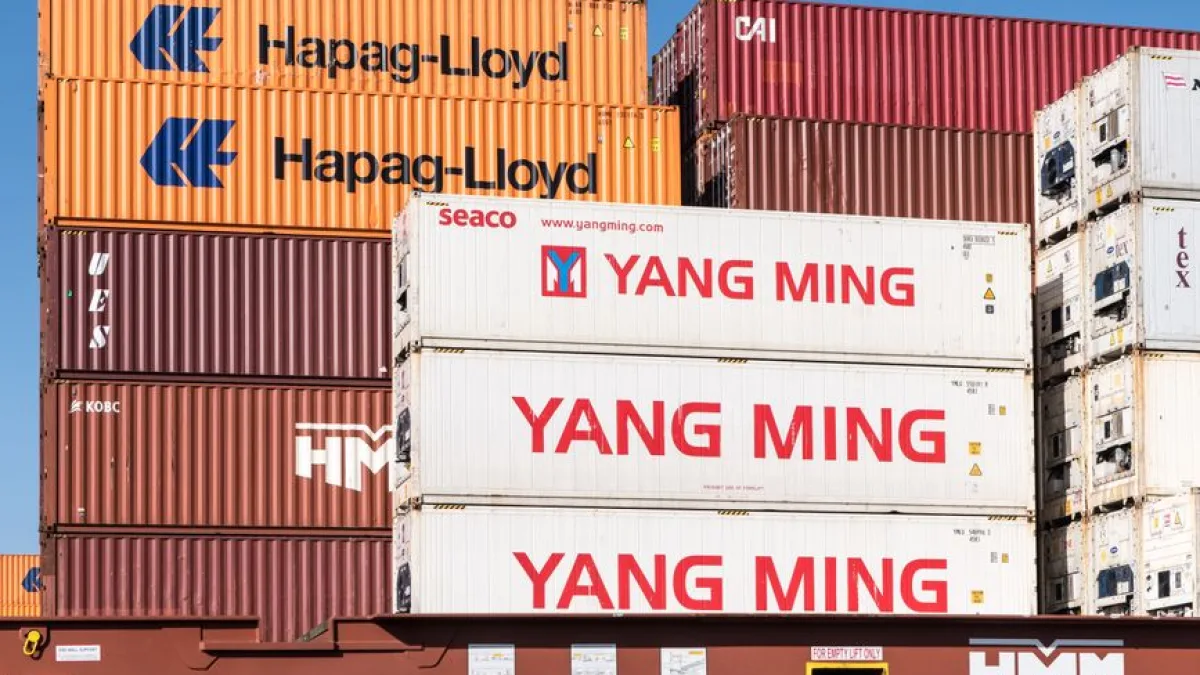
Strategic capacity planning is essential for forwarders aiming to balance cost with service level requirements. By accurately predicting volume and securing block space agreements, companies can maintain consistent operations even when market demand fluctuates during peak shipping seasons or global economic shifts.
- Block Space Agreements: Negotiating long-term space contracts with carriers provides price stability, ensuring that forwarders maintain consistent availability for their primary clients even during periods of extreme capacity shortages.
- Demand Forecasting Tools: Utilizing historical data analysis allows operations managers to anticipate seasonal trends, enabling them to align their resource allocation with projected shipping volumes throughout the year.
- Consolidation Strategy Planning: Effective cargo grouping techniques optimize pallet utilization, which reduces the overall cost of shipping while maximizing the value delivered to clients who require expedited air transport.
- Spot Market Monitoring: Real-time insights into market pricing allow forwarders to make informed decisions about whether to use contracted space or look for opportunistic deals on the spot market.
Effective planning dictates the financial success of freight forwarding organizations. By leveraging data-driven insights to manage capacity, professionals can minimize waste and maximize throughput for every flight. This strategic oversight allows for better cost control and service consistency, ultimately helping forwarders provide superior value to their customers while sustaining healthy profit margins despite the inherent volatility of air freight.
Enhancing Customer Communication Strategies

Effective communication is the cornerstone of client retention in the logistics industry. Providing customers with accurate, timely updates regarding their shipments builds long-term loyalty and reduces the frustration often caused by the inherent unpredictability of international air freight transit cycles today.
- Client Portals Access: Giving customers direct access to a self-service portal allows them to monitor their shipments independently, which significantly reduces the volume of inquiry emails reaching your team.
- Automated Status Alerts: Sending personalized emails or SMS updates at key milestones keeps the customer informed, demonstrating a commitment to transparency throughout the entire international air freight process.
- Exception Management Protocols: Proactive communication regarding delays allows forwarders to manage client expectations effectively, turning potential frustrations into opportunities to provide helpful, solution-oriented customer support and professional guidance.
- Performance Reporting Dashboards: Sharing analytical reports with customers helps them understand their supply chain performance, fostering a partnership approach that leads to long-term collaboration and increased business volumes.
Strong communication habits define the standard of service provided by modern freight forwarders. By using technology to deliver consistent updates and transparent reporting, companies can distinguish themselves from competitors. This investment in client experience not only streamlines daily operational tasks but also builds deep-seated trust, which is the ultimate key to achieving sustained growth in the competitive logistics landscape.
Conclusion
Advancing air freight operations requires a balance of innovative technology and strategic foresight. By focusing on digitalization, regulatory compliance, capacity management, and client communication, forwarders can elevate their service levels while driving operational efficiency. Implementing these best practices will prepare your business for future challenges. Start optimizing your air freight processes today to maintain a robust and scalable logistics operation in this industry.