Optimizing Air Freight Operations in a Digital Era
Wednesday, July 29 2026
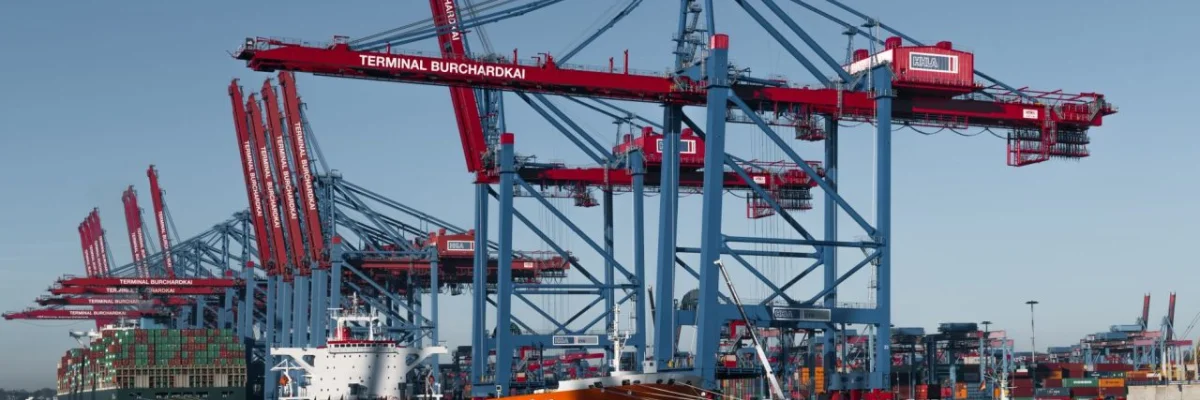
Modern freight forwarding requires precision and speed to maintain a competitive advantage in the global market. As logistics chains become increasingly complex, air freight stands out as the fastest mode of transportation, demanding rigorous coordination between airlines, ground handlers, and agents. Leveraging cloud-based technology allows logistics providers to manage these high-stakes shipments with greater visibility and efficiency. By embracing digital tools, forwarders can reduce administrative burdens, minimize manual errors, and provide real-time updates that keep customers satisfied. As we navigate the complexities of international trade, shifting toward automated workflows ensures that your air freight business remains agile, scalable, and prepared for future growth.
Streamlining Booking Processes
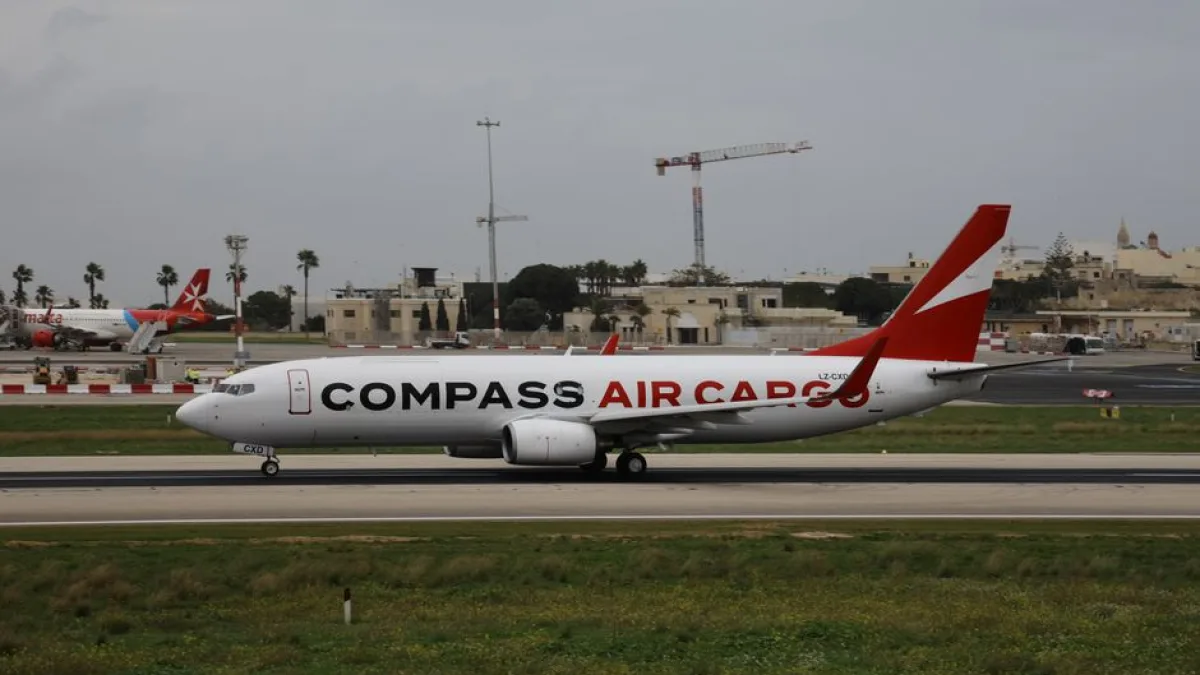
Digital platforms transform how forwarders interact with airline capacities, replacing outdated manual methods with intuitive interfaces. By centralizing booking data, logistics teams can compare rates instantly and secure space without lengthy email chains, drastically reducing the time spent on coordination.
- Automated rate retrieval: Integrated software solutions pull live pricing directly from carriers to ensure forwarders receive the most accurate quotes instantly without performing manual database searches or waiting for email confirmations.
- Real time scheduling: Logistics coordinators gain immediate access to updated flight schedules to match urgent cargo requirements with the most suitable aircraft capacity, ensuring reliable delivery timelines for clients.
- Instant booking confirmation: Once a shipment is selected, the system triggers an automated confirmation request to the airline, removing the friction of manual data entry and preventing potential communication gaps.
- Dynamic capacity management: Forwarders can effectively manage space allocations across multiple airline partners, optimizing their load factors while maintaining the flexibility needed to handle sudden changes in global supply chains.
Transitioning to an automated booking model is no longer a luxury but a fundamental necessity for staying relevant. When your team spends less time processing manual paperwork, they can focus on high-value tasks such as customer relationship management and problem solving. Embracing this shift leads to significant time savings and creates a more robust foundation for scaling your air freight business operations effectively.
Enhancing Shipment Visibility

Advanced tracking technology provides comprehensive oversight of every pallet moving through the supply chain. Through constant connectivity, forwarders receive live status updates from takeoff to final delivery, ensuring that stakeholders stay informed about the location and condition of their goods.
- Live milestone tracking: Every critical stage of the air freight journey is recorded in the platform, providing stakeholders with accurate updates that prevent uncertainty and build stronger trust with clients.
- Digital documentation access: All essential shipping documents are uploaded and stored in the cloud, allowing authorized personnel to retrieve vital files from any location to resolve customs inquiries quickly.
- Exception alert systems: Automated notifications warn operational staff when a shipment deviates from its planned path, allowing for proactive adjustments before a minor issue becomes a major service failure.
- Predictive arrival forecasting: Machine learning algorithms analyze historical flight data to provide more precise delivery estimates, helping warehouses prepare their staff and loading bays for incoming cargo arrivals accordingly.
Superior visibility is the cornerstone of exceptional customer service in the freight forwarding industry. When clients have access to precise, up to the minute data, they feel empowered and reassured regarding their supply chain reliability. By providing transparent updates, you position your firm as a modern, technology forward partner that takes full accountability for the safe and timely arrival of every shipment.
Optimizing Compliance and Customs

Navigating the labyrinth of international customs regulations requires meticulous attention to detail and a proactive approach. Digital software ensures that every declaration is filed accurately, minimizing the risk of costly penalties or border delays that could halt time sensitive air shipments.
- Electronic document submission: Standardized digital forms eliminate common errors associated with handwritten paperwork, ensuring that authorities receive clean and complete data files for every international transit project processed by your team.
- Customs rule integration: The platform automatically checks documentation against current regional trade requirements and import regulations, flagging potential missing information before a shipment even reaches the warehouse for loading purposes.
- Digital signature authentication: Secure electronic signatures simplify the verification process, allowing partners and agents to authorize documents remotely without needing physical copies or courier services to move paperwork across borders.
- Audit trail history: Every change to a customs document is logged within the system, providing a secure history that simplifies regulatory reporting and helps your business pass compliance checks easily.
Robust customs integration acts as a safeguard against the complexities of global trade. By centralizing your compliance efforts within a specialized software environment, you reduce the risk of human error while speeding up the release of goods. This systematic approach not only protects your bottom line from unexpected fines but also demonstrates your operational excellence to both existing clients and prospective business partners.
Maximizing Operational Efficiency

Efficiency in air freight is not just about speed; it is about how effectively you manage your resources. Cloud software optimizes your internal processes, allowing your team to handle larger shipment volumes without requiring a massive expansion in headcount or administrative overhead.
- Smart resource planning: Analytical tools help managers distribute workloads evenly across teams, preventing burnout while ensuring that the most urgent air freight tasks receive immediate attention during busy operational hours.
- Automated invoicing cycles: Financial operations are streamlined as the system generates invoices automatically based on shipment milestones, significantly reducing the gap between service delivery and getting paid for work.
- Performance analytics dashboard: Managers can track key performance indicators through a visual dashboard, allowing them to identify bottlenecks and make data driven decisions that improve long term company profitability.
- Seamless partner collaboration: Unified portals allow agents and ground handlers to communicate within the same software environment, ensuring that everyone remains on the same page regarding specific cargo handling instructions.
Operational efficiency defines the long term success of your freight business in a crowded market. By refining internal workflows with smart automation, you create a sustainable model that can handle growth while maintaining high service standards. When your infrastructure is solid, you are free to focus on strategic growth rather than getting stuck in the weeds of daily operational troubleshooting.
Conclusion

Optimizing your air freight operations relies on integrating digital solutions that provide clarity, speed, and compliance. By streamlining bookings, enhancing visibility, and automating customs, your business gains the agility needed to lead in a competitive logistics landscape. Start your journey toward digital transformation today by auditing your current workflows and selecting a platform that truly supports your unique operational goals and growth aspirations.