Optimizing Air Freight Operations in the Digital Era
Wednesday, July 22 2026

The global air freight sector remains the fastest method for transporting high-value goods across international borders. As supply chain demands intensify, freight forwarders are facing pressure to improve speed and transparency while minimizing operational bottlenecks. Utilizing cloud-based technology has transitioned from a luxury to a fundamental requirement for staying competitive in today's fast-paced aviation logistics landscape. By integrating automated workflows and real-time tracking, firms can overcome traditional delays and human errors that often plague manual processes. This shift towards digitalization allows logistics professionals to provide superior service levels while managing complex documentation and compliance requirements with unprecedented precision and operational efficiency.
Modernizing Air Cargo Management
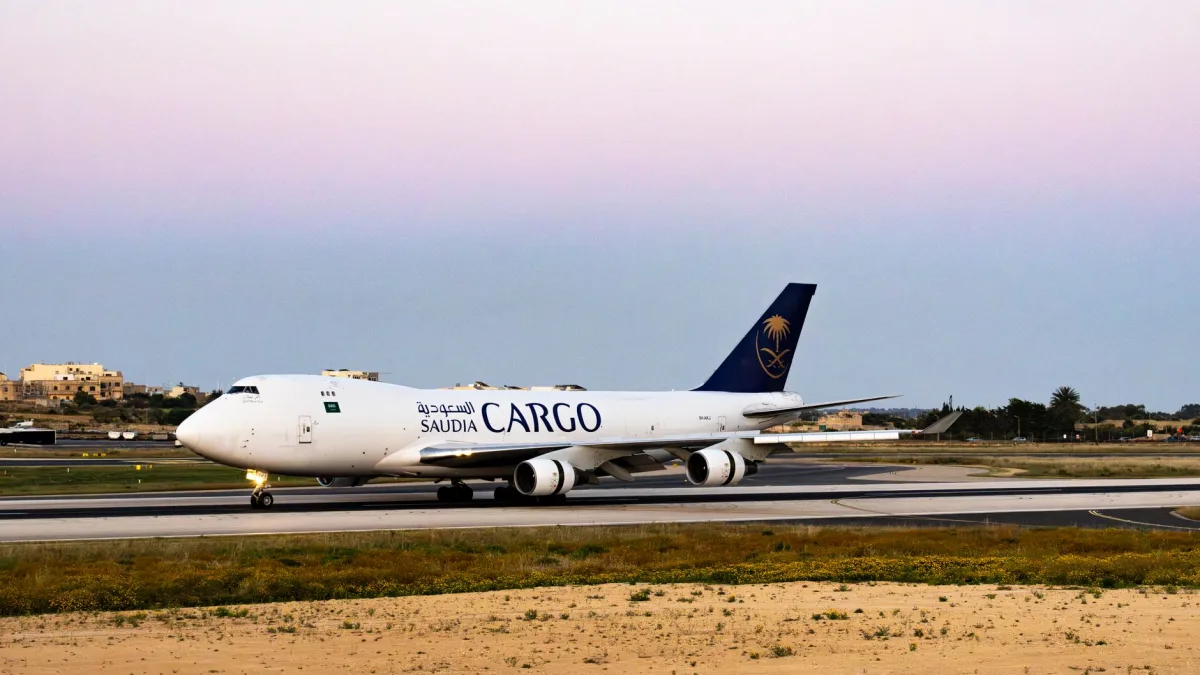
Digital platforms act as the backbone for modern air freight agencies seeking to streamline booking processes. By consolidating data from various airlines into a single dashboard, staff can focus on high-value decision making instead of repetitive administrative data entry tasks.
- Centralized Booking Portals: Cloud software allows forwarders to compare rates across multiple airlines instantly to ensure clients receive the most cost-effective routing options for every specific international shipment request.
- Automated Documentation Tools: Standardized digital templates help generate essential shipping documents like airway bills and commercial invoices quickly to reduce the risk of clerical errors during customs processing.
- Real-Time Data Integration: Connecting directly with carrier systems provides live updates on flight status and space availability, which ensures that your team always has the most accurate information.
- Streamlined Communication Hubs: Internal messaging features within your logistics platform keep sales teams and warehouse operators aligned, preventing delays caused by fragmented email chains or lost communication threads.
Adopting centralized digital tools allows your team to move away from legacy software that hinders growth. When your information is stored in a secure cloud environment, your team can access vital shipment updates from any location globally. This mobility empowers your staff to respond quickly to sudden changes in flight schedules or urgent client requests, ultimately building stronger, more reliable relationships with your international partners.
Enhancing Shipment Visibility

Providing customers with clear visibility is essential for maintaining trust in air logistics. Modern tracking features allow freight forwarders to provide precise status updates that keep stakeholders informed at every stage of the rapid transit process from arrival to delivery.
- Advanced Tracking Systems: Automated notifications provide clients with proactive alerts regarding shipment milestones, which significantly reduces the time your support team spends answering repetitive manual status inquiries from customers.
- Interactive Client Portals: Dedicated login pages allow shippers to view their own freight status and download necessary documents without requiring direct assistance from your busy operations department staff.
- Customizable Reporting Features: Data analytics tools enable your management team to track performance metrics, identify recurring bottlenecks, and generate comprehensive reports that showcase your operational excellence to stakeholders.
- Proactive Issue Alerts: Intelligent monitoring systems detect potential delays during the transit process and notify your team instantly, allowing you to resolve problems before they escalate into major issues.
Transparency is no longer a perk but a standard industry requirement. By offering clear tracking data, you effectively reduce customer anxiety and lower the administrative workload on your support staff. This transition to proactive communication demonstrates professionalism and expertise, setting your freight forwarding company apart from competitors who still rely on manual email updates that lack the precision clients expect today.
Streamlining Customs Compliance

Navigating the complex world of air freight customs compliance is a critical task for forwarders. Digital solutions help automate the submission of data to government agencies, which ensures that shipments move through borders without unnecessary hold-ups or fines.
- Automated Customs Filings: Integrated compliance modules automatically validate shipment data against international regulations, which ensures that all electronic submissions meet local authority requirements before the flight even departs.
- Digital Document Storage: Secure cloud repositories house your essential permits and certificates, making them instantly retrievable for auditors or customs officers who require immediate proof of compliance.
- Regulation Update Alerts: Automated systems track changes in global aviation and customs laws, notifying your compliance officers about new requirements that might affect your current shipping procedures or documentation.
- Error Detection Software: Advanced validation checks highlight missing information in your declarations before they are sent, preventing costly rejections that could delay your high-priority air cargo shipments.
Minimizing customs delays requires a proactive approach toward compliance and data accuracy. When you leverage specialized technology, you eliminate the guesswork often associated with complex international regulations. This level of diligence protects your company from unexpected fines and builds long-term trust with customs authorities. Ultimately, a smooth clearance process ensures that your clients receive their urgent air freight shipments on time.
Scalable Infrastructure Growth

Building a scalable foundation for your freight business is necessary to handle increased volume. Cloud platforms grow alongside your company, allowing you to add new users, branches, or services without needing to invest in expensive on-premise hardware infrastructure.
- Flexible User Access: Cloud systems enable you to add team members across different global time zones, ensuring your operations remain active throughout the entire day for better coverage.
- Seamless Software Updates: Platform enhancements are delivered automatically over the internet, ensuring that your team is always using the most current features and security protocols available today.
- Enhanced Data Security: Enterprise grade encryption protects your sensitive shipment information from cyber threats, ensuring that client data remains safe throughout every step of the international shipping process.
- Cost Effective Scaling: Subscription models allow you to adjust your service capacity based on your current volume needs, which provides significant financial flexibility compared to rigid systems.
Investing in scalable cloud infrastructure ensures your freight forwarding company is prepared for future industry shifts. As you expand your reach into new markets, your platform stays consistent and reliable. This technological foundation allows your business to manage higher volumes with ease while maintaining high standards of service. Choosing the right software partner is a pivotal step toward achieving long-term profitability and growth.
Conclusion

Mastering air freight requires the right balance of expertise and technology. By embracing digital tools, forwarders can enhance efficiency, improve visibility, and ensure compliance for every shipment. These operational improvements lead to greater customer satisfaction and stronger business performance in a competitive global market. Start your digital transformation today to ensure your team remains a leader in the fast-paced world of air cargo logistics.