Optimizing Air Freight Operations with Modern Software
Sunday, September 27 2026

The global air freight industry is currently undergoing a massive digital transformation to keep pace with volatile supply chain demands and heightened customer expectations. Freight forwarders are shifting away from manual documentation and siloed communication methods toward integrated cloud-based platforms that provide real-time visibility. By leveraging automation and data analytics, logistics providers can navigate complex regulatory environments while ensuring the rapid movement of high-value goods. As market competition intensifies, adopting scalable technological solutions becomes essential for maintaining operational agility and long-term profitability in the fast-paced world of international air logistics management and distribution networks.
Streamlining Booking Processes
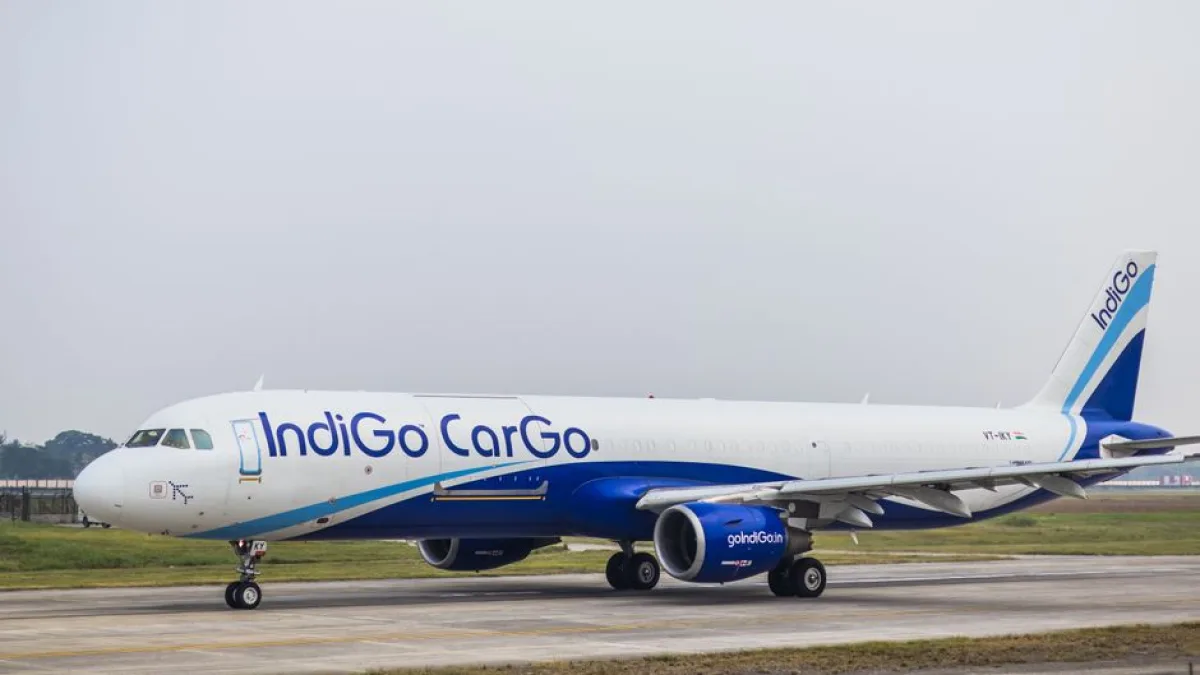
Modern digital platforms have completely revolutionized how freight forwarders handle booking requests by eliminating outdated manual data entry. These intuitive interfaces allow teams to secure capacity, compare airline rates, and confirm shipments instantly while reducing the administrative burden on operational staff.
- Instant rate comparison: Automated tools scan various carrier databases to provide the most competitive pricing options for specific routes while factoring in current market fluctuations and fuel surcharges immediately.
- Automated booking workflows: Digital integration ensures that shipment details flow directly from the customer portal to the carrier, which removes the risk of human error during manual entry.
- Carrier capacity visibility: Real-time access to available aircraft space helps forwarders make informed decisions regarding urgent shipments while avoiding potential bottlenecks during peak global shipping seasons.
- Document generation automation: Intelligent systems automatically populate essential shipping documentation such as air waybills and customs declarations based on the initial booking data entered by your clients.
By moving to a centralized digital booking system, freight forwarders significantly reduce the time spent on back-office tasks. This transition allows your staff to focus on high-value client relationships rather than chasing paperwork across multiple communication channels. Efficient booking management ensures that every shipment is processed with precision, ultimately leading to faster turnarounds and improved overall customer satisfaction ratings for your logistics business.
Real Time Shipment Tracking

Providing customers with transparent, real-time updates regarding their shipment status is no longer a luxury but a fundamental necessity. Advanced tracking features integrated into modern software allow logistics providers to offer precise location data from departure to final delivery.
- Live GPS updates: Sophisticated tracking modules utilize integrated data feeds to display the exact movement of cargo, providing stakeholders with confidence throughout the entire transit process cycle.
- Automated status notifications: Proactive alert systems automatically inform both the shipper and the consignee about milestones, such as arrival at airports or completed customs clearance processes successfully.
- Exception management alerts: Intelligent software detects potential delays caused by weather or operational issues, allowing teams to take immediate corrective action before the customer even notices issues.
- Client portal access: Dedicated web portals provide your customers with secure access to their shipment data, reducing the volume of status inquiries sent via email channels.
Transparency is the bedrock of trust in the logistics industry. When freight forwarders provide granular visibility, they empower clients to plan their inventory cycles with much higher accuracy. By minimizing the uncertainty associated with international air transit, firms can differentiate their service offerings in a crowded market. This commitment to visibility fosters long-term loyalty and enhances the reputation of your forwarding agency.
Automating Customs Documentation

Managing complex international customs requirements demands extreme accuracy to avoid costly delays or hefty regulatory fines. Automation software now handles the heavy lifting by ensuring all declarations are compliant with evolving global trade standards and regional aviation security regulations.
- Compliance data validation: Automated systems check all submitted shipment information against international trade databases to ensure full compliance before the cargo even reaches the departure terminal facility.
- Electronic data interchange: Secure digital channels facilitate the rapid submission of customs declarations to government authorities, which significantly speeds up the clearance process for time-sensitive cargo.
- Regulatory rule updates: The software constantly monitors changes in global trade policies to ensure your documentation templates remain current with the latest international aviation security mandates.
- Error reduction algorithms: Advanced validation rules flag potential discrepancies in paperwork before submission, preventing the common mistakes that lead to cargo being held at customs borders.
Automating the customs process minimizes the risk of human error that typically leads to expensive shipment delays. By integrating regulatory compliance into your daily workflow, you protect your business from legal complications while ensuring smooth cross-border movement. This proactive approach to documentation allows your team to manage higher shipment volumes without the need for additional administrative overhead or manual oversight.
Enhancing Operational Data Analytics

Data is the most valuable asset for any modern freight forwarder looking to scale their operations efficiently. Comprehensive reporting tools turn raw logistics data into actionable insights that guide strategic decision-making and improve the overall performance of your air freight business.
- Performance metric monitoring: Detailed dashboards track essential key performance indicators such as carrier performance, transit times, and total service costs across all your active shipping lanes.
- Revenue growth analysis: Predictive tools identify the most profitable routes and client segments, allowing forwarders to focus their business development efforts on the highest-margin trade opportunities.
- Resource allocation planning: Clear visual data helps managers determine how to distribute staff and warehouse resources effectively to handle fluctuating seasonal demands throughout the calendar year.
- Operational bottleneck identification: Advanced analytics highlight specific areas where processes are stalling, giving you the necessary information to optimize workflows and improve your operational efficiency metrics.
Utilizing data analytics transforms the way forwarders manage their daily operations by replacing intuition with hard evidence. When you understand exactly where your business excels and where it faces challenges, you can implement targeted improvements that boost profitability. These reports provide a foundation for long-term growth and help your team stay ahead of competitors in the rapidly evolving air logistics landscape.
Conclusion

Embracing cloud-based software solutions is the key to thriving in the modern air freight industry. By automating booking, providing real-time visibility, ensuring customs compliance, and leveraging deep analytics, your firm can achieve unprecedented operational efficiency. Start your digital transformation today to improve customer service, reduce overhead costs, and scale your logistics business with confidence. MakeCargo offers the tools necessary for future-ready logistics success.