Optimizing Air Freight Operations with Advanced Cloud Technology
Tuesday, August 18 2026

The air freight industry remains the backbone of global supply chains for time-sensitive cargo. As shippers demand faster transit times and greater transparency, freight forwarders must transition from manual processes to cloud-based solutions to remain competitive. Technology now dictates the pace of logistics, turning complex shipment tracking and documentation into streamlined workflows that benefit both partners and clients. By leveraging centralized platforms like MakeCargo, forwarders gain unprecedented visibility into their air logistics networks, reducing human error and enhancing overall service speed. Adapting to these digital requirements is no longer an optional growth strategy but a fundamental necessity for survival in modern logistics.
Mastering Flight Capacity Management
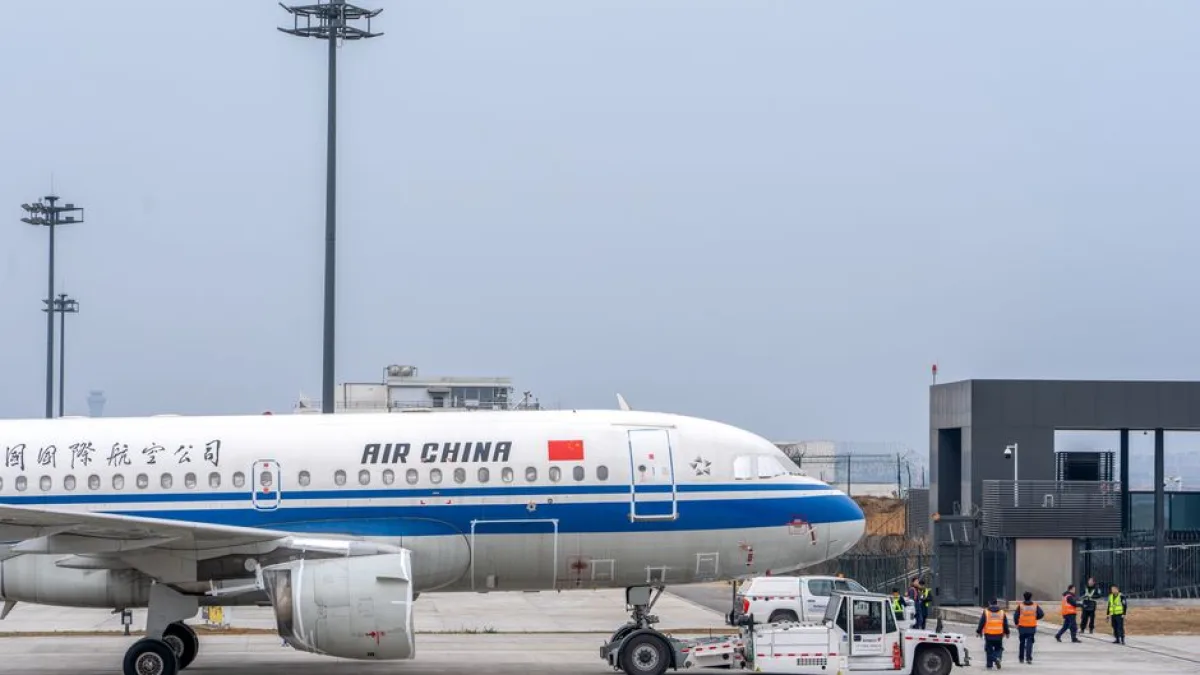
Optimizing flight capacity requires a delicate balance of space allocation and route planning. Modern cloud platforms enable freight forwarders to visualize available airline space in real time, ensuring that booking confirmations are immediate and minimizing the risk of expensive last minute re-routing errors.
- Automated space booking: Integrate your software directly with airline systems to secure block space agreements and manage capacity allocation without the burden of manual data entry or repetitive phone calls.
- Real time capacity: Gain visibility into available airline slots across multiple global hubs to ensure your shipments find the fastest and most cost effective transit routes available today.
- Dynamic routing tools: Utilize intelligent software algorithms to automatically identify the most efficient flight paths based on current weather patterns, airport congestion levels, and airline performance history metrics.
- Efficient allotment management: Track your existing capacity allotments across different carrier partnerships to ensure your company maximizes its contracted space before paying premium rates for spot market cargo.
Precision in capacity management transforms your bottom line by reducing empty space and avoiding costly cargo delays. When your team utilizes digital tools to monitor airline schedules and allocation status, they shift from reactive crisis management to proactive logistics planning. This strategic shift empowers your business to offer superior service to clients while maintaining leaner operational costs throughout the peak and off peak shipping seasons.
Digital Documentation and Compliance

Documentation processes often represent the biggest bottleneck for air cargo shipments. Moving toward paperless digital workflows significantly reduces processing time, ensuring that air waybills and customs declarations are filed accurately and swiftly to prevent any unnecessary airport storage fees.
- Automated document generation: Reduce the administrative load on your team by using templates that auto-populate shipping details directly from your client database to prevent common data entry mistakes.
- Instant customs clearance: Connect your digital platform with government customs portals to facilitate rapid electronic filing of all necessary export and import documentation for global air freight.
- Compliance tracking systems: Store and organize all regulatory certificates and safety documentation within a centralized repository to ensure you are always ready for sudden audits or inspections.
- Standardized data protocols: Use universal digital formats to ensure all stakeholders from customs agents to ground handling staff can access the correct documentation without technical compatibility barriers.
Streamlined documentation workflows are essential for maintaining the high velocity required in air logistics. By eliminating manual paperwork, you minimize the risk of human error which can otherwise lead to regulatory fines or shipment seizures. Embracing digital compliance allows your professional team to focus on high value tasks like customer relationship management and business development rather than mundane clerical data entry projects.
Real Time Tracking and Visibility

Providing customers with live updates on their cargo status builds immense trust. Advanced freight software allows you to push tracking data directly to client portals, keeping stakeholders informed about flight departures, transit milestones, and final delivery confirmations without manual status reports.
- Live tracking updates: Automate status notifications that inform your clients of key milestones like flight arrival times or customs clearance status without requiring manual follow up emails daily.
- Centralized shipment dashboard: Offer your customers a professional portal where they can view all their active air freight shipments in one location for total logistical transparency.
- Proactive delay alerts: Identify potential flight delays early through system integration and notify your clients immediately to manage expectations and adjust supply chain plans before problems escalate.
- Mobile accessibility features: Provide warehouse staff and logistics coordinators the ability to update shipment statuses on the go using integrated mobile applications connected to your cloud software.
Visibility is the modern currency in the global freight forwarding industry. When clients can access their own data through a secure portal, their overall satisfaction increases while your support staff spends less time answering routine status inquiries. Implementing these transparent systems reinforces your reputation as a reliable logistics partner, helping you retain existing business and win new contracts in a competitive global market.
Scalable Infrastructure for Growth

Growing a freight forwarding business requires a technology stack that expands with your volume. Cloud based platforms ensure that as you open new offices or expand into new air lanes, your data remains synchronized and your operational standards remain consistent globally.
- Seamless cloud integration: Deploy your operations across multiple global offices using a unified cloud infrastructure that ensures all staff members work from the same live database.
- Standardized business processes: Implement uniform operational workflows across your entire branch network to ensure high quality service delivery regardless of the specific origin or destination air port.
- API connectivity potential: Connect your internal logistics platform with external accounting, ERP, or CRM software to build a fully unified business ecosystem that eliminates data siloing issues.
- Enhanced data security: Protect your sensitive client information and shipment data with enterprise grade security features including automated backups and encrypted data storage for all company records.
A scalable technology infrastructure is the foundation of long term growth. By utilizing a platform that handles the technical heavy lifting, you allow your management team to focus on strategic expansion and partnership development. As your cargo volumes scale, the efficiency gains from your digital investment grow exponentially, ensuring your business stays agile and prepared for the evolving demands of the global air cargo industry.
Conclusion
Mastering air freight operations requires a commitment to digital transformation and process optimization. By adopting cloud based software, freight forwarders can effectively manage capacity, streamline documentation, provide real time visibility, and scale their businesses efficiently. Start optimizing your air logistics workflows today with MakeCargo and position your company for sustained success in a fast paced industry. Contact our experts to learn more about our solutions.