Optimizing Air Freight Operations with Modern Cloud Software
Saturday, August 15 2026

The global air freight industry faces unprecedented pressure as demand for speed and reliability continues to rise in a volatile market. Logistics providers must balance rapid shipment processing with stringent security regulations and complex documentation requirements. By leveraging cloud-based platforms, forwarders can gain real-time visibility into their supply chains, reducing manual errors and improving overall efficiency. This digital transformation is no longer a luxury but a necessity for staying competitive in a fast-moving economy. As we explore the core pillars of air cargo management, companies can learn how to integrate smarter technology to ensure their operations remain scalable and profitable.
Streamlining Booking Processes
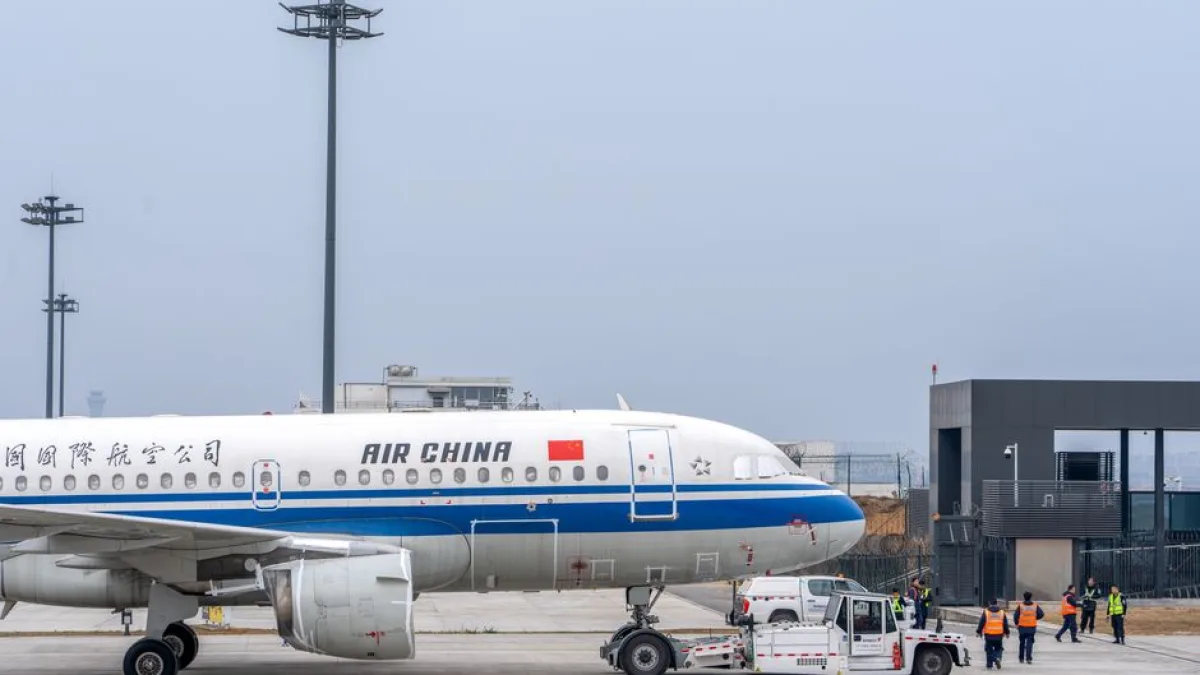
Efficient booking management forms the backbone of air freight operations. By automating the request for quote process, forwarders can respond to customer needs in seconds rather than hours, ensuring that capacity is secured before market rates fluctuate or space becomes unavailable.
- Instant rate access: Automated systems allow your team to pull carrier rates in real time to provide clients with accurate pricing that reflects current market conditions and seasonal shifts.
- Automated booking requests: Eliminate manual data entry tasks by syncing booking requests directly from your portal into the central system to reduce human error and save valuable time.
- Capacity management tools: Use intuitive dashboards to monitor available cargo space across various routes and carriers to optimize your logistics planning and maximize profit margins for every shipment.
- Electronic air waybills: Transitioning to digital documentation ensures that all necessary customs paperwork is handled securely and efficiently to minimize delays during the transit and clearance process.
Adopting digital tools allows your team to move away from tedious manual processes toward a model built on speed and transparency. When booking is seamless, clients feel more confident in your ability to manage their time-sensitive cargo. This shift not only improves internal productivity but also enhances the overall customer experience by providing consistent service that builds long-term trust and loyalty for your brand.
Mastering Regulatory Compliance

Navigating the complex landscape of international aviation regulations requires precision and foresight. Cloud software provides a centralized repository for documentation, ensuring that every shipment adheres to safety standards and local customs laws without delaying the critical departure or arrival timelines.
- Automated document compliance: Utilize software features that automatically flag missing documentation or incorrect codes to ensure that your shipments meet strict international security and transport safety regulations.
- Real-time customs integration: Direct connections to customs authorities allow for seamless data submission and status updates, reducing the time spent navigating government portals and manual filing tasks.
- Security screening updates: Stay informed about changing aviation security protocols with automated notifications that help you adjust your operational procedures to maintain constant compliance with local laws.
- Audit trail tracking: Maintain a transparent history of every action taken on a shipment file, providing essential documentation for internal audits and external regulatory reviews when needed.
Staying ahead of regulatory hurdles is vital for maintaining a smooth workflow. By keeping all legal and customs information in one centralized platform, you minimize the risk of costly delays and fines. This proactive approach to compliance ensures that your operations remain resilient against shifting government policies and international transport mandates, ultimately keeping your cargo moving efficiently across borders without any unexpected logistical interruptions.
Enhancing Shipment Visibility

Providing clients with live updates is a major differentiator in the air cargo market. Modern platforms offer granular tracking capabilities that allow you to monitor shipments from origin to destination, fostering confidence and reducing the volume of status inquiries.
- Live tracking updates: Offer your clients peace of mind by providing accurate, real-time status updates on their cargo as it moves through various flight legs and transit hubs.
- Proactive delay alerts: Detect potential disruptions such as weather events or technical issues early and notify stakeholders immediately to minimize the impact on their complex supply chains.
- Centralized data access: Ensure that all internal stakeholders have access to the same information, which prevents communication breakdowns and aligns your team on shipment priority and status.
- Customized client reports: Generate automated reports that summarize shipment performance and transit times, allowing your clients to gain deeper insights into their own logistics and supply efficiency.
Enhanced visibility turns logistical complexity into a clear and manageable process for everyone involved. When clients can see the progress of their cargo without having to call or email for updates, your staff is free to focus on higher-value tasks. This level of clarity establishes your firm as a sophisticated partner capable of handling the most demanding air transport requirements with professional ease.
Improving Operational Scalability

A scalable logistics platform adapts to your company as it grows, handling increased volume without requiring a massive expansion in administrative staff. Cloud software provides the flexibility needed to scale your operations rapidly while maintaining high service levels for all clients.
- Cloud infrastructure benefits: Access your logistics data from anywhere in the world, allowing your team to manage operations remotely and ensure business continuity regardless of physical office constraints.
- Seamless software integration: Connect your platform with accounting, CRM, and carrier systems to create a unified ecosystem that streamlines data flow and eliminates isolated silos of information.
- Flexible user management: Easily add new team members and assign specific permissions to maintain security while ensuring that everyone has the tools they need to perform effectively.
- Data driven growth: Utilize advanced analytics to identify trends in your air freight business, allowing you to make informed decisions about resource allocation and new market expansions.
Scaling a freight forwarding business requires a solid foundation that can handle rapid changes in volume and complexity. By using software designed for growth, you position your organization to capture new market opportunities while maintaining operational excellence. Focus on building an agile business model that empowers your staff, satisfies your growing client base, and drives sustainable profitability in the competitive air freight sector.
Conclusion

Investing in the right cloud-based technology is the most effective way to modernize your air freight operations. By embracing automation, compliance tools, and superior visibility, your business can overcome the challenges of a fast-paced market. Start optimizing your workflows today to see improved margins and stronger client relationships. A smarter approach to cargo management is the key to achieving long-term success in logistics.