Optimizing Air Freight Operations with Advanced Cloud Technology
Wednesday, August 19 2026
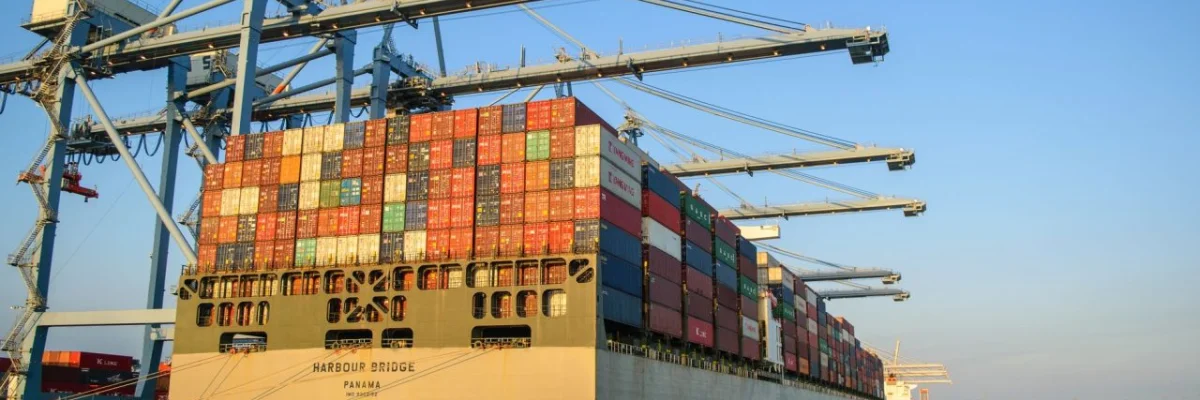
Air freight remains the heartbeat of global logistics, demanding unparalleled speed and precision in an increasingly volatile market environment. As freight forwarders face pressure to reduce carbon footprints while maintaining rapid delivery timelines, the integration of cloud-based digital solutions has become a non-negotiable strategic necessity. Forwarding teams must leverage real-time data visibility to navigate complex capacity constraints, regulatory compliance requirements, and unexpected transit disruptions. By digitizing workflows and centralizing communication across global networks, professionals can transform their air cargo operations from reactive cost centers into proactive engines of growth, ensuring superior service delivery that sets them apart from traditional market competitors.
Digitizing Capacity Management

Managing airline capacity effectively requires granular visibility and instantaneous updates. Modern cloud platforms enable logistics firms to track space allocation across multiple carriers, ensuring that bookings are optimized for both cost and speed while preventing costly human errors during the reservation phase.
- Automated space booking: Integrate your software directly with airline systems to secure freight capacity in seconds, eliminating manual data entry errors and accelerating the overall booking cycle time significantly.
- Real-time inventory visibility: Monitor available hold space across your preferred airline partners through a centralized dashboard, allowing your team to make informed routing decisions during peak seasonal shifts.
- Dynamic rate comparison: Instantly compare spot rates and contract pricing from various air carriers to ensure your clients receive the most competitive shipping options currently available worldwide.
- Capacity alert automation: Receive automated notifications when specific airline capacity limits approach, enabling your logistics coordinators to pivot and secure alternative solutions before shipment delays actually occur.
Precision in capacity management directly influences your bottom line and customer retention metrics. By utilizing cloud-based tools to automate these essential functions, your staff gains the ability to focus on high-value logistics challenges rather than tedious administrative tasks. This transformation leads to improved operational agility and a stronger ability to manage sudden spikes in demand without compromising the quality of your client services.
Streamlining Documentation Workflows

Manual paperwork often acts as a significant bottleneck in air logistics, leading to customs delays and information silos. Implementing a digital document management system allows for seamless collaboration, ensuring that every stakeholder accesses the correct version of essential shipping manifests at all times.
- Digital air waybills: Transition to electronic air waybill formats to ensure rapid transmission of critical data to customs authorities, reducing the probability of human error during manual entry.
- Secure document sharing: Utilize encrypted cloud storage to share sensitive airway documentation with partners, ensuring data integrity while maintaining strict compliance with international security and privacy standards.
- Automated compliance checks: Run automatic validation scripts against shipping documentation to identify missing information or incorrect declarations before the freight reaches the airport terminal for departure processing.
- Centralized audit trails: Maintain comprehensive records of every document modification, providing full transparency for regulatory audits and internal performance reviews to improve overall logistics operational quality standards.
Reducing manual intervention in documentation workflows is essential for scaling your air freight business effectively. When your team spends less time searching for misplaced files or correcting legacy form errors, they become more productive and capable of handling higher volumes. This streamlined approach fosters a professional environment where accuracy is maintained, delays are minimized, and your firm builds trust with global partners.
Enhancing Shipment Visibility
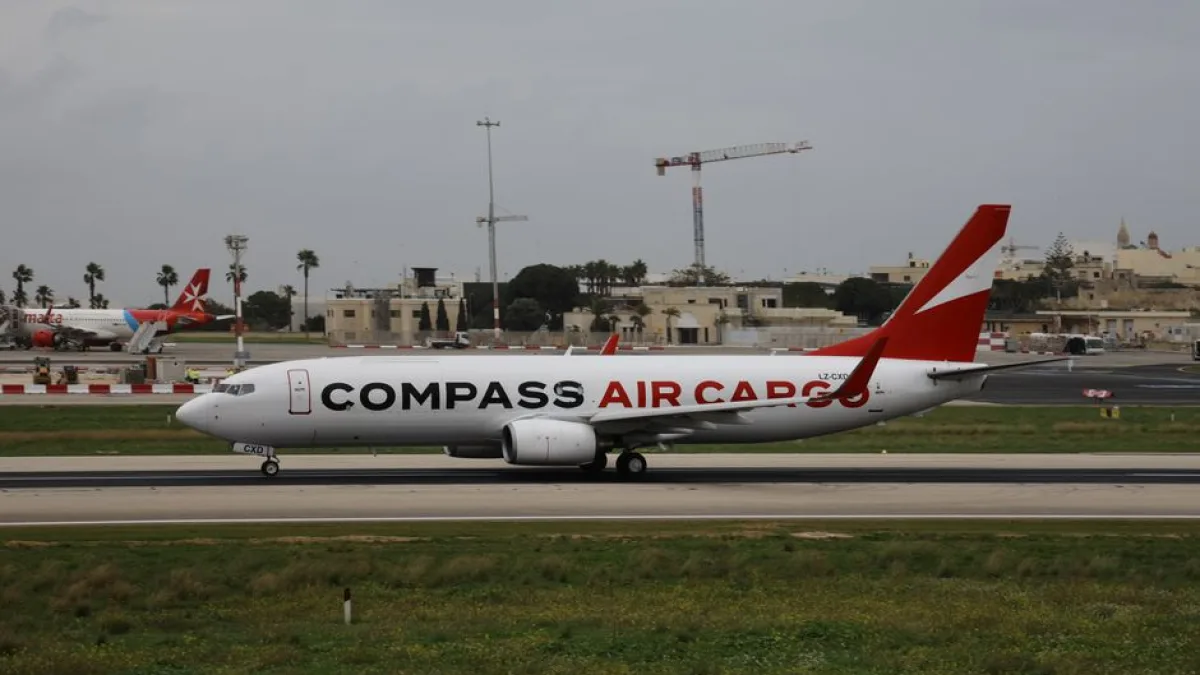
In the modern era, clients expect transparent, real-time updates regarding the exact status of their air shipments. Cloud-native platforms provide the tracking infrastructure necessary to offer proactive communication, turning potentially stressful transit periods into seamless experiences for all parties involved throughout the journey.
- Real-time status updates: Integrate live tracking feeds to provide your clients with accurate arrival and departure times, minimizing the need for manual status inquiry phone calls daily.
- Automated milestone notifications: Configure custom triggers that automatically alert stakeholders whenever a shipment hits a specific milestone, such as customs clearance or arrival at the final warehouse.
- Interactive client portals: Provide your customers with a secure login to view their current shipment status, documents, and historical data, fostering transparency and strengthening long-term business relationships.
- Disruption tracking alerts: Leverage predictive analytics to detect potential flight delays or weather issues, allowing your team to inform clients proactively rather than reacting after a problem escalates.
Proactive communication serves as a powerful differentiator in the highly competitive freight forwarding landscape. By offering your clients a clear view into their supply chain, you demonstrate reliability and technological competence. This level of service transparency reduces anxiety for your customers while empowering your internal teams to solve problems before they escalate into complaints, ultimately solidifying your reputation for service excellence globally.
Strengthening Carrier Partnerships

Building strong, data-backed relationships with air carriers is vital for securing favorable terms during high-demand periods. Digital collaboration tools enable forwarders to share performance data, negotiate better service level agreements, and maintain transparent communication channels that benefit every member of the supply chain network.
- Performance analytics reporting: Use software to generate detailed reports on carrier transit times, identifying reliable partners while addressing service failures directly through documented, data-driven performance review sessions.
- Collaborative rate negotiation: Access historical data regarding volume and spend to negotiate more favorable contracts with airlines, leveraging your firm actual performance metrics for better pricing outcomes.
- Unified communication channels: Consolidate all carrier correspondence into a single platform, ensuring that no request is overlooked and that all team members have access to historical agreements.
- Direct API integration: Establish stable, high-speed data connections with primary airline systems to ensure seamless information flow, reducing the latency associated with legacy EDI or manual methods.
Cultivating deep partnerships through shared digital environments creates a resilient logistics ecosystem. When you provide carriers with reliable data and predictable volumes, they are far more likely to prioritize your shipments during peak capacity constraints. This collaborative strategy ensures consistent service delivery and helps your business remain competitive, even during challenging global market conditions where space remains scarce and demand fluctuates rapidly.
Conclusion

Adopting advanced cloud-based software is the definitive path forward for air freight forwarders aiming to survive and thrive. By automating capacity management, streamlining documentation, and fostering transparent partnerships, your company will achieve new heights of operational efficiency. Leverage these powerful digital tools today to enhance your service quality and provide the seamless logistics experience that modern global shippers rightfully demand from their partners.