Optimizing Air Freight Operations with Advanced Cloud Technology
Monday, August 24 2026

Modern air freight logistics demands unprecedented speed and precision to maintain competitive margins in an evolving global market. Freight forwarders are increasingly shifting away from legacy paper-based workflows toward integrated cloud platforms that offer real-time visibility and automated documentation processing. By leveraging digital tools, professionals can minimize human error, reduce terminal handling delays, and ensure seamless communication across international borders. This transition not only enhances operational efficiency but also provides the scalable infrastructure necessary to handle complex shipping demands. Mastering these technological advancements is essential for any forwarder looking to secure long-term growth and excellence in today's fast-paced aviation supply chain environment.
Streamlining Documentation Workflows

Digitizing your air waybills and customs documentation significantly cuts down on administrative bottlenecks. Automated systems ensure that all data fields are validated before submission, which prevents costly delays and reduces the likelihood of manual entry errors during the critical booking process.
- Automated Data Entry: Implement smart software that extracts key information from shipping documents automatically to minimize manual typing and accelerate the preparation of air waybills for upcoming airline shipments.
- Instant Compliance Checks: Utilize integrated regulatory databases that flag potential customs issues in real time so your team can resolve documentation discrepancies before they impact your cargo departure.
- Unified Document Storage: Maintain a centralized cloud repository for all air freight documents to ensure that stakeholders have immediate access to necessary files from any location worldwide.
- Standardized Electronic Filing: Adopt industry standard electronic filing formats to communicate effectively with customs authorities and airlines while reducing the overhead costs associated with paper handling and physical storage.
Adopting these automated documentation strategies allows your operations team to focus on high-value tasks rather than repetitive administrative chores. By reducing the time spent on manual data verification, your business can significantly increase the volume of shipments handled without requiring additional headcount. This systematic approach leads to faster turnaround times for clients and a noticeable improvement in overall operational profitability and reliability.
Optimizing Real Time Visibility
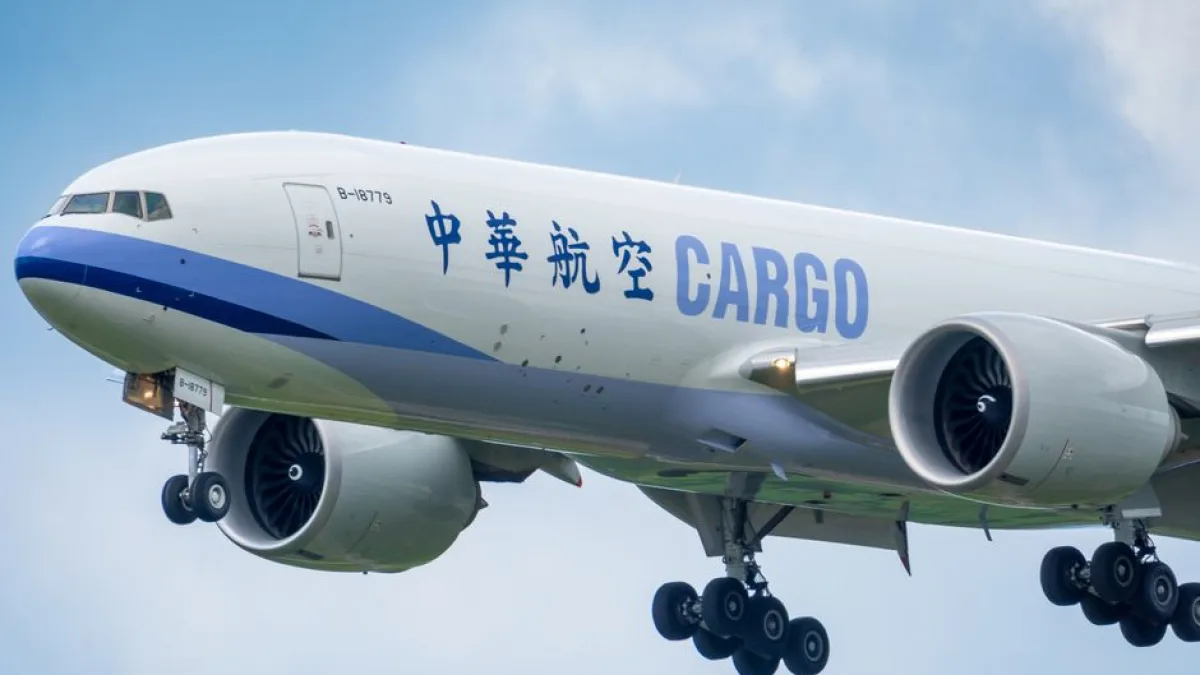
Global supply chains depend on accurate tracking to manage customer expectations and handle exceptions proactively. Modern cloud platforms provide live updates from carriers, allowing forwarders to monitor flight status and arrival times with precision, ensuring that stakeholders stay fully informed.
- Proactive Status Alerts: Configure automated notifications to keep your clients updated on their cargo status from origin to destination without requiring constant manual status checks by your staff.
- Live Flight Monitoring: Connect your software directly to global airline data feeds to receive instantaneous updates regarding flight delays, cancellations, or rescheduling of critical air freight shipments.
- Exception Management Tools: Deploy advanced dashboard features that highlight shipments facing potential transit issues so your logistics coordinators can initiate recovery plans before significant delays occur for customers.
- Client Visibility Portals: Offer your shipping customers a secure web portal where they can view their freight status in real time to reduce inbound email inquiries significantly.
Total visibility is no longer a luxury but a fundamental requirement for maintaining strong client partnerships. When your team can identify and resolve shipping anomalies before they escalate, you build trust and demonstrate professional excellence. By investing in tracking visibility, you effectively transform your air freight service from a basic transport function into a high-level strategic asset for your global clients.
Leveraging Advanced Capacity Management
Managing airline capacity effectively is a complex challenge that requires smart data analysis. Forwarders must balance fluctuating market rates with available cargo space to optimize their margins while ensuring consistent service levels for clients with urgent transport needs.
- Integrated Capacity Analysis: Use software analytics to compare real time capacity across multiple airline partners so you can select the most cost-effective and efficient routes for shipments.
- Dynamic Rate Management: Employ digital tools to track market pricing trends and adjust your internal quoting strategies to remain competitive while protecting your margins on every booking.
- Historical Data Insights: Review past performance metrics to forecast seasonal demand peaks and secure necessary space allocations with airline partners well in advance of high volume periods.
- Optimized Routing Options: Leverage route optimization algorithms to find alternative flight paths that minimize transit time while maximizing the utilization of available space on cargo aircraft frames.
Smart capacity management allows your freight forwarding business to maximize revenue per kilogram while providing clients with reliable shipping options. By combining historical data with current market insights, you are better equipped to negotiate favorable terms with airlines. This data-driven approach removes the guesswork from booking and ensures that your company remains profitable even during periods of extreme global supply chain volatility.
Building Resilient Partner Networks
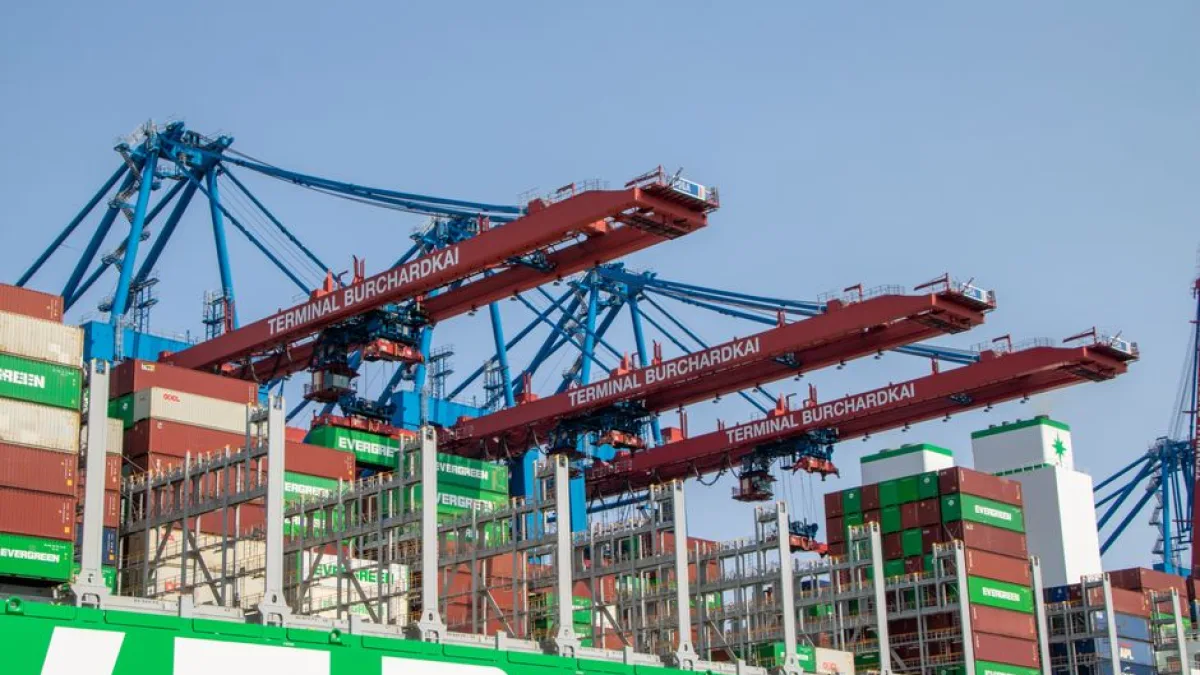
Collaboration is the backbone of the air freight industry, linking diverse service providers into one efficient flow. Maintaining strong digital connections with ground handlers, trucking partners, and airline agents ensures that every link in the supply chain remains strong and responsive.
- Seamless API Integration: Link your internal freight software with external partner systems to automate data transfers and reduce the need for manual communication between different logistics participants.
- Performance Benchmarking Tools: Evaluate the reliability of your sub-contractors and ground handlers using aggregated data to make informed decisions about who to include in your logistics networks.
- Collaborative Workflow Management: Share critical shipping milestones with international partners through a unified digital platform to synchronize activities and prevent bottlenecks during international transshipment points or terminal handling.
- Secure Data Sharing: Use encrypted digital channels to exchange sensitive customs and transit data with global agents to ensure compliance and maintain professional security standards throughout shipping.
Fostering a digitally integrated partner network is essential for navigating the complexities of modern international air freight. By choosing to collaborate through shared, cloud-based interfaces, you eliminate communication silos that often lead to service failures. This unified approach strengthens your operational backbone, allowing your business to scale rapidly and maintain high-quality service standards regardless of the complexity or volume of your air cargo shipments.
Conclusion

Harnessing cloud technology is the most effective way to elevate your air freight operations and stay ahead of the competition. By prioritizing visibility, automation, and integrated partnerships, you create a resilient foundation for sustainable growth. Start integrating these advanced tools into your logistics strategy today to see measurable improvements in efficiency. MakeCargo provides the robust platform you need to excel in the global market.