Optimizing Air Freight Operations with Advanced Cloud Technology
Monday, August 31 2026

The rapid evolution of global logistics demands unprecedented agility and precision from freight forwarders handling high-value air cargo shipments. As supply chain complexities grow, the reliance on manual processes and disconnected systems becomes a significant bottleneck for business growth. Modern cloud-based platforms provide the digital infrastructure necessary to bridge communication gaps and ensure real-time visibility across complex international routes. By embracing integrated digital solutions, freight forwarders can effectively navigate fluctuating capacity challenges, maintain rigorous compliance standards, and provide the proactive service levels that modern shippers demand in today's highly competitive and fast-paced global logistics marketplace.
Streamlining Booking Processes
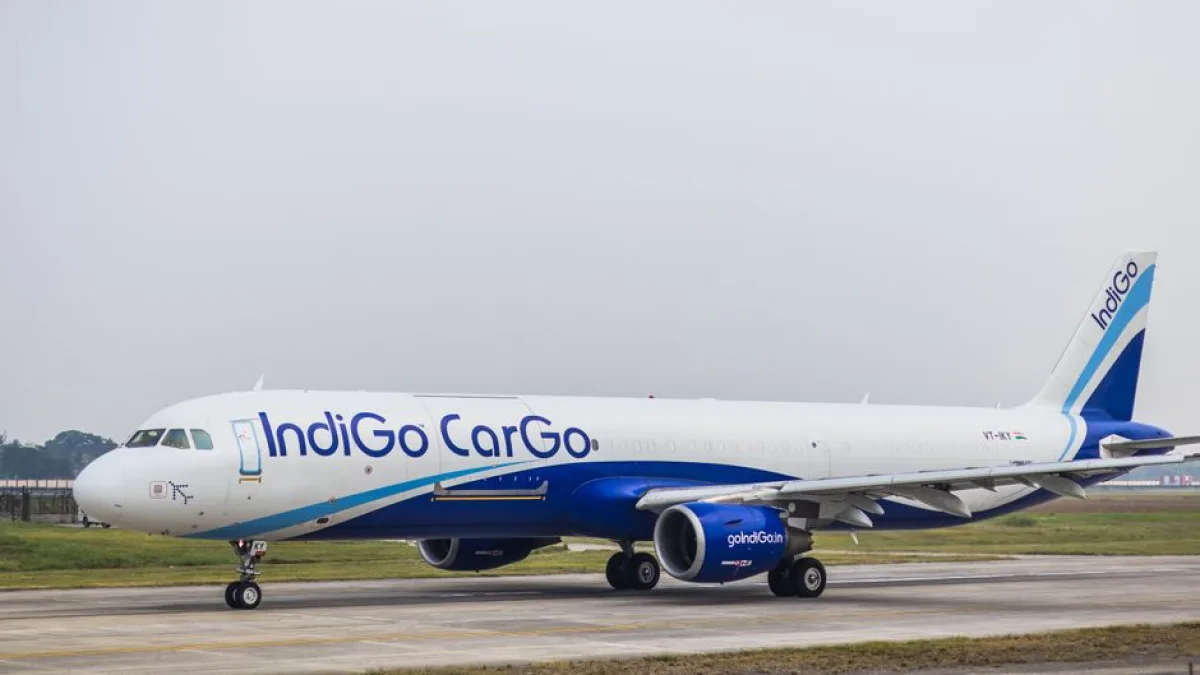
Digital booking interfaces transform how forwarders interact with carriers by replacing manual data entry with automated workflows. This shift reduces human error and accelerates the quote-to-booking timeline, allowing teams to secure space faster in a constrained capacity environment.
- Automated Rate Management: Centralized platforms allow teams to manage carrier rates in real time, ensuring that the most accurate pricing is applied during the initial booking inquiry phase instantly.
- Instant Capacity Checks: Integrated systems provide immediate access to airline schedules, enabling forwarders to confirm space availability without the need for repetitive phone calls or email threads.
- Digital Documentation Flow: Standardized digital forms eliminate paper-based processes, ensuring that all necessary air waybills and customs paperwork are generated accurately and filed within seconds of booking.
- Real-time Carrier Connectivity: Direct API connections to major airlines streamline communication, providing forwarders with seamless updates on flight confirmations and any potential scheduling adjustments or unexpected disruptions.
Adopting automated booking tools provides a distinct competitive advantage by drastically reducing the time spent on administrative tasks. When freight forwarders automate these repetitive functions, they empower their staff to focus on higher value strategic planning and complex customer service requirements. This transition not only enhances internal operational efficiency but also builds stronger trust with clients who expect rapid responses and precise logistics executions.
Enhancing Shipment Visibility

Real-time tracking capabilities offer total transparency into the movement of air cargo shipments. By integrating IoT data and carrier status feeds, forwarders can provide customers with precise location updates from the moment of departure to the final airport destination.
- End-to-End Tracking: Advanced software aggregates tracking data from multiple sources, offering a single source of truth for both forwarders and their clients during the entire transit.
- Automated Status Alerts: Proactive notifications inform stakeholders of every milestone reached, such as arrival at the transit hub or successful completion of final customs clearance procedures.
- Exception Management Tools: Early detection systems alert teams to potential delays, allowing for immediate corrective actions that minimize the impact on the client global supply chain.
- Interactive Customer Portals: Dedicated client dashboards provide self-service access to shipment status, reducing the volume of inbound inquiries and improving the overall customer experience through transparency.
Visibility serves as the backbone of modern freight forwarding, acting as a powerful tool for customer retention and service differentiation. When businesses offer clients clear, real-time insights into their air cargo journey, they alleviate common stress points associated with high-stakes international shipping. This commitment to transparency turns logistics providers into true strategic partners, fostering long-term loyalty and repeat business in the process.
Optimizing Customs Compliance

Navigating the complex landscape of international customs regulations requires robust digital safeguards. Modern software simplifies the declaration process, ensuring that every shipment meets the diverse legal requirements of different countries without incurring unnecessary delays or significant financial penalties.
- Regulatory Data Validation: Integrated validation engines flag missing or incorrect data fields before submission, preventing common errors that often lead to shipments being held at borders.
- Automated Tariff Classification: Smart software tools assist agents in applying correct HS codes, significantly reducing the risk of incorrect duty calculations and audits by customs authorities.
- Digital Compliance Archiving: Secure cloud storage maintains a permanent record of all import and export declarations, ensuring full audit readiness for any future compliance reviews or inquiries.
- Direct Customs Integration: Automated filing systems connect directly with national customs authorities, enabling faster processing times and smoother clearance for urgent high-priority air freight shipments today.
Maintaining strict compliance is essential for protecting the reputation of your freight forwarding firm. By automating the technical aspects of customs filing, teams reduce the heavy burden of manual research and manual oversight. These digital tools ensure that agents always operate with the most current trade information, creating a reliable workflow that keeps global supply chains moving steadily toward their destinations.
Leveraging Advanced Data Analytics

Data-driven insights empower freight forwarders to make informed decisions that improve profitability and operational performance. By analyzing historical performance metrics and market trends, companies can optimize their route planning and resource allocation to achieve better commercial outcomes.
- Performance Trend Analysis: Detailed reports identify which air routes are most profitable, helping forwarders focus their sales efforts on the lanes that drive the highest business growth.
- Carrier Performance Tracking: Evaluating airline reliability and transit times enables teams to select the best carrier partners based on actual data rather than just simple guesswork.
- Cost Management Visibility: Integrated analytics highlight hidden expenses, allowing companies to refine their pricing strategies and maintain healthy margins in a highly volatile air freight market.
- Strategic Business Forecasting: Predictive modeling tools allow forwarders to anticipate seasonal demand spikes, ensuring they secure enough capacity in advance to meet their specific client requirements.
Moving from reactive planning to proactive analysis changes the trajectory of a freight forwarding business. When leaders can visualize operational data through intuitive dashboards, they identify opportunities for improvement that were previously hidden in complex spreadsheets. This analytical approach drives continuous growth and ensures that the organization remains flexible enough to adapt to the ever-changing demands of the global air cargo sector.
Conclusion
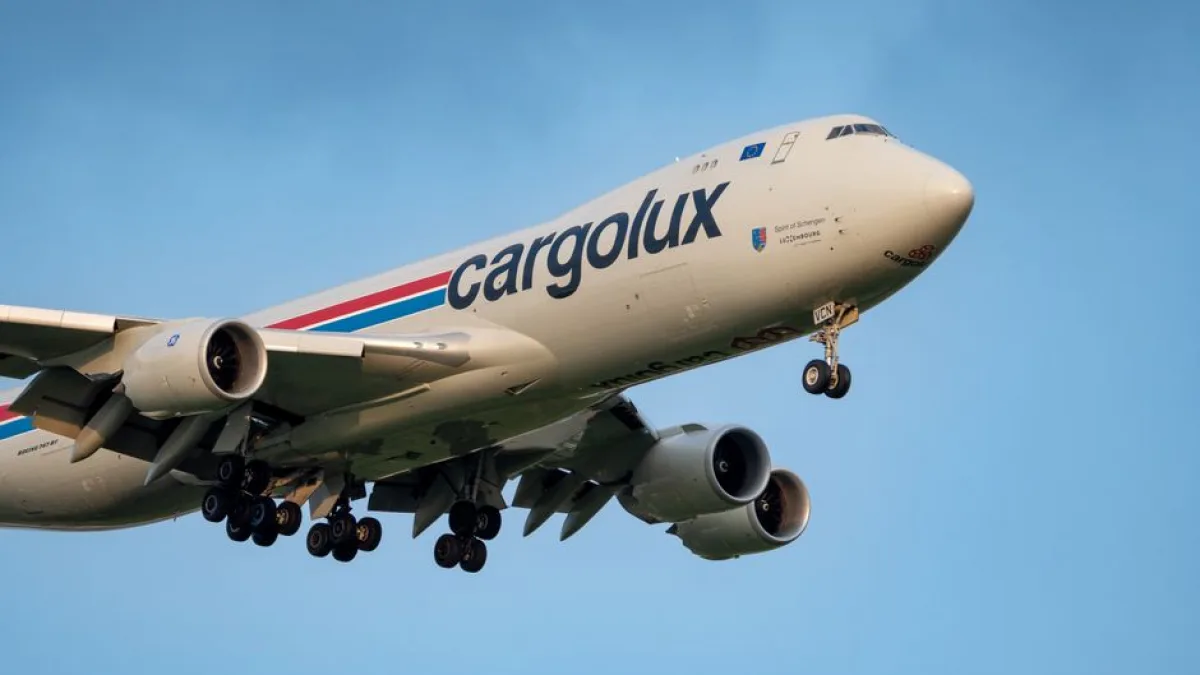
Modernizing your air freight operations with cloud technology is a necessary step for sustainable growth. By integrating booking, visibility, compliance, and analytics into a single platform, forwarders improve efficiency and provide superior service. Contact our expert team today to learn how MakeCargo can streamline your operations and help your business thrive in the evolving international logistics market for years to come.