Optimizing Air Freight Operations with Advanced Cloud Technology
Friday, September 4 2026

Modern air freight logistics demands unprecedented speed and precision to maintain competitive margins in an evolving global economy. As supply chains grow increasingly complex, freight forwarders must transition away from legacy manual processes that hinder growth and visibility. Cloud-based platforms offer a comprehensive solution for managing rapid transit times and strict compliance requirements. By integrating digital tools, your team can automate documentation, track shipments in real time, and reduce costly errors that jeopardize customer satisfaction. Embracing technological transformation is no longer a luxury but a fundamental necessity for forwarding agencies aiming to scale operations while delivering exceptional service reliability to international clients.
Digitizing Shipment Documentation

Automating the paperwork involved in air transit eliminates repetitive data entry tasks and prevents delays at customs. By utilizing cloud platforms, forwarders ensure that every document is accurate, accessible, and compliant with international aviation security standards throughout the entire shipping journey.
- Automated Data Entry: Cloud software captures essential shipment information directly from digital invoices to reduce human input errors and accelerate the booking process for time sensitive air cargo shipments.
- Compliance Monitoring Tools: Integrated systems automatically verify airway bills against updated international regulations to ensure that all documentation meets legal standards before the cargo reaches the departure airport.
- Instant Document Sharing: Freight forwarders can instantly share digitized packing lists and certificates of origin with customs brokers or consignees to prevent unnecessary delays at international borders.
- Centralized Record Storage: Maintain a secure and organized digital library of every historical shipment document to simplify future audits and improve transparency for all your stakeholders.
By shifting to digital documentation, forwarders effectively eliminate the risks associated with manual filing systems. This transition provides a streamlined workflow that allows teams to focus on high-value client interactions rather than tedious clerical work. As global trade continues to accelerate, the ability to process paperwork within seconds provides a massive competitive advantage for firms looking to enhance their operational throughput and maintain high performance.
Enhancing Real-Time Cargo Visibility
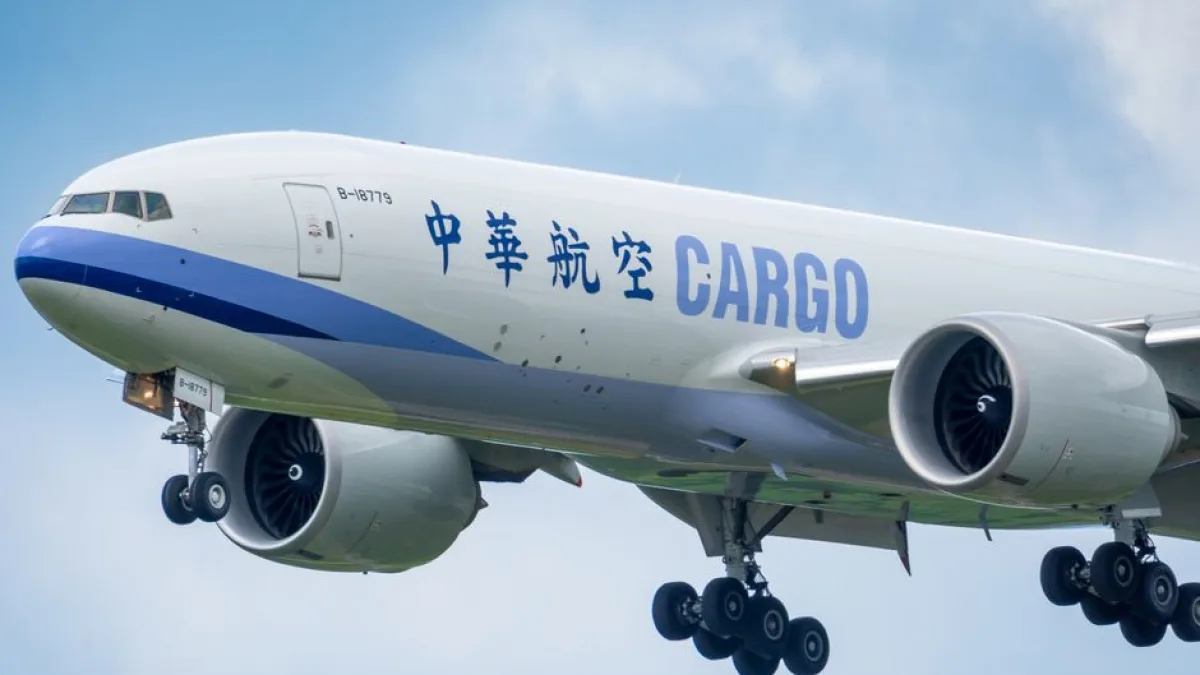
True transparency in air freight requires constant tracking updates from departure to final delivery. Advanced visibility tools allow forwarders to provide proactive notifications, keeping clients informed about their shipment status and building long term trust through consistent, data-driven communication strategies.
- Proactive Tracking Alerts: Automated systems send instant updates regarding flight status changes or delays to help you manage customer expectations effectively during unexpected logistical disruptions or cancellations.
- Live Location Mapping: Utilize real-time GPS integration to provide your clients with precise geographic information about their high value air cargo throughout the entire transit process.
- Milestone Event Monitoring: Configure custom tracking milestones that notify your internal team the moment a shipment arrives at key transit points such as airport terminals.
- Transparency Portals: Offer your customers access to a dedicated dashboard where they can monitor their shipments without needing to contact your support staff via phone.
Gaining full visibility into air freight movements reduces the frequency of support calls and allows you to resolve potential issues before they become crises. This level of transparency defines modern professional logistics, transforming the customer experience from reactive to proactive. By providing clear data at every step, your business becomes an essential partner that clients rely on for their most critical inventory movements.
Streamlining Airline Capacity Management
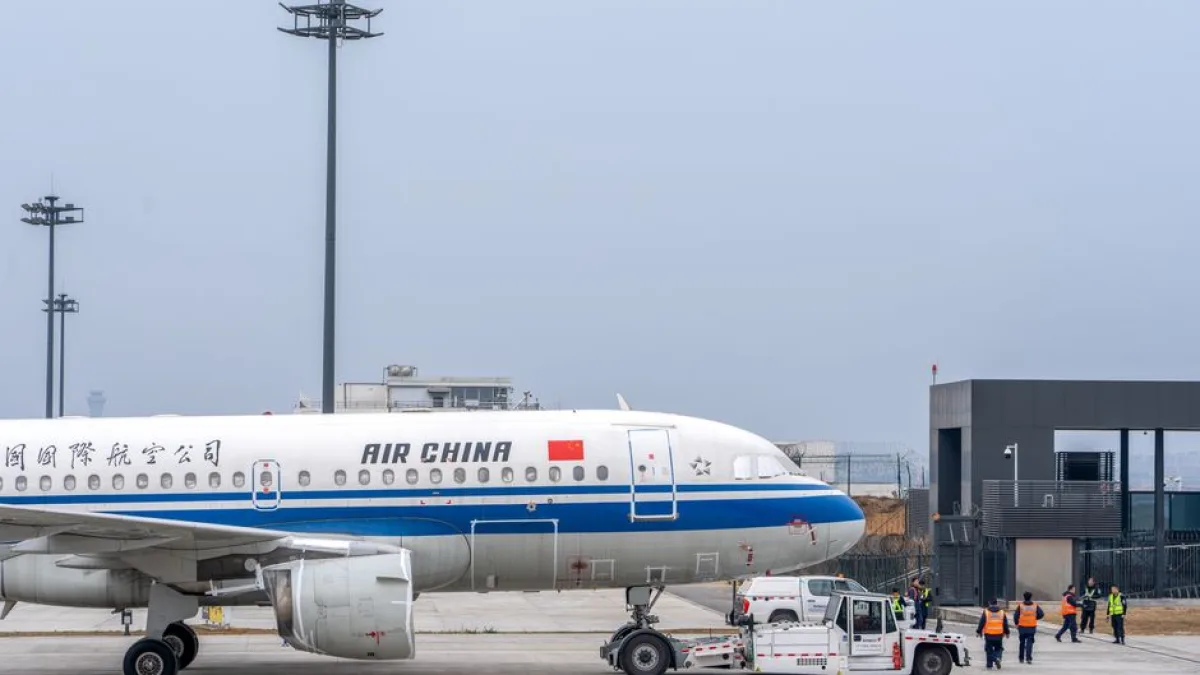
Efficient capacity management is critical for managing freight costs and ensuring timely space allocations. Cloud-based tools allow forwarders to compare various airline schedules and pricing structures in real time, ensuring the most cost-effective and efficient routing for every individual shipment.
- Capacity Comparison Tools: Quickly analyze different airline schedule options and pricing models to select the most efficient route while maintaining your required service levels for the client.
- Dynamic Space Booking: Secure necessary cargo space on commercial or freighter flights instantly through direct platform integration to avoid the frustrations of traditional booking methods.
- Load Factor Analysis: Track your monthly volume usage across different carriers to identify opportunities for negotiating better volume based rates and improved service agreements annually.
- Space Utilization Reports: Generate detailed reports on how effectively your team utilizes booked airline space to improve overall efficiency and reduce wasted spending on unused capacity.
Optimizing how you manage airline capacity has a direct impact on your bottom line and service reliability. By utilizing data-driven insights, forwarders can make smarter purchasing decisions that align with specific shipment priorities. This strategic approach ensures that you never pay for excess space while keeping your air freight operations nimble enough to adapt to fluctuating global market demands and constraints.
Improving Global Agent Collaboration

Successful air freight logistics relies on seamless communication between local offices and global partners. A unified cloud platform bridges geographical gaps by providing a single source of truth for all stakeholders involved in complex multi-leg shipping operations globally.
- Centralized Communication Hubs: Keep all correspondence regarding specific air shipments organized within the project file to ensure that every team member has the latest information available.
- Collaborative Workflow Management: Assign tasks directly to international partners within the platform to keep projects moving forward without the need for endless email chains or delays.
- Secure Partner Access: Define granular permission levels for external partners to view or edit shipment data while ensuring your sensitive agency information remains strictly protected.
- Unified Global Database: Synchronize shipment data across all international branches to prevent information silos and ensure that every office follows the same standardized operating procedures daily.
Effective collaboration is the backbone of any international freight forwarding network. By breaking down communication barriers, your team can operate as a cohesive unit regardless of where they are located. This internal synergy directly results in faster response times for clients and a more consistent service delivery model. When everyone works from the same platform, the efficiency of your global air operations increases exponentially.
Conclusion
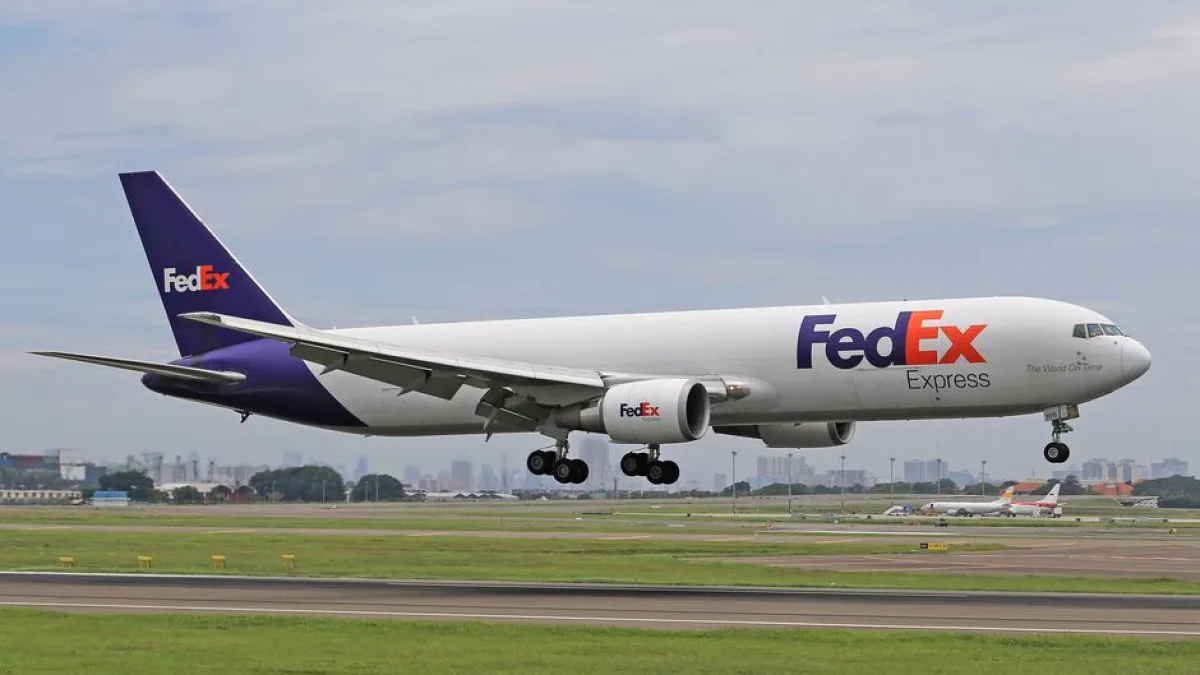
Transforming your air freight operations through cloud-based technology is the most effective way to stay competitive in a rapidly accelerating global logistics environment. By digitizing documentation, improving visibility, managing capacity wisely, and fostering global collaboration, your agency can achieve superior operational results. Start your digital evolution today to ensure your firm remains at the forefront of the modern air freight forwarding industry.