Optimizing Air Freight Operations with Advanced Cloud Technology
Thursday, September 10 2026
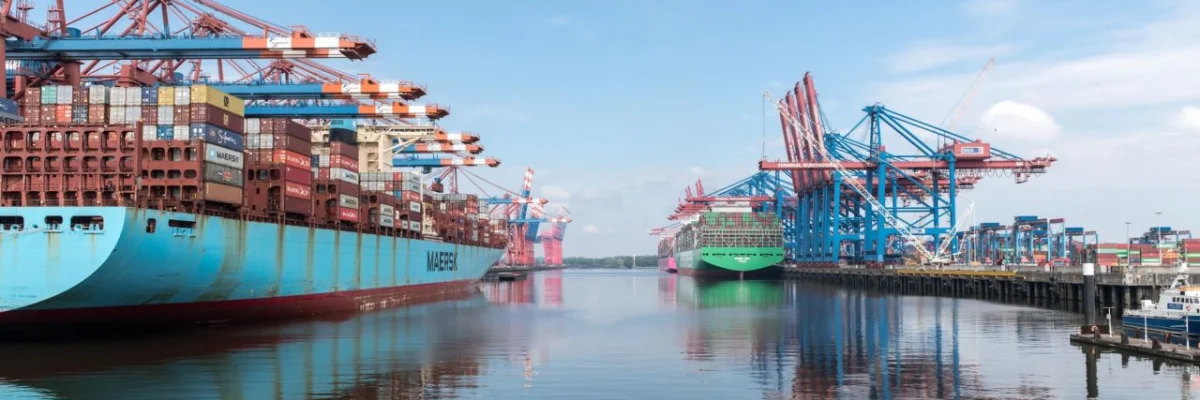
Modern air freight logistics demands unprecedented speed and precision to maintain competitive margins in a fast-paced global economy. As supply chains grow increasingly complex, freight forwarders must transition from manual processes to integrated cloud-based platforms to enhance transparency. Leveraging digital automation tools allows logistics professionals to minimize human error, reduce operational overhead, and provide real-time updates to their clients. By embracing technological advancements, businesses can ensure that cargo moves through terminals efficiently while maintaining strict compliance with evolving international aviation safety regulations and documentation standards that govern the modern transport landscape across borders.
Real-time Shipment Tracking

Advanced tracking technology provides instantaneous visibility into the location and status of high-priority air cargo shipments across the globe. By utilizing integrated cloud software, forwarders can proactively address potential bottlenecks, ensuring clients remain informed throughout the entire transit process.
- Live Data Integration: Connect directly with airline systems to pull real-time flight status updates and schedule changes that impact your cargo delivery timelines without manual intervention or phone calls.
- Automated Status Alerts: Configure your software to send trigger-based notifications to stakeholders whenever a shipment reaches a specific milestone or experiences a delay during the air transit phase.
- Global Visibility Dashboards: Access a centralized digital platform that maps your entire active shipment portfolio, allowing you to identify inefficiencies and optimize routing strategies for future air freight.
- Customer Transparency Portals: Provide your clients with secure, customized login access where they can track their specific air cargo shipments independently to reduce unnecessary communication overhead for your staff.
Implementing a centralized tracking system changes how forwarders interact with clients and carriers daily. By removing the need for constant manual updates, your team can focus on complex logistics challenges rather than answering simple status inquiries. This shift in operational focus builds trust and long-term loyalty, setting your firm apart in a crowded market where reliable information is just as valuable as physical cargo.
Automated Customs Documentation

Efficient customs clearance relies on the rapid and accurate processing of complex air freight documentation. Digital platforms enable forwarders to automate repetitive filing tasks, significantly reducing the likelihood of errors and preventing costly delays at busy international air cargo terminals.
- Seamless Electronic Filing: Submit customs declarations directly to government authorities through integrated software, ensuring all required documentation is transmitted accurately and securely to avoid clearance-related processing bottlenecks.
- Compliance Error Checking: Utilize built-in validation tools that automatically review your export and import paperwork against current trade regulations to flag potential discrepancies before final submission occurs.
- Document Digitization Tools: Convert physical air waybills and commercial invoices into structured digital formats that are easily searchable, shareable, and archived for future audits or regulatory compliance needs.
- Standardized Filing Templates: Create and save reusable templates for recurring air cargo routes to standardize your documentation process and ensure consistency across your entire logistics operations department daily.
Streamlining the documentation process is essential for maintaining a high velocity in air freight operations. By automating these administrative burdens, you eliminate the risks associated with manual data entry and ensure that every shipment complies with destination requirements. This efficiency prevents cargo from being held in warehouses, allowing you to promise shorter transit times and superior service levels to your most demanding customers.
Warehouse Efficiency Tools

Optimizing warehouse management is vital for the rapid turnaround of air cargo that requires immediate processing upon arrival or departure. Smart software solutions help forwarders manage inventory space, equipment allocation, and personnel schedules to maximize throughput in high-velocity transit environments.
- Space Utilization Planning: Map your warehouse floor in real-time to track available capacity and ensure that high-priority air freight is stored in accessible locations for immediate loading processes.
- Inventory Management Integration: Sync your warehouse data with your freight management system to maintain perfect inventory accuracy and prevent overselling capacity on your preferred air carrier routes.
- Equipment Scheduling Modules: Manage forklifts and cargo handling tools by scheduling maintenance and operator shifts in sync with incoming and outgoing air flight schedules to avoid delays.
- Personnel Workflow Optimization: Assign specific handling tasks to warehouse team members based on their location and current workload to ensure rapid movement of pallets through the facility.
Effective warehouse management directly correlates with the ability to meet tight flight connection windows in the air freight industry. By integrating your floor operations with cloud software, you ensure that every pallet move is purposeful and efficient. This granular level of control minimizes idle time for both labor and equipment, ultimately lowering your operational costs while increasing the total capacity of your facility.
Carrier Performance Analysis
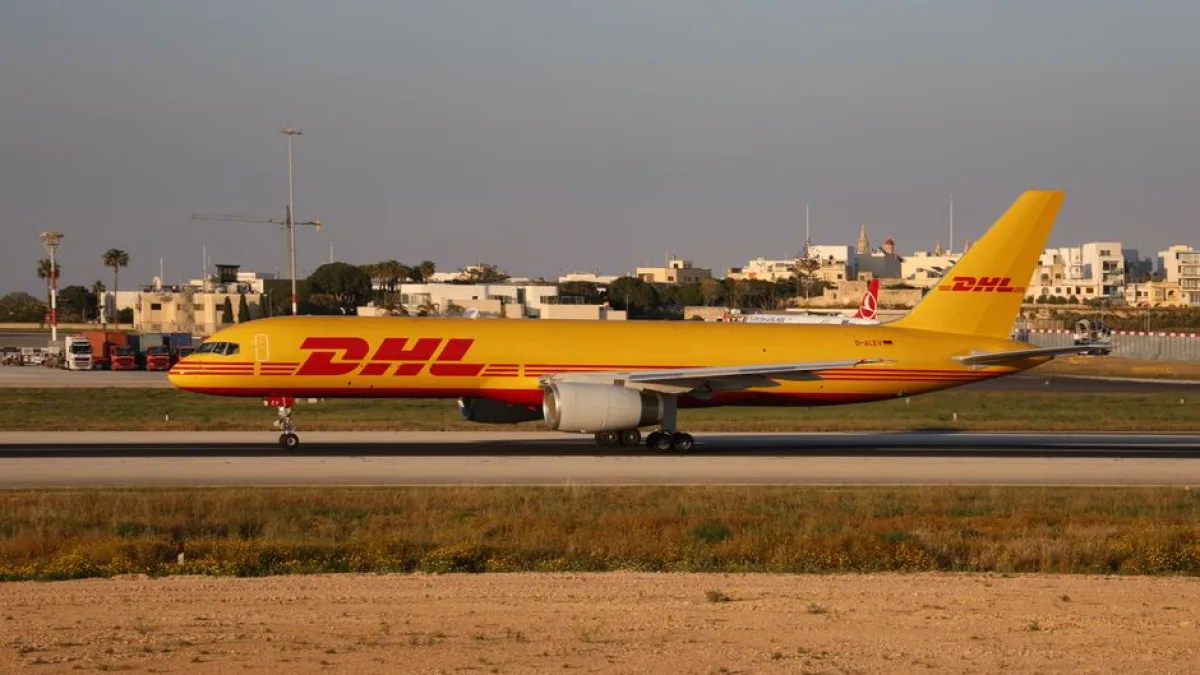
Evaluating airline partners through objective data is crucial for maintaining the quality of your supply chain. Cloud analytics platforms provide deep insights into carrier performance, allowing forwarders to select the best routes based on historical reliability rather than just price.
- On-time Reliability Reports: Analyze historical flight data to determine which airlines consistently deliver on their promises, helping you make informed decisions when booking high-value or time-sensitive air cargo.
- Cost Comparison Analytics: Review comprehensive cost reports across different carrier options to identify hidden expenses and optimize your budget allocation for various international air freight trade lanes.
- Carrier Compliance Tracking: Maintain a centralized database of carrier certifications and safety ratings to ensure you are only partnering with vendors who meet your quality standards.
- Capacity Utilization Reviews: Examine how effectively your carriers fill allotted space to negotiate better rates and improve your margins on high-volume routes throughout the busy fiscal year.
Data-driven decisions are the hallmark of a successful freight forwarding firm in the modern era. When you quantify the performance of your airline partners, you gain the leverage needed to negotiate better service agreements. This focus on performance metrics not only improves your current service delivery but also strengthens your long-term partnerships with carriers, creating a more resilient and profitable global logistics network.
Conclusion

Mastering air freight logistics requires a commitment to digital transformation and continuous process optimization. By leveraging advanced cloud software, you can unify tracking, documentation, and carrier analysis into a single, cohesive workflow. This strategic approach minimizes manual intervention while maximizing visibility and profitability for your forwarding business. Start integrating these technology solutions today to improve your service reliability and stay ahead of global competition.