Optimizing Air Freight Operations with Advanced Cloud Technology
Friday, September 11 2026

Modern air freight demands precision, speed, and absolute visibility in a global market that never sleeps. For freight forwarders, the challenge lies in balancing rapid transit requirements with complex documentation and real time tracking expectations from clients. Relying on legacy systems often results in bottlenecks that delay shipments and erode profit margins. By integrating cloud based platforms like MakeCargo, logistics professionals can automate manual workflows, enhance data accuracy, and provide seamless communication across the entire supply chain. Embracing these digital tools is no longer a luxury but a fundamental necessity for staying competitive in the fast paced aviation logistics industry.
Digitizing Air Waybills

The transition from paper based air waybills to digital formats is revolutionizing how forwarders process shipments. By centralizing data in the cloud, teams can eliminate redundant entry, reduce human errors, and ensure that all documentation meets international standards without costly delays.
- Reduced processing time: Automated digital documentation reduces manual input requirements significantly, allowing your staff to process shipping orders faster while maintaining high data accuracy standards throughout the entire cycle.
- Enhanced data integrity: Cloud platforms validate information at the point of entry, preventing common clerical errors that often lead to customs clearance issues or rejected cargo during transit.
- Instant document sharing: Digital air waybills provide immediate access to critical shipment information for carriers, customs brokers, and end clients, fostering a collaborative environment that speeds up operations.
- Simplified compliance management: Modern software automatically updates with global regulatory changes, ensuring that your air waybill documentation remains compliant with evolving international air transport association requirements every single day.
Adopting digital air waybill solutions empowers your team to move away from administrative fatigue and focus on high value logistics tasks. By stripping away the inefficiencies of manual paperwork, your freight forwarding business can process higher volumes of cargo with greater speed. This operational shift not only improves service delivery to your clients but also provides a scalable foundation for long term corporate growth.
Real Time Shipment Tracking

Providing clients with precise, real time shipment tracking is the hallmark of a professional freight forwarder. Cloud technology enables granular visibility from departure to final delivery, ensuring that stakeholders stay informed about the status of their high priority air cargo shipments.
- Live location monitoring: Integrated tracking systems pull data directly from carrier APIs, offering your team and your customers an accurate view of where every shipment sits in real time.
- Proactive status alerts: Automated notification systems keep clients updated automatically, reducing the volume of inbound status inquiries and building trust through consistent, high quality proactive communication channels and tools.
- Improved delay management: Early detection of flight schedule changes allows your operations team to troubleshoot potential issues before they escalate, maintaining service levels despite unforeseen global logistical disruptions.
- End user visibility: Secure client portals give your customers the independence to view their shipment status whenever they need, enhancing transparency and improving the overall customer experience significantly.
Effective tracking capabilities turn complex logistics chains into transparent processes that your customers can rely on every day. By leveraging these real time data feeds, you create a distinct market advantage that sets your company apart from competitors still using manual status updates. Providing this level of clarity ensures that clients feel empowered and informed, which leads to higher retention and improved loyalty.
Streamlining Customs Clearance
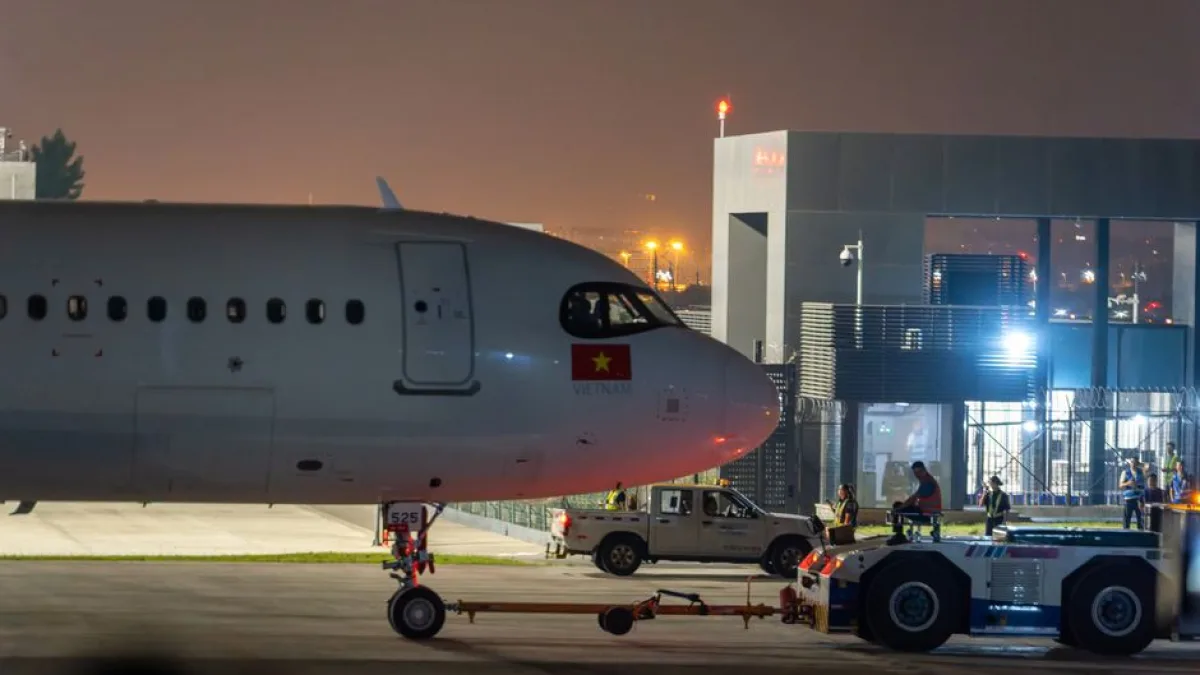
Air freight is notoriously sensitive to customs delays which can negate the benefits of fast flight times. Utilizing advanced software allows forwarders to pre file documentation and coordinate with customs authorities efficiently to ensure smooth transitions through border control points worldwide.
- Early data submission: Digital filing tools allow your staff to transmit customs documentation well before the aircraft lands, significantly reducing wait times and preventing unnecessary cargo storage fees.
- Automated duty calculation: Built in calculation engines accurately determine taxes and duties based on commodity codes, minimizing the risk of financial penalties or customs holds due to underpayment.
- Integrated communication loops: Centralized platforms facilitate direct messaging between forwarders and customs officials, ensuring that any requests for additional information are handled instantly to avoid long terminal delays.
- Risk assessment tools: Predictive analytics help identify potential documentation gaps before shipments depart, allowing you to resolve issues proactively and maintain a seamless flow of air freight cargo.
Optimizing customs procedures through cloud software removes the unpredictability that often plagues air transport. By turning a reactive process into a streamlined digital workflow, you can provide clients with guaranteed speed and reliability. This efficiency ensures that your cargo moves through the airport without the usual bureaucratic bottlenecks, ultimately improving your reputation and securing repeat business from satisfied global logistics partners.
Data Driven Decision Making
In the air freight sector, raw data is the key to unlocking hidden performance gains and cost savings. Cloud platforms collect vast amounts of operational metrics, allowing management to make informed decisions that optimize routes, carrier selection, and overall resource allocation for maximum profitability.
- Carrier performance metrics: Analyze historical data to identify which airlines consistently meet deadlines, helping you choose the most reliable partners for your specific high value air freight shipping needs.
- Route cost analysis: Detailed reporting tools visualize expenditure per route, enabling you to identify expensive flight paths and negotiate better rates based on accurate, long term volume data.
- Resource optimization insights: Understand your operational bottlenecks by reviewing staff productivity reports, allowing you to reallocate team members to tasks that drive higher revenue and better service delivery.
- Predictive volume forecasting: Leverage historical trends to anticipate seasonal demand surges in the air freight market, helping you secure capacity and equipment well before your competition starts bidding.
Data driven insights provide the strategic clarity required to thrive in a volatile global logistics environment. By moving away from gut feeling and toward evidence based strategies, you can minimize costs while simultaneously increasing the quality of your logistics services. Implementing these tools is a fundamental step toward building a data centric organization that remains agile, profitable, and ready for future growth.
Conclusion

Integrating cloud based software is the most effective way to modernize air freight operations and stay relevant. By embracing digital workflows, you improve accuracy, speed, and client satisfaction while gaining the analytical power needed to scale. Start your journey toward operational excellence today by exploring how MakeCargo can transform your freight business. Contact our team to schedule a personalized platform demonstration for your team.