Optimizing Air Freight Operations with Advanced Cloud Technology
Thursday, September 17 2026

The global air freight landscape is evolving at a breakneck speed, demanding unprecedented levels of precision and real-time visibility from logistics providers. As market volatility becomes the new standard, freight forwarders are turning away from manual processes to embrace cloud-based platforms that integrate seamlessly with international supply chains. By leveraging automated data management and digital documentation, professionals can significantly reduce transit times and operational bottlenecks. This article explores how modern software solutions empower teams to navigate complex regulatory environments, optimize routing strategies, and deliver superior value to shippers while maintaining competitive margins in an increasingly demanding global aviation marketplace.
Digitizing Documentation Workflows

Managing physical paperwork for international air shipments often results in costly delays and human error. Digitizing these documents within a unified cloud platform allows forwarders to centralize information, ensure compliance with customs requirements, and accelerate the booking process for time-sensitive cargo.
- Automated Data Entry: Cloud software utilizes optical character recognition to extract key shipment details directly from invoices and manifests, eliminating manual typing errors and increasing processing speed for urgent bookings.
- Centralized Document Storage: Maintain a secure and searchable digital repository for all shipping records, ensuring that documentation is instantly accessible for customs audits and internal team reviews at any time.
- Instant Compliance Checks: Integrated validation tools cross-reference shipping documents against international trade regulations in real-time, preventing potential fines and border delays that often stem from incomplete or incorrect export paperwork.
- Real-time Document Sharing: Facilitate immediate collaboration between agents, shippers, and customs brokers by providing secure access to digital files, ensuring all parties stay synchronized on every single air freight consignment.
Adopting digital workflows serves as the foundation for operational excellence in air cargo management. By eliminating the reliance on physical paper trails, freight forwarders gain the agility required to respond to rapid market changes. This transformation reduces administrative overhead, allowing professional teams to focus on high-value tasks like customer relationship management and strategic network planning, ultimately driving growth in a highly competitive logistics industry.
Improving Real-time Shipment Tracking

Visibility is no longer just an optional service for air freight clients because shippers expect accurate updates from takeoff to landing. Advanced tracking integration provides live status updates, allowing forwarders to manage exceptions proactively and provide immediate transparency to their customers.
- Live Status Monitoring: Integrate your software with airline tracking systems to receive automatic status updates, ensuring that every milestone from airport arrival to final delivery is recorded accurately.
- Proactive Exception Management: Receive instant notifications regarding flight delays or routing changes, allowing your team to inform clients ahead of time and implement alternative logistics strategies when necessary.
- Enhanced Customer Portals: Provide shippers with personalized dashboards where they can monitor their cargo status, reducing the volume of inbound status inquiry calls to your operational staff.
- Transparent Data Reporting: Generate comprehensive reports on shipment milestones to analyze carrier performance and transit times, empowering your business to make data-driven decisions for future shipping lanes.
The ability to provide instantaneous tracking data separates elite freight forwarders from the rest of the pack. When customers feel confident in your visibility capabilities, they are more likely to return for repeat business. By integrating tracking tools into your daily workflow, you transform the customer experience from a standard service into a value-added partnership that thrives on reliability and trust.
Optimizing Air Cargo Routing
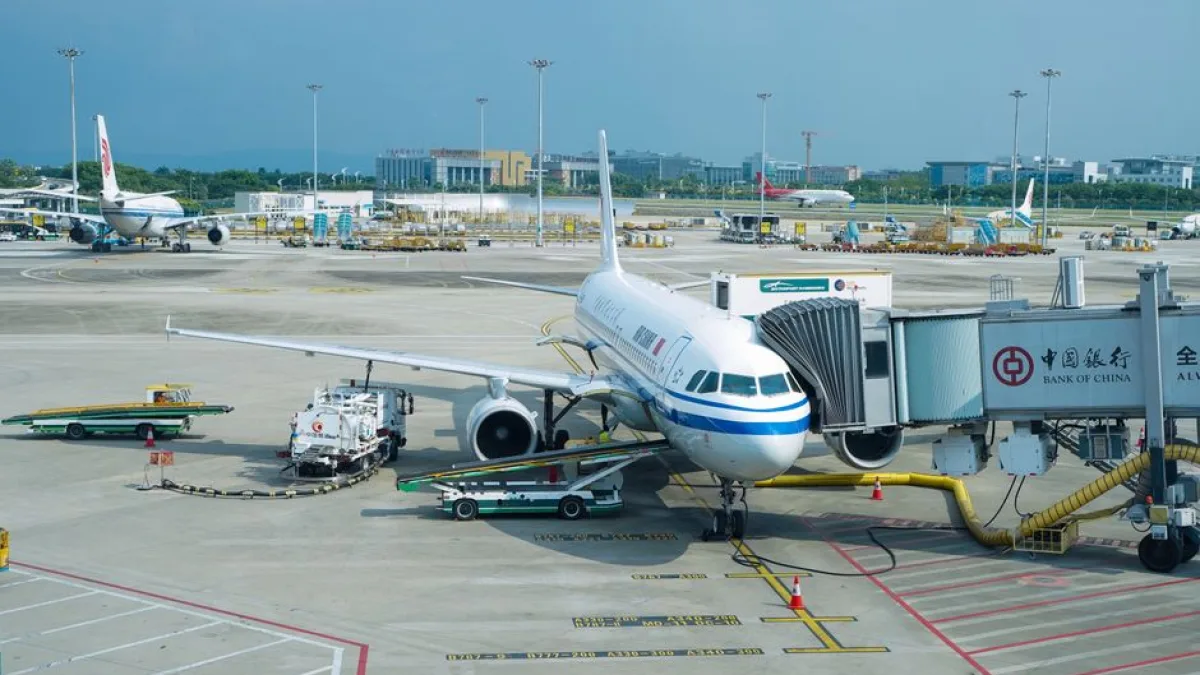
Selecting the most efficient flight paths is essential for maintaining profitability and meeting tight customer deadlines. Software-driven route optimization tools evaluate carrier capacity, transit costs, and flight schedules to identify the most effective paths for moving high-value goods globally.
- Carrier Capacity Analysis: Compare real-time capacity and pricing across multiple airline partners to select the best options that balance cost efficiency with necessary delivery speeds for specific clients.
- Optimized Routing Algorithms: Utilize intelligent software features that calculate the most efficient flight paths based on current weather patterns, airport congestion levels, and available direct cargo capacity.
- Cost Comparison Tools: Analyze different shipping scenarios instantly to determine how route variations impact the bottom line, helping your team provide the most competitive quotes to your shippers.
- Schedule Integration Features: Automatically sync your booking platform with global airline flight schedules to ensure that you are always working with the most up-to-date and reliable information.
Strategic routing is the primary driver of profitability in the air freight industry today. By leveraging smart software to navigate complex flight networks, forwarders can minimize transit times while keeping operational expenses under control. This level of precision ensures that cargo arrives on schedule, strengthening your reputation as a reliable logistics partner in an industry where time is truly synonymous with money.
Scaling Through Cloud Integration

As your freight forwarding business expands, your technology must scale to meet increasing demand without adding unnecessary complexity. Cloud-based software provides the flexibility to connect different departments and external partners, creating a cohesive ecosystem that supports sustainable long-term business growth and efficiency.
- Seamless Platform Connectivity: Integrate your freight platform with accounting software and CRM systems to ensure that all financial and client data is synchronized across the entire organization.
- Scalable Infrastructure Resources: Cloud solutions allow you to increase system capacity instantly as your volume grows, ensuring that your technology remains fast and reliable during peak seasons.
- Collaborative Team Environments: Enable staff to work securely from any location, fostering a modern work culture that supports remote logistics operations and improves overall employee productivity and satisfaction.
- Automated Software Updates: Benefit from constant improvements and feature updates delivered directly through the cloud, ensuring your business always uses the latest technology without requiring manual system patches.
Transitioning to a cloud-based infrastructure is the most effective way to prepare your freight forwarding business for the challenges of tomorrow. As you integrate these powerful tools into your daily operations, you create a robust framework that supports rapid scaling and innovation. Investing in the right technology today ensures that your firm remains agile, profitable, and ready to dominate the air freight market.
Conclusion

Success in the modern air freight industry relies on the seamless integration of technology and human expertise. By prioritizing digital documentation, real-time tracking, intelligent routing, and scalable cloud systems, forwarders can navigate complex logistics challenges with confidence. Embracing these advanced solutions not only boosts operational efficiency but also provides the transparency that modern shippers demand, securing your place as a leader in the global aviation sector.