Optimizing Air Freight Operations with Advanced Cloud Technology
Sunday, September 20 2026

The global logistics landscape faces unprecedented pressure as demand for speed and reliability continues to scale. Freight forwarders must navigate complex supply chains while maintaining margins in a competitive market environment. By leveraging cloud-based platforms like MakeCargo, logistics professionals can automate manual workflows and gain real-time visibility into their shipments. Transitioning to digital infrastructure allows firms to reduce human error, enhance communication with airline partners, and ultimately provide superior service to end clients. As the aviation industry evolves, adopting sophisticated software becomes the decisive factor for forwarders seeking to achieve operational excellence and long-term business scalability.
Modernizing Air Cargo Logistics
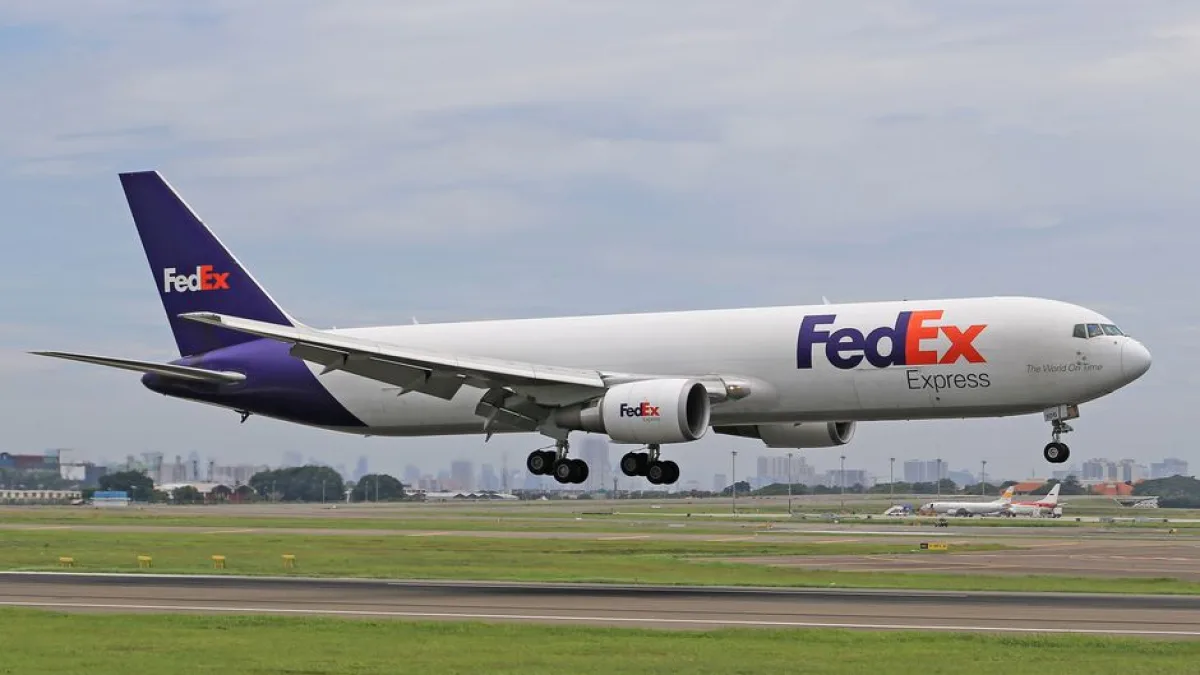
Modernizing your air freight workflow requires moving away from fragmented spreadsheet systems toward integrated cloud solutions. This transition centralizes operational data, allowing teams to coordinate complex international movements with total transparency and increased speed across every stage of the shipment lifecycle.
- Real-time shipment tracking: Digital platforms enable forwarders to monitor cargo locations instantly, ensuring that updates are communicated proactively to stakeholders and reducing time spent on manual status check inquiries.
- Automated documentation processes: Digitizing air waybills and customs paperwork minimizes data entry errors, accelerates document processing times, and ensures compliance with international aviation security and export regulation standards.
- Streamlined partner communication: Integrated messaging tools within cloud platforms facilitate seamless collaboration between agents, airlines, and warehouse teams to prevent costly misunderstandings during the critical transit handoff phases.
- Enhanced cost transparency: Advanced software tools provide clear insights into fluctuating air carrier rates and surcharges, allowing forwarders to quote more accurately and maintain healthy profit margins daily.
Digital transformation is no longer a luxury but a fundamental necessity for freight forwarding firms aiming to survive. By consolidating fragmented communication channels into one unified cloud interface, your team can resolve bottlenecks faster and focus on value-added services. Embracing these technological shifts empowers your organization to handle complex air freight demands with confidence, efficiency, and a renewed focus on delivering exceptional value to clients.
Optimizing Inventory and Warehousing

Effective warehousing is the backbone of successful air freight forwarding, requiring precise management of fast-moving inventory. Cloud software enhances warehouse visibility by providing accurate counts and status updates, ensuring that ground handling teams can prepare cargo for departure with extreme precision.
- Dynamic storage management: Intelligent systems suggest optimal shelf placement based on urgency and dimensions, maximizing available warehouse floor space while reducing the physical effort required to retrieve shipments.
- Automated packing verification: Built-in scanning tools cross-reference inventory items against booking records to prevent loading errors and ensure all safety protocols for air transport are strictly met.
- Resource allocation planning: Managers can view upcoming shipment schedules to staff their warehouse teams effectively, preventing labor shortages during peak seasons or unexpected rushes in freight volume.
- Damage prevention tracking: Digital logs document the condition of cargo upon arrival and before loading, providing a verified audit trail that protects your firm from liability.
Precision in the warehouse directly impacts the speed of your entire logistics network. When ground teams operate with digital clarity, cargo moves from the facility to the tarmac without delays or documentation disputes. Investing in these operational pillars creates a stable foundation for your business, enabling you to scale your air freight volume without sacrificing the quality of your warehouse operations.
Enhancing Global Airline Connectivity

Building strong relationships with major airlines is critical for securing capacity during peak seasons. Utilizing cloud-based platforms allows forwarders to share data directly with airline systems, simplifying the booking process and securing space on high-demand routes through better data accuracy.
- Instant capacity booking: Direct integration with airline interfaces allows your team to reserve space in real time, preventing the loss of valuable cargo opportunities during competitive market windows.
- Standardized data exchange: Utilizing common messaging formats ensures that your electronic data transmissions are recognized by international airline systems, reducing rejections and smoothing the overall transit process.
- Performance monitoring tools: Analytical dashboards track airline reliability, allowing you to favor carriers that consistently meet transit time promises and provide the best value for customers.
- Dynamic rate negotiation: Access to historical pricing and volume data empowers your team to negotiate better service contracts with carriers based on actual performance and shipping demand.
Seamless connectivity with airline partners serves as a competitive advantage that elevates your freight forwarding agency above the local competition. When your software handles the technical complexities of data integration, your team remains free to focus on nurturing long-term carrier relationships. This strategic approach to connectivity ensures that your cargo receives priority treatment even when global air transport capacity becomes extremely tight.
Driving Data Driven Decisions

Data is the most valuable asset for any modern logistics business looking to improve profitability. By analyzing historical shipping trends, forwarders can forecast market volatility, optimize their carrier selection, and refine their pricing strategies to remain profitable even during challenging economic shifts in the industry.
- Trend analysis reporting: Customizable reports highlight seasonal shipping patterns, enabling your team to adjust marketing efforts and operational capacity in anticipation of major global demand fluctuations.
- Profitability per shipment: Detailed financial dashboards break down costs and revenues for every air freight booking, revealing hidden leaks in your budget that require immediate strategic attention.
- Customer behavior tracking: Monitoring client booking habits helps identify loyal accounts and areas for service improvement, allowing you to tailor your offerings to meet specific industry requirements.
- Operational efficiency benchmarking: Track the time taken to complete tasks like document generation or warehouse processing to identify and eliminate slow areas within your internal workflows.
Data-driven organizations consistently outperform their peers by making decisions based on facts instead of assumptions. Leveraging the robust reporting capabilities of your freight software transforms raw information into actionable intelligence that drives growth. Use these insights to refine your service offering, optimize your pricing models, and guide your business toward a future defined by smarter logistics and long-term financial success.
Conclusion

Adopting advanced cloud technology transforms how freight forwarders handle the complexities of air cargo. By streamlining operations and embracing data, you position your firm for growth and long-term sustainability. Start integrating these powerful software solutions today to elevate your service levels, reduce overhead costs, and gain a distinct competitive edge in the global air freight market. The future of logistics belongs to the digitally enabled.