Optimizing Air Freight Operations with Advanced Cloud Technology
Monday, September 21 2026

Modern air freight logistics demands unprecedented speed and precision to meet the expectations of a globalized supply chain. As freight forwarders manage increasingly complex shipments, the integration of cloud-based platforms becomes essential for maintaining a competitive edge. By automating manual processes and centralizing communication, businesses can reduce costly errors and improve visibility across every stage of the air cargo journey. Leveraging real-time data allows forwarders to make informed decisions that save time and capital. As we look toward the future of aviation logistics, adopting scalable digital solutions is no longer a luxury but a fundamental necessity for operational excellence.
Streamlining Booking Processes

Efficient booking management transforms how freight forwarders interact with airline partners. By digitizing the initial request phase, companies eliminate redundant data entry and ensure that space allocation is secured rapidly, reducing the risk of shipment delays during the critical transit period.
- Automated Rate Search: Instantly compare prices across multiple airline carriers to find the most cost effective routing options that meet your specific delivery timelines and client budget requirements.
- Instant Booking Confirmation: Eliminate back and forth emails by utilizing digital interfaces that provide real time status updates on your space reservations directly from the airline systems.
- Digital Documentation Management: Store all airway bills and commercial invoices in a centralized cloud folder to ensure that your staff and partners access the latest documents immediately.
- Optimized Routing Algorithms: Utilize advanced software to calculate the fastest paths for urgent air shipments while accounting for potential airport congestion or peak season capacity limitations globally.
Transitioning to automated booking systems helps your team focus on high value tasks rather than administrative paperwork. When your workflow is streamlined, you can handle a higher volume of air freight without increasing overhead costs. This shift improves operational speed, allowing your firm to react quickly to urgent customer requests while maintaining high levels of accuracy across all your logistics service documentation processes.
Enhancing Real Time Visibility
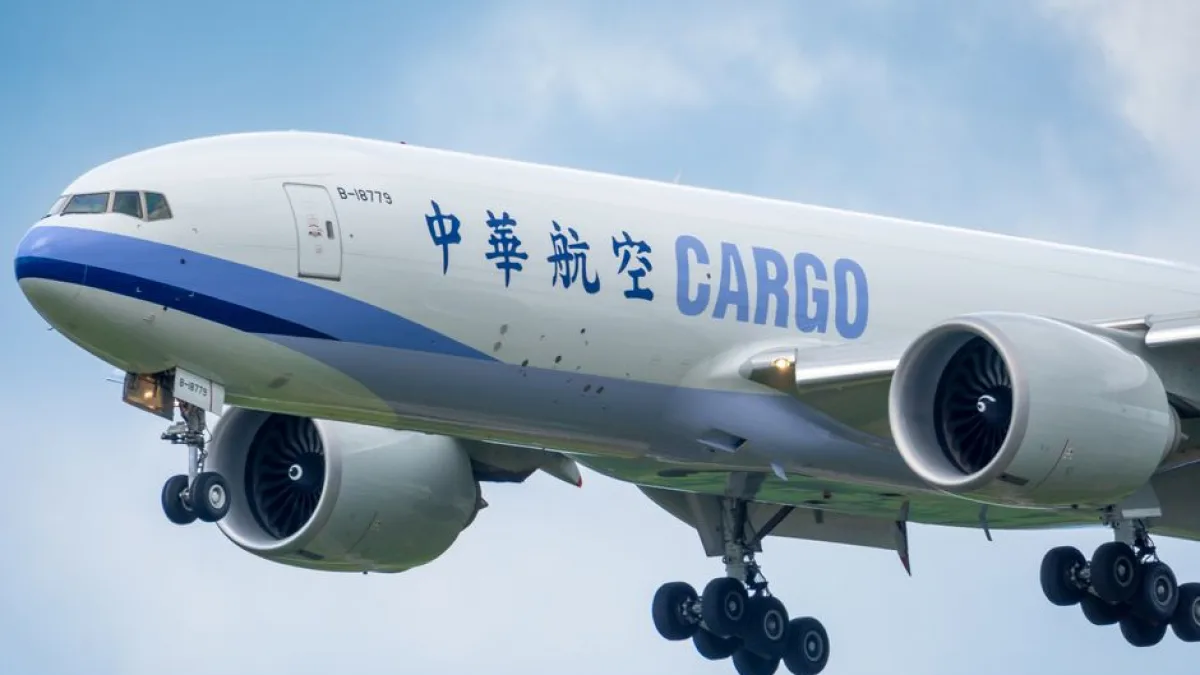
Providing accurate shipment tracking builds trust with clients and minimizes unnecessary status inquiries. Cloud software offers deep insights into the movement of goods from the warehouse floor to the final destination airport, ensuring stakeholders stay informed throughout the process.
- Live Status Updates: Monitor your air cargo in real time through an integrated dashboard that displays precise location data from departure to final delivery at the airport.
- Proactive Delay Alerts: Receive automated notifications if a flight schedule changes so that your team can proactively communicate with consignees to manage their expectations regarding arrival times.
- Detailed Milestone Tracking: Track every critical event in the lifecycle of the shipment, from pickup and warehousing to flight takeoff and customs clearance completion status updates.
- Enhanced Client Portals: Give your customers direct access to a branded portal where they can view shipment details without needing to call your customer service department.
Visibility serves as the backbone of modern freight forwarding services and client retention strategies. By removing the guesswork from your logistics operations, you demonstrate a level of professionalism that sets your brand apart in a crowded market. When customers feel confident in your ability to track their goods accurately, they are more likely to return for future air freight shipping requirements.
Optimizing Customs Compliance

Managing complex international customs regulations requires precision to avoid heavy fines or shipping delays. Digital freight platforms help simplify this burden by ensuring that all regulatory paperwork is accurate and submitted to the relevant authorities well before arrival.
- Automated Document Verification: Use intelligent software features to flag potential errors in your customs declarations, such as incorrect commodity codes or missing details on airway bills.
- Regulatory Update Integration: Stay informed about changing international trade laws and import requirements through software alerts that keep your compliance team updated on regional rule variations.
- Secure Data Storage: Maintain an audit trail of all electronic communications and filed documents in a secure environment to simplify future compliance checks or customs audits.
- Integrated Customs Filing: Connect your freight software directly to local customs portals to submit filings electronically, reducing processing times and avoiding manual input errors during transit.
Adhering to strict international trade protocols is essential for avoiding costly disruptions in the air freight supply chain. By embedding compliance checks into your standard workflows, you protect your business reputation and minimize the risk of cargo being held at airport terminals. Effective management of these legal requirements ensures that your goods move across borders as efficiently as possible for your clients.
Managing Capacity and Capacity
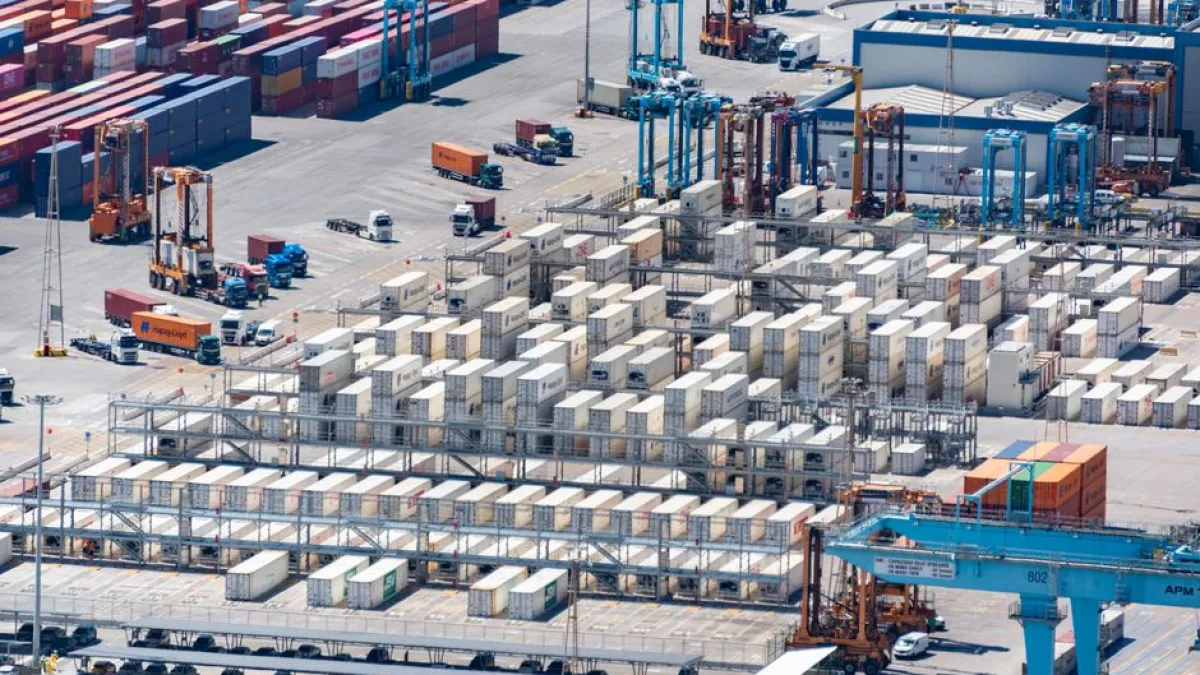
Predicting air cargo capacity fluctuations allows freight forwarders to negotiate better terms and maintain profitability. By analyzing historical data and market trends, your company can anticipate seasonal demand spikes and secure necessary space before the market becomes saturated with other shippers.
- Historical Trend Analysis: Leverage data analytics to identify recurring patterns in air freight volume, allowing you to prepare for peak seasons and manage resource allocation effectively.
- Supplier Performance Metrics: Evaluate your airline partners based on their on time performance and capacity reliability to ensure you work with the most dependable carriers available.
- Dynamic Pricing Insights: Monitor market rates to make strategic decisions on when to book cargo, ensuring your margins remain healthy even during periods of high demand.
- Scalable Resource Planning: Use cloud based resource management tools to adjust your staffing and fleet requirements based on anticipated cargo volumes during different times of year.
Success in air freight relies on your ability to remain flexible when market conditions change. Having access to actionable insights allows your team to pivot their strategy based on hard data rather than intuition. This strategic approach to capacity management ensures that you remain a reliable partner for your clients, capable of delivering their air freight shipments despite external market pressures.
Conclusion

Mastering air freight logistics requires a combination of technology and strategic foresight. By adopting cloud based solutions, freight forwarders can optimize every stage of the shipping journey from booking to delivery. As your operations become more efficient, your ability to serve clients grows, leading to long term business success. Start your digital transformation today to secure your future in the logistics industry.