Optimizing Air Freight Operations with Modern Cloud Technology
Wednesday, September 23 2026

Global logistics demand speed and precision, making air freight the preferred choice for high-value and time-sensitive shipments. As market volatility increases, freight forwarders must transition from manual processes to integrated digital solutions to maintain their competitive edge. Leveraging cloud-based platforms allows companies to manage complex air cargo documentation, real-time tracking, and capacity planning with unprecedented accuracy. By centralizing operations, professionals can reduce administrative burdens and focus on providing superior customer experiences. This transformation is not just a technological upgrade but a strategic imperative for any modern freight forwarding business aiming to scale effectively in today's fast-paced international market.
Streamlining Documentation Workflow

Managing air waybills and customs paperwork requires extreme attention to detail to avoid costly shipping delays. Digital platforms automate data entry and validation, ensuring that every document meets international aviation compliance standards while drastically reducing the time spent on manual file processing.
- Automated Data Entry: Cloud software extracts information from invoices and packing lists directly into forms, significantly lowering human error rates during the critical high-volume air cargo booking process.
- Compliance Tracking Tools: Integrated systems automatically verify documents against current international aviation regulations, preventing shipments from being held up by minor clerical errors or incomplete custom declaration records.
- Cloud-Based Storage: Centralizing all shipping documents in a secure digital repository allows teams to access essential files from any location, improving overall operational transparency and staff productivity.
- Instant Status Updates: Real-time notifications ensure that both internal teams and end customers receive automatic alerts whenever document status changes, creating a smoother and more reliable logistics workflow.
Adopting digital documentation standards eliminates the bottleneck of paper-heavy workflows that often plague traditional freight forwarding companies. By leveraging cloud technology, your team can achieve faster clearance times and fewer disputes with customs authorities. This transition provides a scalable foundation for growth, allowing your staff to focus on high-level logistics strategy rather than mundane tasks that drain operational energy and resources.
Enhancing Real-Time Cargo Visibility
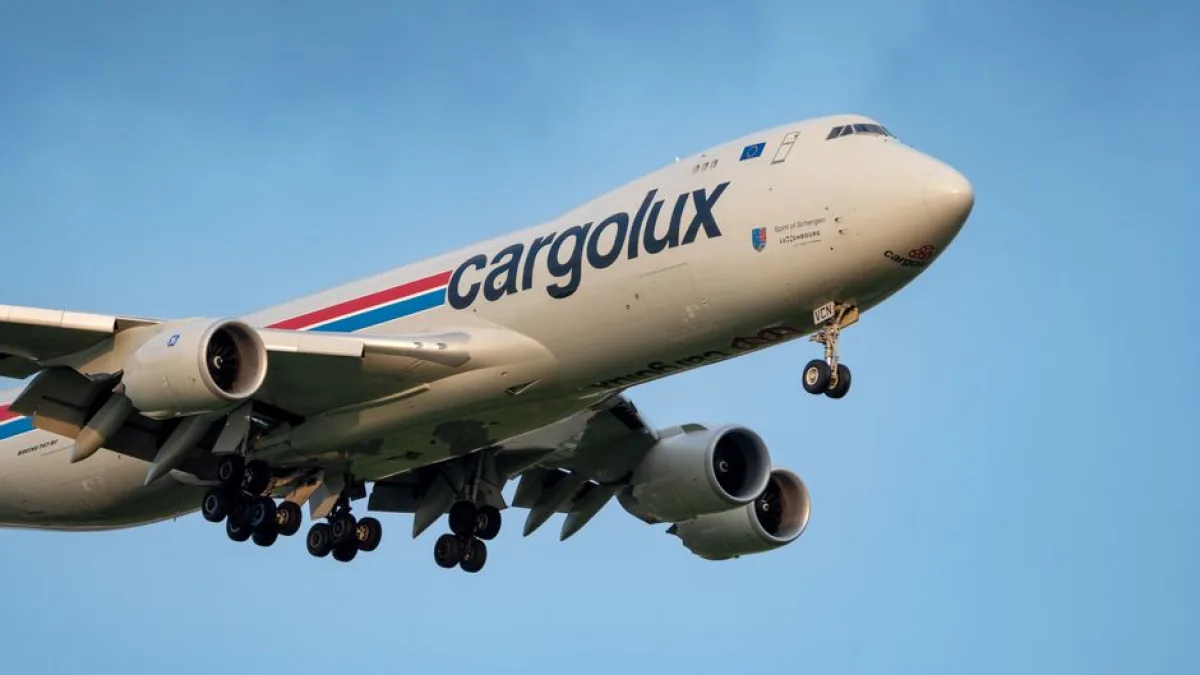
Visibility is the backbone of modern freight forwarding services and client satisfaction. Implementing advanced tracking technology enables forwarders to provide precise status updates, giving customers confidence that their sensitive air cargo is monitored throughout the entire journey from airport to airport.
- Live Shipment Tracking: Modern cloud platforms provide continuous updates on aircraft positions and status, ensuring that logistics managers always know the exact location of high-value freight items.
- Proactive Problem Solving: Early detection systems notify teams of potential flight delays or weather disruptions, allowing for quick adjustments to transit schedules before issues impact the end customer.
- Client Portal Access: Providing customers with secure access to their shipment data increases trust and reduces the volume of repetitive inquiries sent to your internal support teams.
- Customized Reporting Tools: Analytics dashboards offer deep insights into carrier performance and transit times, helping forwarders negotiate better rates and improve long-term service delivery for their clients.
Transparent tracking builds lasting relationships with clients who demand accountability in every phase of their supply chain. When you provide accurate, real-time data, you position your firm as a reliable partner in a volatile industry. This level of service excellence becomes a significant differentiator, helping you attract more business and retain existing clients by consistently meeting their expectations for transparency and speed.
Managing Capacity and Carrier Relations
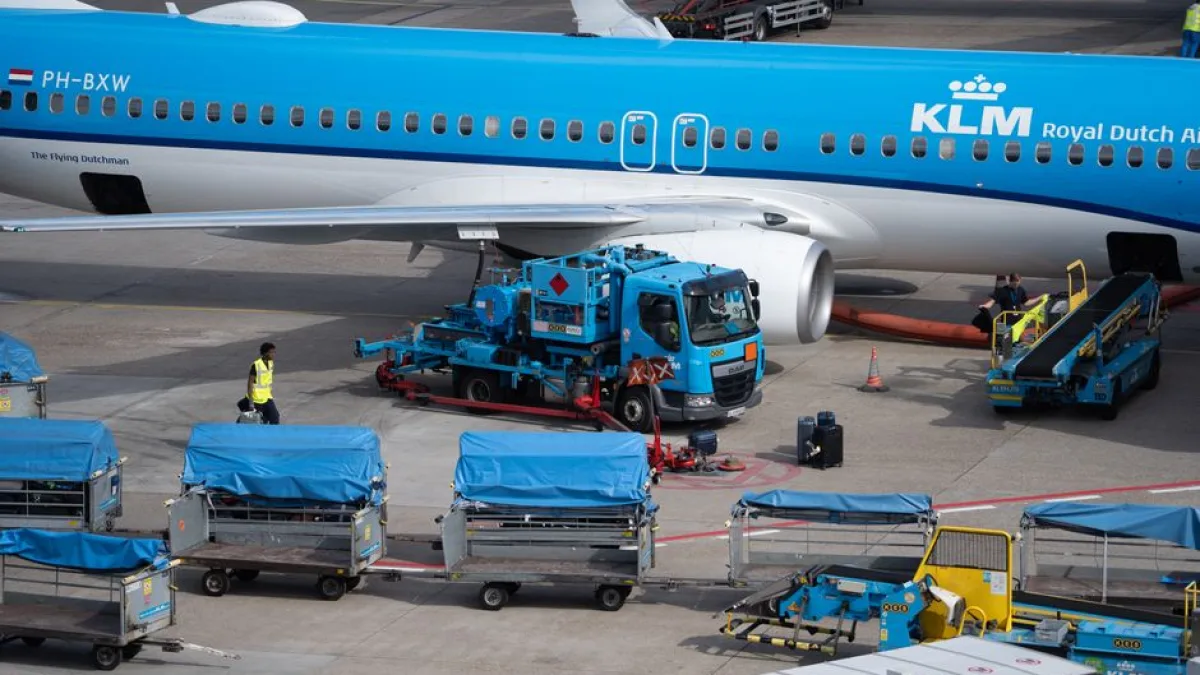
Securing reliable air freight capacity requires strong relationships and efficient management of space allocations. Cloud platforms provide the data needed to track capacity availability and carrier performance, enabling forwarders to optimize their booking strategies even during peak seasonal demand periods.
- Capacity Utilization Tracking: Advanced software monitors available space across multiple airlines, allowing you to secure the best rates while ensuring your cargo moves according to the original schedule.
- Carrier Performance Audits: Systematic collection of data on transit reliability and cost helps you choose the most effective partners for specific trade routes and urgency requirements.
- Optimized Booking Flows: Streamlined interfaces make it simple to compare quotes from various carriers in seconds, ensuring you select the best combination of cost and transit time.
- Demand Forecasting Tools: Predictive analytics allow managers to anticipate peak periods, enabling proactive capacity booking to avoid price spikes and space shortages common in global air logistics.
Strong carrier management is essential for maintaining consistent service levels when market capacity fluctuates. By using centralized software, you gain a birds-eye view of your logistics network and partner performance. This data-driven approach allows for smarter decision making, ensuring that you can always deliver on your promises to customers, even during challenging global trade conditions where air freight availability is highly constrained.
Improving Operational Cost Efficiency

Profit margins in the air freight industry can be thin, necessitating rigorous control over operational expenditures. Integrating financial management with logistics platforms allows companies to track expenses per shipment and identify opportunities for cost savings across their entire air freight forwarding business.
- Real-Time Margin Analysis: Automatically calculate the profitability of each individual shipment by comparing air freight rates against total operational costs, ensuring your pricing strategy remains competitive today.
- Automated Billing Processes: Digital invoicing reduces the administrative overhead associated with manual finance tasks, accelerating the cash flow cycle and improving overall liquidity for your freight company.
- Expense Management Modules: Tracking auxiliary costs like handling fees or fuel surcharges helps you maintain tight control over your budget and prevents unexpected losses on complex air shipments.
- Integration With Accounting: Seamless connectivity with modern cloud accounting software ensures that financial data is synchronized across all departments, reducing the need for double entry or reconciliation.
Maximizing financial efficiency allows freight forwarders to invest more in technology and talent, fueling further business development. By automating the financial side of your air freight operations, you remove human error and speed up invoice processing times significantly. This discipline creates a leaner organization capable of adapting to market shifts while maintaining healthy profitability, which is essential for long-term viability in logistics.
Conclusion

Transforming your air freight operations with cloud technology is the most effective way to stay ahead of industry demands. By prioritizing documentation accuracy, visibility, and financial control, your freight forwarding business can achieve new levels of success and efficiency. Start integrating these modern digital tools into your daily workflow today to build a more resilient and profitable logistics operation for the future.