Optimizing Air Freight Operations with Advanced Cloud Technology
Saturday, October 24 2026

The global air freight industry remains a pillar of modern logistics, providing unmatched speed and reliability for time-sensitive cargo. However, managing complex international shipments requires precision, real-time visibility, and seamless communication between stakeholders. As volatility in market rates and capacity constraints become the new normal, forwarders must move beyond legacy systems. Leveraging cloud-based platforms allows your team to automate manual processes, mitigate human error, and gain actionable insights into every lane. By integrating digital workflows into your daily operations, you can enhance operational efficiency, reduce overhead costs, and provide superior service levels that keep your clients coming back for more.
Digital Transformation in Logistics

Modern cloud software serves as the central nervous system for your air freight operations. By digitizing documents and automating status updates, companies eliminate redundant data entry. This transition ensures that your team remains focused on high-value logistics challenges rather than administrative tasks.
- Automated Data Entry: Cloud platforms utilize optical character recognition to ingest shipping documents instantly, reducing manual typing errors and accelerating the processing time for complex house air waybills significantly.
- Centralized Documentation Storage: Access every critical shipping document from a single secure portal, ensuring that your global team stays aligned and compliant throughout the entire life cycle of cargo.
- Real-time Visibility Dashboards: Gain an immediate overview of your current active shipments, allowing you to proactively manage exceptions and provide clients with accurate, up-to-the-minute tracking information throughout transit.
- Improved Team Collaboration: Internal messaging features embedded within shipping files facilitate better communication between your operations staff and overseas agents, preventing costly misunderstandings or delays during the transport process.
Transitioning to a digital-first approach is no longer optional for firms aiming to maintain a competitive advantage. When your systems communicate effectively, your operations run smoother, and your bottom line improves. By centralizing your workflow, you unlock the ability to scale your business without increasing your administrative headcount. Embrace the digital shift today to ensure your air freight department stays agile and responsive.
Streamlining Capacity Management
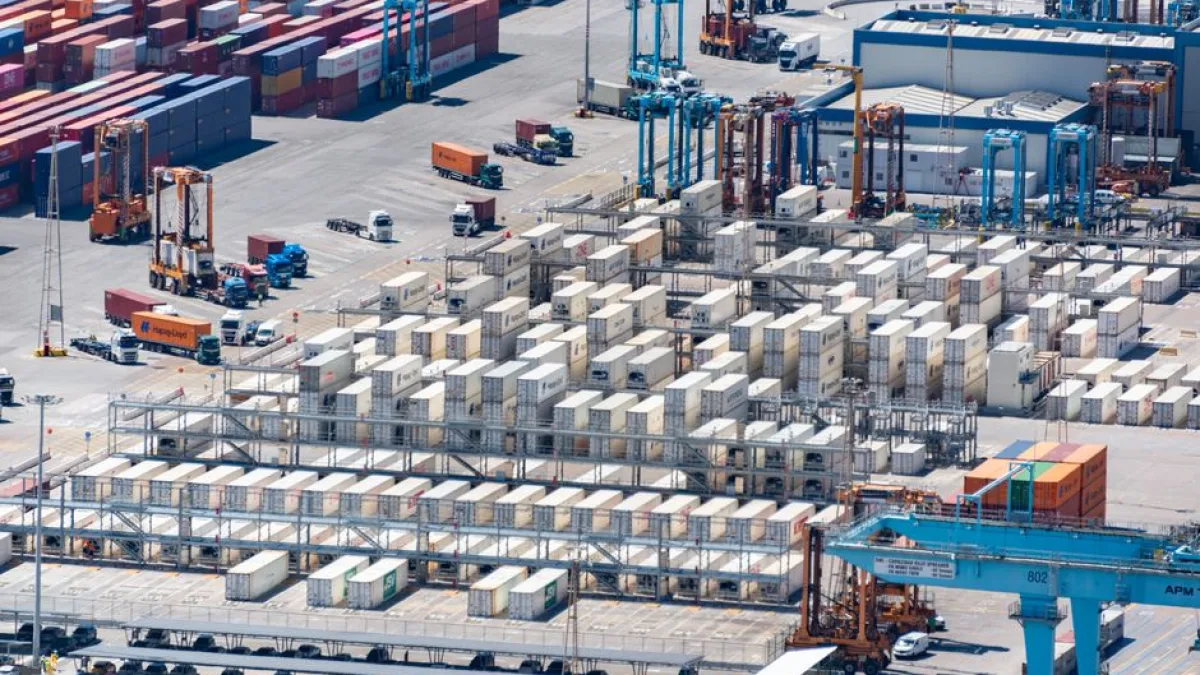
Securing reliable air cargo capacity is a constant struggle in today's unpredictable global market. Forwarders need precise tools to manage space allocations and avoid overbooking mistakes. Smart software solutions provide the necessary visibility to optimize your capacity usage across all partners.
- Dynamic Capacity Tracking: Monitor available space across multiple airline partners in one integrated screen, ensuring that you never miss an opportunity to secure high-demand slots for your clients.
- Automated Booking Requests: Send standardized booking requests directly to your airline carriers from the platform, reducing the back and forth via email and securing confirmation much faster than manual methods.
- Predictive Rate Analysis: Utilize built-in analytics to forecast rate trends based on historical data, helping your sales team quote accurately and maintain healthy margins during seasonal demand spikes.
- Optimized Load Consolidation: Use advanced algorithms to group shipments together efficiently, maximizing your space utilization on each flight and lowering the unit cost for your valued shipping customers.
Effective capacity management is the backbone of a successful air freight business model. By utilizing intelligent software to track availability, you can avoid the costly consequences of missed connections and unused space. These tools turn raw data into strategic assets, enabling your team to make smarter booking decisions. Staying ahead of market trends and capacity changes ensures your business remains resilient and highly profitable.
Enhancing Customer Communication

Clear communication is the primary metric by which clients judge your performance as a freight forwarder. Providing automated, white-labeled notifications keeps your customers informed without requiring manual intervention from your team, effectively elevating your brand's reputation through reliable digital service.
- Customized Status Alerts: Trigger automated email notifications to your clients at key milestones, such as flight departure or arrival, keeping them updated without taking time away from your desk.
- White-labeled Client Portal: Provide your customers with a branded web interface where they can track their own shipments, view invoices, and download proof of delivery documents independently.
- Simplified Document Sharing: Allow clients to upload and download required shipping paperwork through a secure link, minimizing the risk of email attachments being lost or intercepted by external parties.
- Proactive Issue Resolution: When delays occur, your system can automatically notify the client with the latest updates, fostering trust and transparency even during the most difficult transit scenarios.
Exceptional client experiences are built on transparency and speed. When you provide your customers with direct access to their shipment data, you reduce the volume of inbound inquiries, freeing up your team to focus on growth. This level of service builds long-term loyalty and positions your brand as a professional leader in the freight industry, making your business the preferred choice for shippers.
Ensuring Regulatory Compliance

Navigating the complex landscape of international aviation regulations requires constant diligence and precision. Automated compliance checks within your software ensure that all shipment declarations are accurate, reducing the risk of fines, shipment delays, or legal issues during the customs clearance process.
- Automated Compliance Audits: The system runs built-in checks against restricted party lists and security regulations, ensuring that every shipment meets international safety standards before the cargo reaches the airport.
- Digital Customs Filing: Integrate your software directly with local customs authorities to file declarations electronically, which speeds up the release process and minimizes the chance for human documentation errors.
- Audit Trail Logging: Maintain a permanent, immutable record of every document version and status change, which is essential for surviving external audits and demonstrating high operational standards to regulators.
- Standardized Regulatory Templates: Use pre-built templates for all required international shipping forms, ensuring that your documentation is always formatted correctly and compliant with the latest airline or customs requirements.
Regulatory compliance is a critical aspect of risk management that cannot be overlooked. By integrating automated checks into your standard operating procedures, you protect your company from unnecessary penalties and reputational damage. Robust digital systems provide the peace of mind that every shipment is handled according to global best practices. Consistent compliance builds your reputation as a trusted, reliable partner for international freight.
Conclusion

Adopting advanced cloud-based software transforms your air freight operations from a manual burden into a strategic asset. By embracing automation, improving visibility, and ensuring compliance, you provide unmatched value to your clients. Start your journey toward operational excellence today by upgrading your digital infrastructure with MakeCargo. Your team deserves a platform that works as hard as they do, ensuring long-term success in logistics.