Optimizing Air Freight Operations with Digital Logistics Platforms
Tuesday, September 15 2026
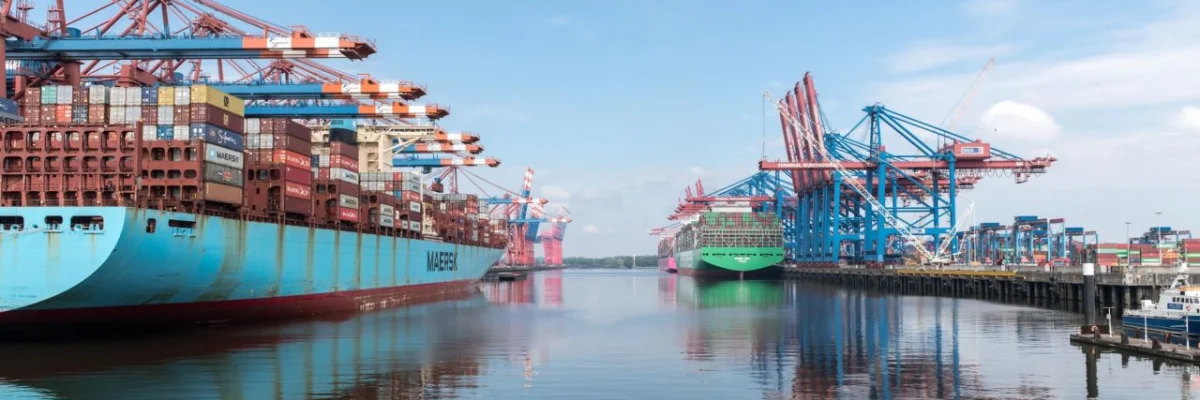
Air freight remains the heartbeat of global supply chains, offering unparalleled speed for time-sensitive cargo. As markets become increasingly volatile, forwarders must move beyond manual processing to maintain a competitive edge. Modern cloud-based platforms provide the digital infrastructure required to manage complex air logistics with precision and transparency. By leveraging real-time data, freight forwarders can reduce operational overhead, minimize human error, and provide clients with reliable service levels. Embracing digital transformation is no longer a luxury but a strategic necessity for firms aiming to scale efficiently while navigating the demanding requirements of modern high-speed global trade routes and operations.
Streamlining Booking Processes

Digital transformation starts by replacing legacy communication methods with automated booking workflows. Cloud platforms simplify complex rate management and airline availability checks, allowing your team to secure capacity in seconds rather than hours, ultimately driving efficiency across all your booking departments.
- Automated rate management: Centralize all airline pricing data within a single interface to ensure your team always accesses the most accurate and competitive rates for every specific shipment request.
- Instant capacity checks: Utilize integrated APIs to verify airline availability in real time, removing the need for repetitive manual emails or phone calls to verify space for cargo.
- Simplified booking workflows: Standardize the booking process across your entire organization to reduce onboarding time for new staff and ensure consistency for your valued long term clients.
- Error reduction strategies: Eliminate data re-entry tasks by automatically syncing booking details from your portal directly to airline systems, significantly reducing the risk of costly clerical input errors.
Transitioning to automated booking processes changes the way your operations team functions daily. Instead of spending time on repetitive data entry, your staff can focus on high value tasks such as customer relationship management and exception handling. This shift not only improves internal productivity but also directly enhances the experience provided to your customers, who appreciate the speed, accuracy, and professional transparency of digital freight solutions.
Enhancing Real Time Visibility

Visibility is the primary expectation of today's shippers who demand constant updates on their high value goods. Advanced tracking tools provide end to end oversight, ensuring that every shipment is accounted for from the initial warehouse pickup to final delivery.
- Live milestone updates: Provide your clients with automated status notifications triggered by real time events, ensuring they always have the latest information regarding their active air freight shipments.
- Proactive delay alerts: Receive immediate notifications for potential schedule disruptions or weather delays, allowing your team to communicate effectively with clients and offer alternative logistics routing solutions.
- Integrated document access: Host all airway bills and customs documentation in a secure cloud environment, providing instant access to critical paperwork for all authorized internal project stakeholders.
- Transparent shipment tracking: Offer a branded customer portal where shippers can monitor their air cargo journey independently, reducing the volume of inbound status inquiries handled by support.
Implementing a comprehensive visibility solution builds long term trust between you and your customers. By proactively sharing information, you position your firm as a transparent partner that prioritizes clear communication over hidden processes. This level of service differentiates your brand in a crowded market, helping you retain clients while justifying premium service pricing based on the tangible reliability you consistently provide to them.
Optimizing Warehouse Throughput

Warehouse efficiency directly impacts air freight turnaround times and overall profitability. Modern software tools organize inventory and palletization processes, ensuring that cargo is processed quickly and accurately to meet strict airline cutoff times for scheduled international cargo flight departures.
- Efficient pallet planning: Utilize smart software algorithms to calculate optimal pallet arrangements, maximizing space utilization for every flight and reducing overall shipping costs for your enterprise clients.
- Digital warehouse records: Replace paper manifests with digital inventory logs that track every piece of cargo, facilitating faster scanning and verification during the critical airport drop off.
- Automated cutoff monitoring: Set intelligent alerts for airline cutoff times to ensure that your warehouse operations team consistently hits deadlines, avoiding missed flights or costly late fees.
- Inventory tracking precision: Maintain accurate counts of all incoming and outgoing goods through automated scanning, which prevents inventory discrepancies and ensures a seamless flow of air freight.
Optimized warehouse workflows serve as the backbone of successful air freight operations. When your facility operates with precision, you avoid the bottlenecks that frequently lead to missed connections and shipment delays. Investing in digital warehouse management tools pays dividends by lowering labor costs and increasing the total volume of cargo your team can process daily without sacrificing the quality or safety of service.
Managing Compliance and Documentation

Navigating the complex landscape of international customs and compliance requires rigorous attention to detail. Digital document management systems ensure that every required piece of paperwork is correctly prepared, filed, and stored to prevent costly hold ups at international border crossings.
- Standardized document generation: Use pre-filled templates that pull data from existing shipment files to create accurate airway bills and commercial invoices, eliminating the risk of human error.
- Customs data validation: Implement automated checks that verify required data fields against specific country regulations, catching potential compliance issues before the cargo reaches the airport loading bay.
- Secure cloud storage: Keep all historical shipping documents archived in a secure, searchable database that makes future audits or record retrieval processes incredibly fast and entirely stress free.
- Regulatory update tracking: Utilize software updates to stay current with changing international trade laws, ensuring your business remains compliant even as customs requirements evolve across various global regions.
Digital compliance management is essential for protecting your business from the risks associated with improper documentation. By centralizing your customs workflows, you gain peace of mind knowing that your shipments are less likely to encounter detention or inspection delays. This proactive approach to documentation accuracy not only protects your bottom line but also enhances your reputation as a reliable and compliant air freight professional.
Conclusion
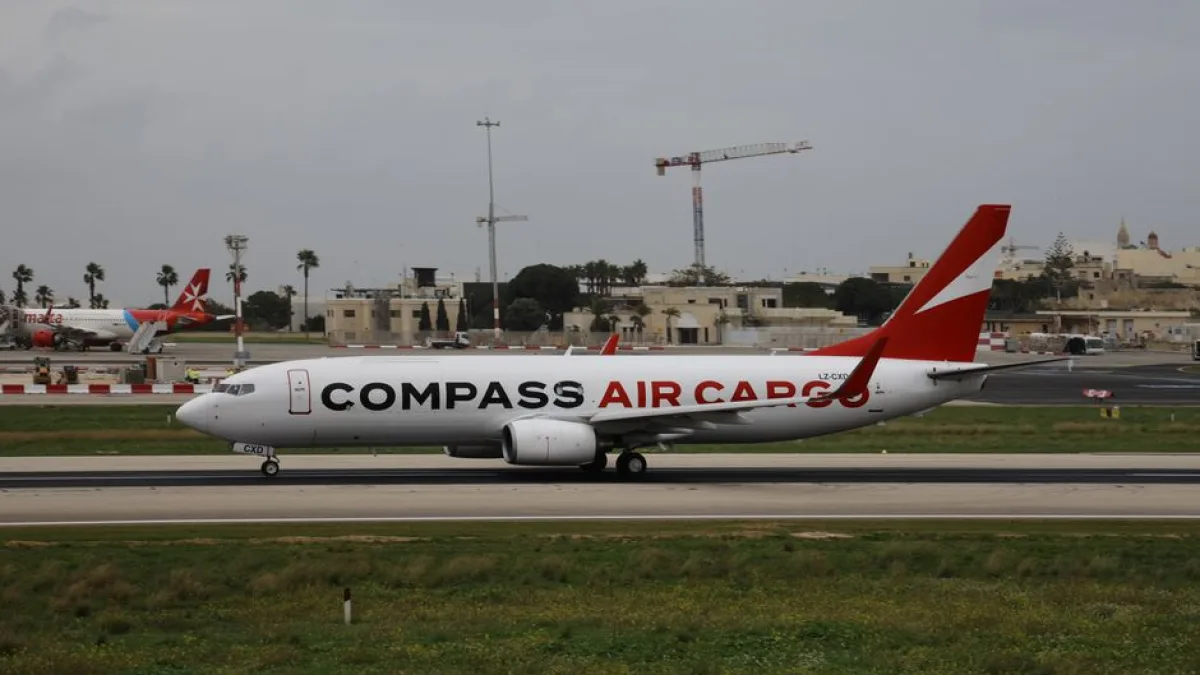
Successful air freight logistics requires the seamless integration of technology into every stage of the shipment lifecycle. By embracing digital booking, visibility, warehouse management, and compliance tools, your freight forwarding firm can achieve greater efficiency and provide superior service. Start modernizing your operations today to ensure your company remains agile, scalable, and fully prepared for the future challenges of the global air cargo industry.