Optimizing Air Freight Operations with Modern Digital Solutions
Wednesday, July 22 2026
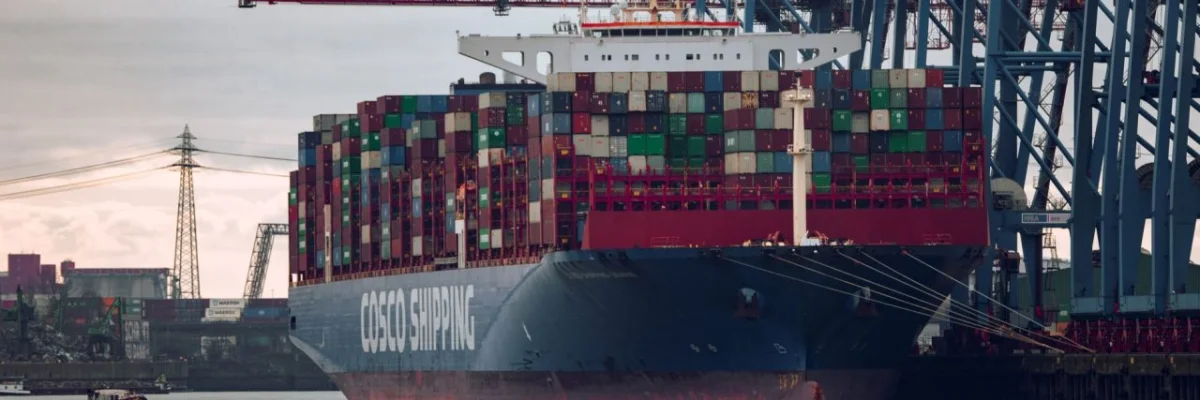
The global air freight industry stands at a critical juncture where speed and precision define market leadership. As supply chains grow more complex, freight forwarders must transition from legacy manual processes to integrated digital ecosystems. This shift is not merely about digitizing paperwork but about unlocking actionable intelligence that empowers teams to make faster, data driven decisions. By leveraging cloud based platforms, forwarders can enhance transparency, reduce operational bottlenecks, and provide superior service levels to their clients. Embracing these technological advancements ensures that your organization remains competitive while successfully navigating the unpredictable nature of modern international logistics and time sensitive air cargo demands.
Streamlining Booking Processes

Digital transformation starts by replacing manual booking requests with automated workflows that connect directly with airline capacity systems. This creates a seamless bridge between forwarders and carriers, significantly reducing the time spent on repetitive data entry and verification tasks during daily operations.
- Automated capacity search: Real time access to airline schedules and rates allows logistics teams to compare options instantly and secure space without waiting for lengthy email responses from commercial carriers.
- Instant quote generation: Digital tools enable forwarders to produce accurate customer quotes within seconds, accounting for weight, dimensions, and current fuel surcharges to ensure maximum profitability on every shipment.
- Unified documentation portal: Centralizing all booking confirmations and shipping documents in one accessible location prevents common data discrepancies and ensures that every stakeholder views the most current shipment information.
- Workflow status tracking: Automated notifications keep your team and clients updated at every step, reducing the volume of inbound inquiries and allowing staff to focus on high value logistics tasks.
By automating these foundational booking processes, freight forwarders minimize the risks associated with human error and communication delays. This increased efficiency allows your staff to manage a higher volume of shipments without increasing administrative overhead. Ultimately, moving to an automated booking model provides the agility required to thrive in a fast paced air freight environment where every second counts for the customer.
Enhancing Real Time Tracking

Visibility is the backbone of modern freight forwarding, and clients now expect granular tracking updates for their air cargo shipments. Advanced software solutions provide the tools necessary to monitor assets from the warehouse floor until the final delivery at the destination.
- End to end visibility: Comprehensive tracking modules integrate with carrier APIs to provide live updates on shipment status, ensuring that potential delays are identified and addressed before they impact schedules.
- Proactive exception management: Advanced analytics detect anomalies in the transit process early, allowing forwarders to communicate transparently with clients and provide alternative routing solutions to maintain supply chain flow.
- Custom client dashboards: Offering branded portals allows your clients to monitor their own cargo status independently, which builds long term trust and reduces the pressure on your internal support teams.
- Milestone based notifications: Triggered alerts keep all interested parties informed whenever a shipment hits a key checkpoint, such as arriving at the airport or clearing customs, improving overall project coordination.
Proactive tracking is no longer an optional luxury but a core service expectation for international freight forwarders today. By offering this level of insight, your firm establishes a reputation for reliability and professionalism. Leveraging real time data effectively transforms the customer experience, turning standard shipping logistics into a value added partnership that encourages repeat business and secures your firm's position in the market.
Optimizing Customs Compliance

Managing complex customs requirements for air freight demands absolute precision to avoid heavy penalties or shipment delays. Digital platforms simplify this process by pre validating documentation against international regulatory standards before goods even reach the airport terminal for loading.
- Integrated compliance checks: Intelligent software scans shipping documents for common errors and missing information, ensuring that your declarations meet local and international aviation security standards without requiring extensive manual reviews.
- Digital document archiving: Secure cloud storage provides easy access to historical customs records, making it simple to retrieve necessary paperwork during audits or when verifying past shipment details for clients.
- Automated duty calculation: Built in logic engines calculate accurate duties and taxes based on the destination and commodity type, reducing the risk of financial discrepancies and unexpected costs for shippers.
- Regulatory update alerts: Automated systems track changes in global trade laws and provide timely updates to your team, ensuring that all customs processes remain aligned with current international cargo regulations.
Mastering the complexities of customs compliance requires the right technological infrastructure to support your team. By reducing manual filing burdens, your staff can focus on managing specialized shipments and complex logistics challenges. This shift minimizes the downtime caused by documentation errors, ensuring that air freight moves across borders smoothly and contributes to a reliable and efficient global supply chain for all clients.
Leveraging Data Analytics

The true power of modern freight software lies in its ability to synthesize large volumes of data into actionable business intelligence. By analyzing historical shipping patterns and carrier performance, freight forwarders can optimize their procurement strategies and identify new opportunities for growth.
- Carrier performance metrics: Detailed reports track airline reliability and transit times, helping you make informed decisions when selecting partners for critical shipping lanes to maintain your service quality standards.
- Cost analysis tools: Identifying hidden trends in spending allows you to optimize your procurement budget and negotiate better volume rates with core carriers, directly impacting your company bottom line performance.
- Predictive demand forecasting: Analyzing seasonal shipping volumes enables your team to anticipate peak periods and plan capacity requirements in advance, ensuring that you always meet your clients' needs during busy months.
- Profitability per lane: Measuring the margin on specific shipping routes helps you identify which corridors provide the best returns, allowing you to focus your sales and operational efforts effectively.
Data driven insights provide the competitive edge necessary to navigate the volatile air cargo industry successfully. By moving beyond reactive operations, you can anticipate market changes and position your company to capitalize on new logistics trends. Investing in comprehensive analytics empowers your leadership team to make strategic decisions that drive sustainable growth, improve service quality, and maximize profitability in a crowded global marketplace.
Conclusion
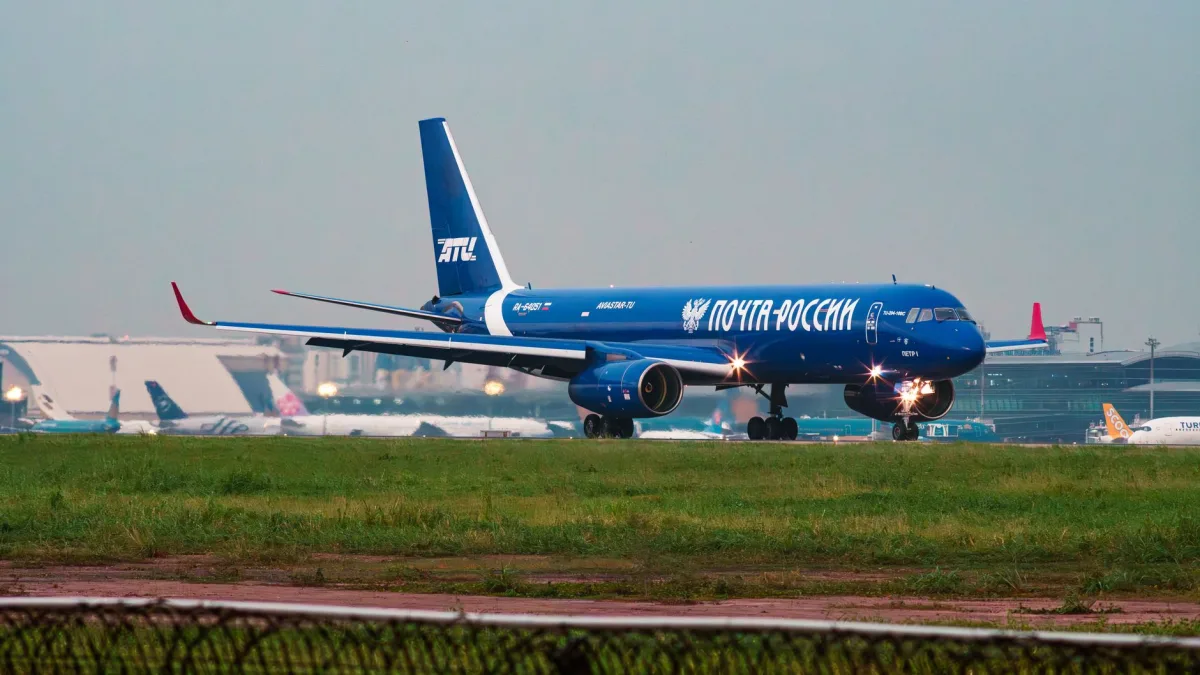
Adopting digital software is essential for freight forwarders aiming to scale their operations in the air cargo sector. By automating booking, improving visibility, simplifying compliance, and leveraging data, firms can achieve significant operational efficiency. Start your digital transformation today to reduce costs, enhance the customer experience, and remain at the forefront of the logistics industry. Partnering with the right platform is the key step.