Optimizing Air Freight Operations with Modern Cloud Technology
Saturday, September 19 2026

The rapid pace of global trade demands precision and speed that traditional manual methods simply cannot support. For freight forwarders, air cargo remains the most critical segment for time-sensitive shipments where every minute counts against tight delivery windows. Moving away from legacy spreadsheets and fragmented communications toward unified cloud-based platforms is no longer a luxury but a fundamental necessity for survival. By digitizing the entire air freight lifecycle, logistics providers can eliminate errors, improve transparency for shippers, and ultimately scale their operations. Embracing these advanced digital tools ensures your firm remains competitive in an increasingly complex international logistics landscape.
Streamlining Booking Processes

Modern booking interfaces allow forwarders to instantly compare rates and service levels across multiple airlines. This digital transition removes the need for lengthy manual emails and phone calls, ensuring that space is secured efficiently during the volatile peak demand periods.
- Automated rate searches: Access real-time pricing data from global carriers to quickly identify the most cost-effective and fastest routes for your high-priority cargo shipments without constant manual verification.
- Instant capacity confirmation: Leverage direct digital integrations with airline systems to receive immediate confirmation of cargo space, significantly reducing the downtime traditionally associated with booking air freight shipments.
- Standardized data entry: Utilize centralized input forms that automatically populate required documentation, minimizing the potential for human error and ensuring compliance with international air transport regulations every time.
- Real-time status tracking: Provide your clients with immediate access to shipment updates through a unified portal, eliminating the need for frequent manual status check requests and updates.
Transforming the way your team handles bookings will drastically reduce the administrative burden on your staff. By automating these repetitive tasks, your operations team can focus their energy on managing exceptions and building stronger relationships with high-value clients. This shift not only improves operational efficiency but also provides a much better experience for the end shipper who expects consistent and transparent service.
Enhancing Documentation Compliance

Global air freight regulations are becoming increasingly strict regarding documentation accuracy and submission speed. Digital platforms ensure that every electronic airway bill is validated against carrier requirements before submission, preventing costly delays and penalties at major international airports.
- Pre-validation checks: Run automated compliance scans on all shipping documents to ensure they meet the specific requirements of destination countries and carrier protocols before formal electronic submission.
- Digital signature integration: Implement secure electronic signature workflows to expedite the approval of commercial invoices and packing lists, ensuring that your air freight shipments move without disruption.
- Automated customs filing: Connect your documentation directly to customs authorities through integrated systems that streamline the clearance process and reduce the risk of hold-ups at borders.
- Secure document archiving: Store all essential transit documents in a centralized cloud vault that provides easy access for audits, disputes, or future reporting needs for your clients.
Adopting digital document management is a strategic move that saves time and prevents expensive mistakes. When documentation is handled automatically, your team avoids the common pitfalls of lost paperwork and incorrect data entry. This reliability builds trust with your airline partners and simplifies the entire customs process, leading to smoother handoffs and faster transit times for all your air freight shipments.
Improving Real-time Shipment Visibility

Clients today expect full visibility into their shipments from the warehouse floor to the final airport arrival. Utilizing cloud technology allows forwarders to provide live tracking updates, which effectively satisfies the increasing customer demand for total supply chain transparency.
- Integrated tracking modules: Consolidate data from multiple carrier APIs into a single dashboard that displays the current location and estimated arrival times for all active shipments.
- Proactive delay alerts: Receive automated notifications about potential weather disruptions or ground handling delays, allowing you to inform your clients before they reach out for updates.
- Predictive arrival insights: Use historical transit data provided by your software platform to calculate more accurate arrival estimates, helping your customers plan their inventory levels more effectively.
- Client portal access: Empower your customers by giving them a secure login to view their own tracking data, reducing the volume of status inquiries you receive.
Real-time visibility is the gold standard in modern logistics and acts as a key differentiator for freight forwarders. By offering a high level of transparency, you demonstrate professionalism and reliability to your partners. This capability not only improves customer satisfaction but also enables better operational decision-making, allowing your team to proactively handle problems before they escalate into larger issues for your shippers.
Scaling Operations Through Automation
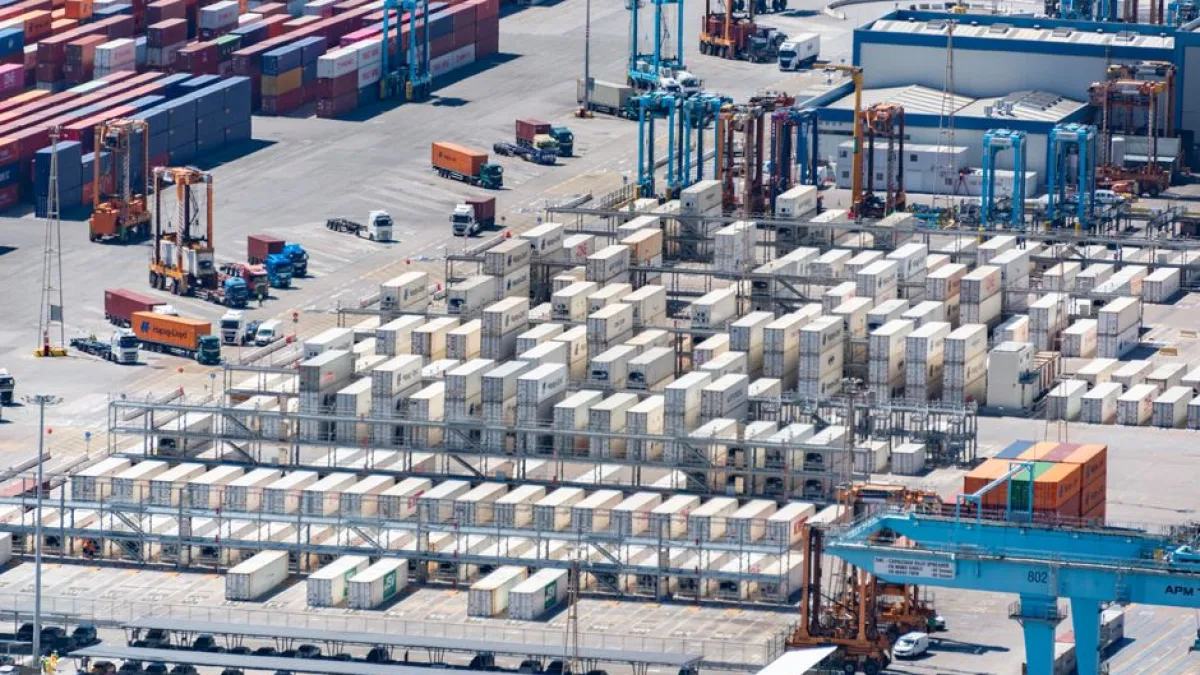
Automation is the foundation of growth for any forwarder looking to handle larger volumes without increasing overhead costs. By automating manual accounting and reporting tasks, cloud-based software enables your business to scale gracefully while maintaining high quality service standards.
- Automated billing cycles: Generate and send invoices to clients the moment a shipment is delivered, improving your cash flow and reducing the time spent on manual accounting.
- Customizable performance reports: Create detailed analytics reports on carrier performance and route profitability with a few clicks, helping you make data-driven decisions for future service selection.
- Multi-user task assignment: Direct specific documentation or operational tasks to appropriate team members automatically, ensuring that no shipment falls through the cracks during the busy season.
- Seamless software integrations: Connect your freight platform with existing accounting or CRM systems to create a unified data ecosystem that eliminates the need for manual data reconciliation.
Scaling your air freight operations requires a system that grows with your business. Automation handles the high-volume workload that would otherwise require additional personnel, allowing you to maximize profitability. As your logistics network expands, these automated processes ensure that your quality remains consistent across all routes. Investing in technology today prepares your freight forwarding company for the challenges of tomorrow in global trade.
Conclusion

Modernizing your air freight operations with cloud-based software is essential for staying relevant in the current global market. By leveraging automated booking, digital compliance, real-time tracking, and scalable workflows, forwarders can significantly enhance their efficiency and client service. Embracing these technological advancements will solidify your position as a forward-thinking leader in the logistics industry while driving sustainable growth for your entire organization.