Optimizing Air Freight Operations with Modern Digital Solutions
Monday, July 27 2026

The air freight industry remains a critical backbone for global trade, demanding speed, precision, and constant visibility. As global supply chains grow more complex, freight forwarders must transition from traditional manual processes to sophisticated, cloud-based digital platforms. By leveraging real-time data, automated documentation, and seamless communication across the logistics network, professionals can significantly reduce errors and improve overall delivery timelines. Embracing this technological shift is no longer just an optional upgrade for competitive advantage; it has become an essential requirement for maintaining operational excellence and meeting the increasing expectations of modern shippers operating in a fast-paced, volatile international marketplace.
Streamlining Booking Processes
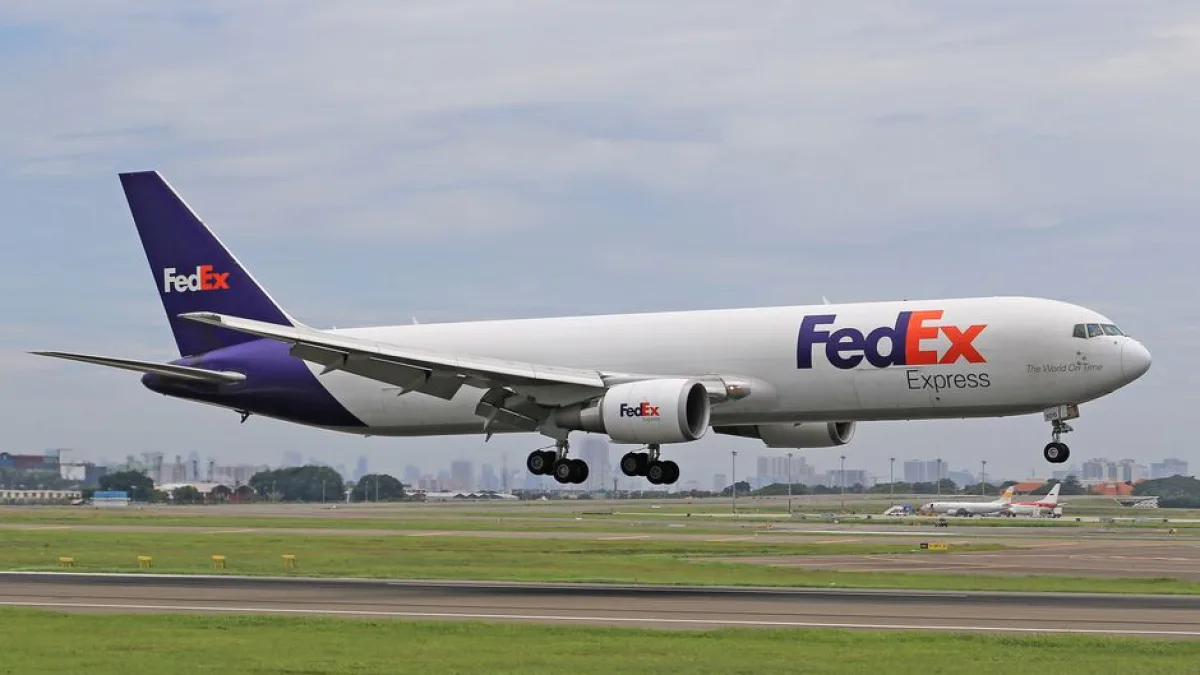
Digital platforms allow forwarders to compare rates and carrier availability instantly. By removing the need for manual inquiries and fragmented email threads, teams can process bookings with greater accuracy, ensuring that cargo moves swiftly from the warehouse to the tarmac without unnecessary delays.
- Instant Rate Retrieval: Access real-time pricing data from global airline partners, allowing your team to provide immediate quotes to clients while maintaining healthy margins throughout the procurement process.
- Automated Booking Requests: Generate and send electronic booking confirmations to carriers instantly, eliminating the potential for human error associated with manual data entry during high-volume shipping periods.
- Centralized Carrier Database: Manage all your carrier contacts and service level agreements within one secure digital environment, ensuring that your team always selects the most efficient route.
- Real-time Capacity Checks: View live updates on flight space and weight restrictions, enabling forwarders to secure space on essential routes before demand exceeds the available cargo capacity.
Digital booking platforms transform how forwarders interact with airlines, replacing outdated communication methods with streamlined interfaces. This shift minimizes administrative overhead and allows staff to focus on high-value tasks rather than repetitive data entry. When every second counts in air logistics, having the ability to secure space and finalize documentation instantly provides a distinct advantage that keeps your operations moving forward efficiently.
Automating Documentation Workflow

Complex customs regulations and air waybill requirements often lead to bottlenecks. Software solutions automate the generation and validation of essential shipping documents, ensuring compliance with international air transport standards while significantly reducing the time spent on repetitive manual paperwork tasks.
- Digital Document Generation: Automatically populate essential forms like air waybills and commercial invoices using information already stored in your system, which drastically reduces the risk of incorrect data.
- Customs Compliance Tools: Integrate regulatory checks into your workflow to ensure all shipments meet strict aviation security standards and destination customs requirements before the cargo leaves the facility.
- Cloud Storage Access: Maintain a centralized repository for all shipping documents that is accessible to authorized team members from any location, improving collaboration and internal reporting.
- Electronic Signatures: Facilitate faster document processing by utilizing secure digital signature workflows, allowing stakeholders to authorize critical paperwork without relying on physical transit or scanning.
By automating the documentation workflow, freight forwarders can effectively remove the administrative friction that typically plagues air cargo operations. Precise, error-free paperwork is the key to passing through customs gates without costly holds or inspection delays. Investing in intelligent software ensures that your documentation processes keep pace with the physical speed of your air freight shipments today.
Enhancing Shipment Visibility

Providing clients with live status updates is a core service expectation today. Advanced freight software utilizes tracking technology to offer granular visibility, allowing forwarders to proactively manage expectations and address potential issues long before they escalate into major customer service problems.
- Live Tracking Integration: Sync directly with airline tracking systems to provide your clients with accurate, up-to-the-minute updates regarding the current status and location of their air shipments.
- Proactive Milestone Alerts: Configure automated notifications for key milestones, such as cargo arrival at the airport or customs clearance, keeping your clients informed without manual follow-up.
- Exception Management Dashboards: Utilize specialized dashboards to monitor for delays or irregularities, allowing your team to intervene immediately when a shipment falls behind the scheduled delivery window.
- Client Portal Access: Empower your customers by providing them with secure access to a personal portal where they can view shipment details and progress reports at anytime.
Visibility is the primary currency of the logistics industry, as shippers demand total transparency throughout the cargo journey. By deploying robust tracking capabilities, you build stronger, more resilient relationships with your clients based on trust and reliability. Proactive communication becomes the norm, transforming how you handle shipment deviations and demonstrating your commitment to high-quality service in every single transaction.
Optimizing Financial Performance

Managing the financial aspect of air freight is complex due to fluctuating surcharges and currency rates. Modern cloud platforms provide sophisticated billing and accounting features that help forwarders track profitability on a per-shipment basis while maintaining accurate financial records.
- Real-time Profit Analysis: Calculate the margin on every individual air shipment by automatically accounting for carrier costs, local charges, and applicable currency exchange fluctuations during the billing.
- Integrated Invoicing Systems: Generate professional invoices quickly by pulling data directly from the shipment file, ensuring that billing is always accurate and dispatched to customers without delay.
- Automated Cost Auditing: Compare carrier invoices against initial quotes to identify discrepancies, enabling your accounting team to recover funds and prevent overpayments on frequent shipping routes.
- Custom Financial Reports: Create detailed reports on revenue trends and carrier performance, giving leadership the data necessary to make informed decisions regarding future business growth strategies.
Financial precision is essential for long-term viability in the competitive air freight market. Integrated accounting tools provide the oversight needed to manage costs effectively and capitalize on profitable shipping lanes. By automating the reconciliation process, your team gains valuable time to focus on strategic planning rather than manual accounting, ultimately driving higher profitability across your entire range of logistics services.
Conclusion

Modernizing your air freight operations through cloud-based software is the most effective way to scale your business while maintaining high service standards. By automating documentation, enhancing shipment visibility, and streamlining financial tasks, you position your firm for sustainable success in a demanding global market. Start integrating these advanced tools today to gain a significant competitive edge and exceed the expectations of your customers.