Optimizing Air Freight Operations with Modern Digital Solutions
Tuesday, August 4 2026

The global air freight industry currently faces unprecedented pressure to deliver speed and reliability while navigating complex logistical bottlenecks. Freight forwarders are tasked with managing volatile capacity, stringent regulatory requirements, and the constant demand for real-time visibility from clients. Leveraging cloud-based technology has become essential for firms aiming to maintain a competitive edge. By automating core processes and integrating data across the entire supply chain, companies can significantly reduce manual errors and operational downtime. This article explores how digital transformation empowers logistics professionals to master the complexities of air cargo, ensuring seamless global connectivity for businesses worldwide.
Enhancing Real-time Visibility

Modern visibility platforms offer an essential window into the movement of air cargo across global borders. By integrating tracking data directly into a unified dashboard, freight forwarders provide clients with precise status updates that build long-term trust and transparency.
- Live tracking updates: Automated systems push notifications to your dashboard as soon as a shipment reaches a milestone, allowing for proactive communication with customers regarding their sensitive global inventory.
- Carrier portal integration: Seamlessly sync your software with airline tracking systems to pull data automatically, eliminating the need to visit multiple websites for basic status checks on cargo.
- Predictive delay alerts: Advanced algorithms analyze weather patterns and airport congestion data to warn your team about potential disruptions before they actually impact your scheduled delivery time windows.
- Customer self-service portal: Provide your clients with a secure login to view their own shipment data, which drastically reduces the volume of repetitive status inquiry emails for staff.
- Global map visualization: Interactive digital maps allow operations teams to visualize the current location of all air shipments, enabling better resource allocation and smarter logistical decision making processes.
Achieving total visibility is not just about keeping the client happy, it is about data-driven decision making. When your team has access to accurate, instantaneous information, they can resolve issues before they escalate into costly delays. By moving away from manual status updates and spreadsheets, your firm saves precious time while fostering a reputation for reliability that will ultimately win more high-value freight contracts.
Automating Airway Bill Processing

The manual entry of air waybills often leads to costly errors and significant delays at busy transit hubs. Implementing automated documentation tools ensures that data flows seamlessly from your booking system to the airline, minimizing risks and administrative overhead.
- Smart data capture: Use intelligent software that extracts information from commercial invoices and packing lists automatically, ensuring that human entry errors are reduced to their absolute minimum levels today.
- Instant E-AWB generation: Streamline your workflows by generating electronic air waybills directly within your platform, which speeds up the customs clearance process at major international airports for efficiency.
- Compliance validation checks: Automatically cross-reference every document against the latest customs regulations to prevent common filing mistakes that lead to cargo seizure or heavy regulatory fines and penalties.
- Secure digital storage: Maintain a centralized and searchable repository of every airway bill ever processed, ensuring your team can access historical records instantly during future customs audits or reviews.
- Multi-language support: Automatically convert documentation into the required languages for different destination countries, ensuring smooth handovers between international carriers and local customs authorities without any translation delays occurring.
Reducing the manual workload involved in airway bill creation is a massive win for operational productivity. When your staff members are no longer burdened by repetitive typing and error correction, they can focus their energy on building relationships and acquiring new business. Investing in automation technology creates a scalable foundation for your company, allowing you to process more shipments with fewer total errors.
Optimizing Capacity Management
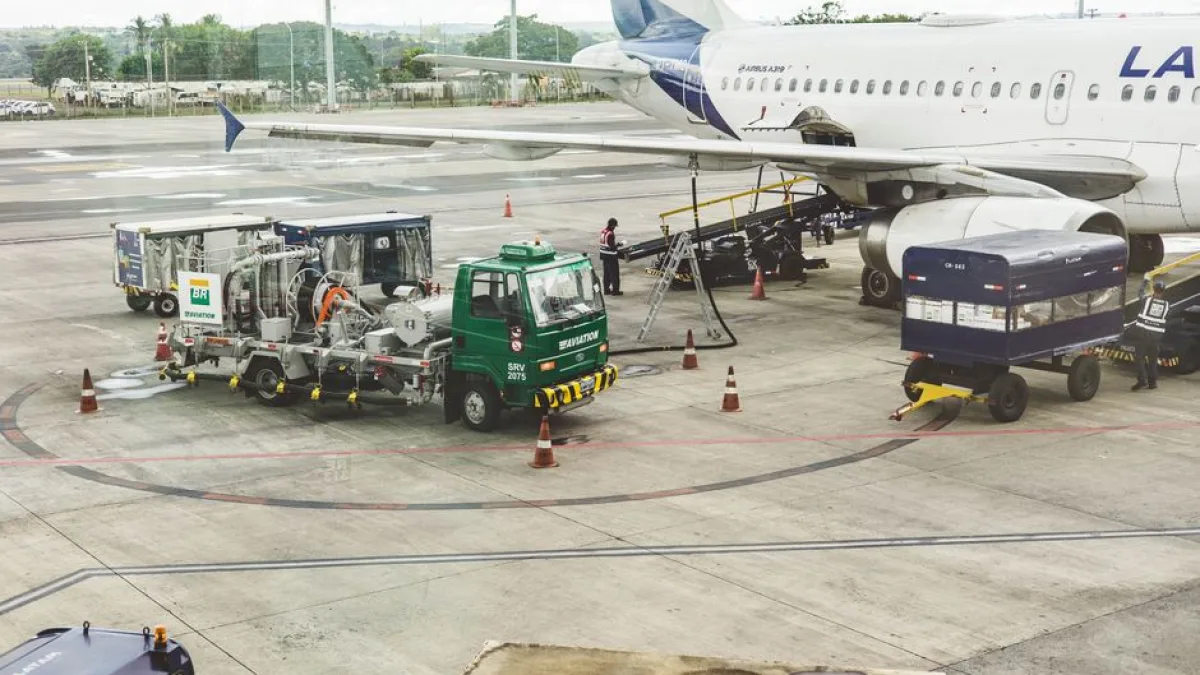
Managing fluctuating air freight capacity is a major challenge for any forwarder aiming for profitability. Strategic capacity management tools help you find the best routes and rates, ensuring that every flight you book is as cost-effective as humanly possible.
- Market rate comparison: Instantly compare spot rates across multiple airlines in one view, helping your team secure the most competitive pricing options for every single shipment they manage daily.
- Capacity alert triggers: Set up automated alerts that notify your team when new cargo space becomes available on key trade routes, ensuring you never miss out on critical bookings.
- Volume consolidation tools: Combine smaller shipments into larger units before booking, which significantly lowers your per-unit shipping costs and improves overall profitability margins for your various freight projects.
- Carrier performance analytics: Track the reliability and pricing history of different airlines to identify which partners provide the best value and service quality for your specific cargo requirements.
- Dynamic route optimization: Utilize smart software to suggest the fastest and most affordable flight connections based on current availability and real-time fuel surcharges affecting the global air market.
Effective capacity management is the key to maintaining healthy margins in a volatile market. By leveraging sophisticated tools to analyze rates and space availability, you can avoid costly last-minute bookings. This proactive approach turns your logistics operations into a strategic advantage, allowing your firm to deliver consistent value to clients even when the broader air freight market experiences sudden, unexpected fluctuations in supply.
Streamlining Customs Clearance Processes

Customs clearance represents a major hurdle in the air freight journey that requires precision and speed. Digital platforms simplify this by automating the submission of declarations and ensuring that all mandatory information is accurate and fully compliant with regulations.
- Automated electronic filings: Submit customs declarations directly to government authorities through your software, which accelerates the release of goods and prevents unnecessary storage fees at airport bonded warehouses.
- HS code lookup tools: Use integrated databases to find the correct harmonized system codes for your products, preventing misclassification that could lead to delays or extra custom duties.
- Real-time compliance updates: Receive instant notifications about changes to international trade laws or local airport customs procedures, keeping your logistics team informed and compliant at all times during transit.
- Tax calculation engines: Automatically calculate potential duties and taxes based on the shipment value and destination, providing accurate cost estimates to your clients before the cargo even arrives.
- Partner API connectivity: Connect your platform directly with customs brokerage partners to share documents securely, ensuring all parties are aligned and prepared for rapid clearance upon arrival.
Mastering the customs process is essential for maintaining a fast and reliable supply chain. By automating the filing of declarations and using smart tools to handle complex regulations, you remove the biggest cause of friction in international shipping. This efficiency saves your clients time and money, proving your firm is a highly capable partner that can handle any customs challenge with ease and accuracy.
Conclusion

Digital transformation is no longer optional for air freight forwarders who want to grow in a competitive global market. By embracing automation, real-time visibility, and better capacity management, your firm can overcome the traditional hurdles of the logistics industry. Start modernizing your operations today with MakeCargo to boost efficiency, reduce costs, and deliver the exceptional service that your global customers expect from their partners.