Optimizing Air Freight Operations with Modern Digital Solutions
Saturday, August 8 2026
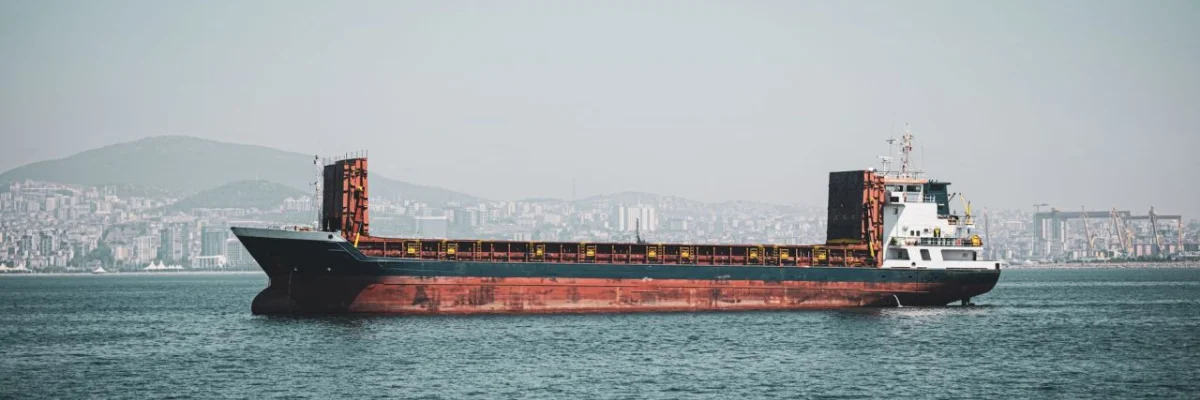
The global air freight industry remains a critical artery for international commerce, demanding precision and rapid coordination in an increasingly volatile market. As cargo volumes fluctuate and supply chain complexities mount, freight forwarders must transition from legacy manual processes to integrated cloud platforms to maintain a competitive edge. Leveraging real-time data and automated documentation can transform how logistics providers handle urgent shipments and complex customs requirements. By focusing on technological agility, firms can reduce operational overhead while simultaneously increasing service quality for their clients. Embracing digital transformation is no longer a luxury but a fundamental necessity for modern air freight management success.
Streamlining Booking Processes

Modern digital platforms enable freight forwarders to manage booking requests with unprecedented speed by consolidating communication and carrier interactions into one interface. This shift reduces the time spent on administrative tasks while minimizing the risk of errors during data entry.
- Automated Rate Search: Access live carrier pricing instantly to compare options across multiple airlines for the most cost effective routing based on specific transit time and weight requirements.
- Digital Booking Requests: Submit shipment details directly to carriers through integrated software connections to eliminate manual emails and reduce the likelihood of transcription errors in cargo manifest.
- Instant Confirmation Tracking: Receive real-time updates regarding booking status changes from airlines to provide your customers with immediate transparency regarding their flight schedules and cargo space availability.
- Centralized Partner Communication: Manage all correspondence with airline representatives within a single portal to ensure that every team member has full visibility into the current booking lifecycle.
Optimizing these initial stages of the shipment lifecycle significantly impacts overall throughput and staff productivity. When forwarders replace disconnected spreadsheets with centralized software, they create a single source of truth that simplifies internal workflows. This transition allows teams to focus their energy on high-value client relations and complex problem solving instead of performing repetitive manual data entry tasks throughout the day.
Enhancing Real Time Visibility
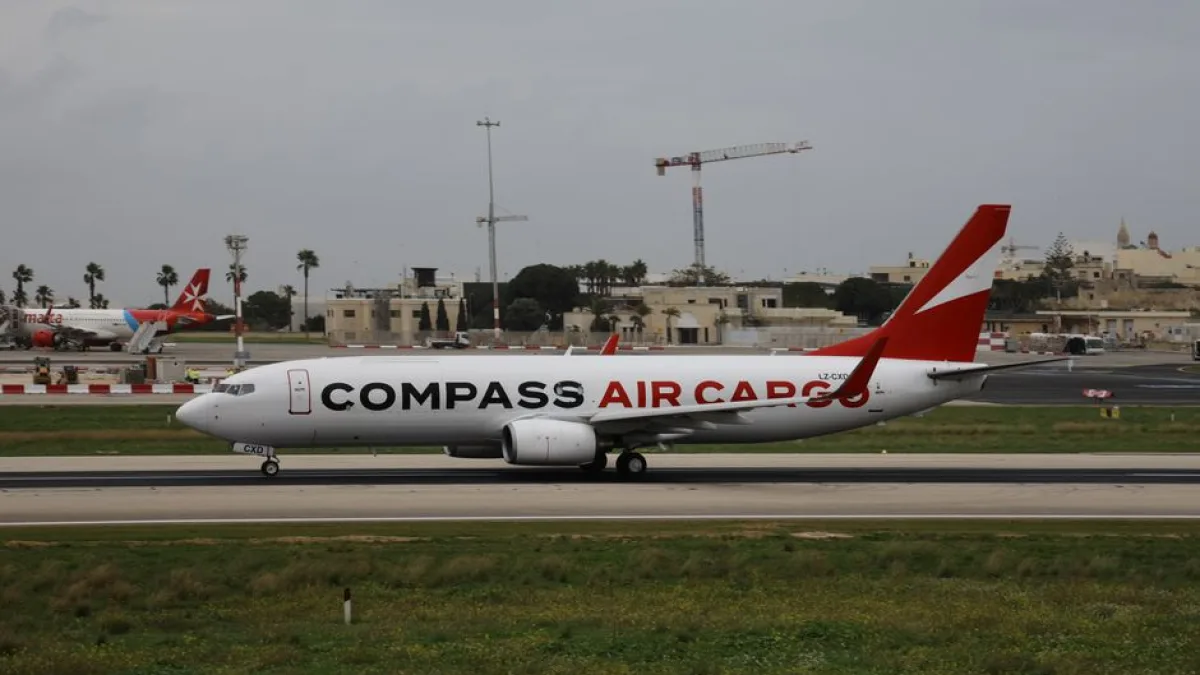
Visibility serves as the backbone of reliable air logistics services, allowing forwarders to monitor shipments from the moment they arrive at the warehouse until the final delivery. Proactive monitoring helps identify potential bottlenecks before they disrupt the entire supply chain.
- Live Shipment Tracking: Integrate GPS and airline data to monitor flight progress and cargo location throughout the entire transit process to ensure accuracy for every client.
- Proactive Milestone Alerts: Configure automated notifications for key transit milestones such as aircraft departure and arrival or customs clearance status to keep all relevant stakeholders informed.
- Exception Management Tools: Quickly identify shipments facing delays due to weather or operational issues and take immediate corrective action to minimize the impact on your customers.
- End-to-End Visibility: Combine multiple data streams into a single dashboard view to provide comprehensive oversight of complex multi-leg shipments involving various transit partners and ground handlers.
Providing granular visibility into the movement of goods builds trust and long term loyalty with clients who demand transparency. By utilizing cloud based tracking features, forwarders can quickly address concerns and provide data driven solutions to transit disruptions. This level of oversight turns logistics services into a strategic asset, empowering forwarders to deliver superior value in a fast paced international market.
Automating Customs and Compliance

Navigating the intricate web of international customs regulations requires meticulous attention to detail and a deep understanding of current trade laws. Digital compliance tools assist forwarders by automating the generation and validation of essential shipping documentation for air freight.
- Automated Manifest Generation: Create air waybills and customs manifests automatically using stored customer data to ensure consistency and speed during the critical pre flight preparation phase.
- Regulatory Update Integration: Stay compliant with shifting international air transport regulations by using software that pulls the latest compliance requirements directly into your shipment management workflow.
- Error Detection Systems: Implement validation checks that automatically flag incomplete or incorrect documentation before submission to customs authorities to prevent costly delays at transit points.
- Secure Document Storage: Maintain a digital archive of all customs declarations and shipping documents to simplify future audits and ensure total compliance across your operations.
Automated compliance workflows significantly decrease the risk of customs holds that can derail sensitive air freight deliveries. By digitizing documentation, forwarders streamline communication with government authorities and internal teams alike. This focus on compliance accuracy allows businesses to scale their operations confidently, knowing that their administrative processes are protected against human error and evolving regulatory landscapes in global air trade.
Leveraging Advanced Data Analytics

Data driven insights empower freight forwarders to make informed decisions regarding carrier selection, route efficiency, and overall service costs. Analyzing historical shipment data provides a roadmap for optimizing future operations and improving profit margins on every single air freight lane.
Transforming raw shipment data into actionable strategy is the primary hallmark of a modern logistics company. By analyzing performance trends, forwarders can refine their strategies and drive significant improvements in operational efficiency. This proactive approach ensures that business leaders remain agile and informed, allowing them to adapt quickly to changing market conditions while consistently delivering excellence to their global shipping customers.
Conclusion

Mastering modern air freight operations demands a commitment to digital integration and continuous process improvement. By utilizing cloud platforms, forwarders gain the tools necessary to automate manual tasks, enhance shipment visibility, and ensure total compliance with international regulations. Implementing these technologies allows firms to scale their businesses efficiently. Start streamlining your operations today by choosing the right digital partner to support your logistics growth.