Optimizing Air Freight Operations with Modern Digital Solutions
Friday, August 14 2026

The air freight industry remains the backbone of global supply chains, demanding speed, precision, and absolute reliability from every logistics provider. As market volatility increases and customer expectations rise, freight forwarders must transition away from manual data entry and fragmented communication channels. Embracing cloud-based technology allows firms to manage complex air shipments with greater transparency and efficiency. By integrating automated tools, professionals can effectively reduce transit times and mitigate common risks associated with airport handling. This article explores how modern software platforms empower forwarders to streamline workflows and deliver superior service in today's competitive air cargo environment.
Mastering Flight Capacity Management
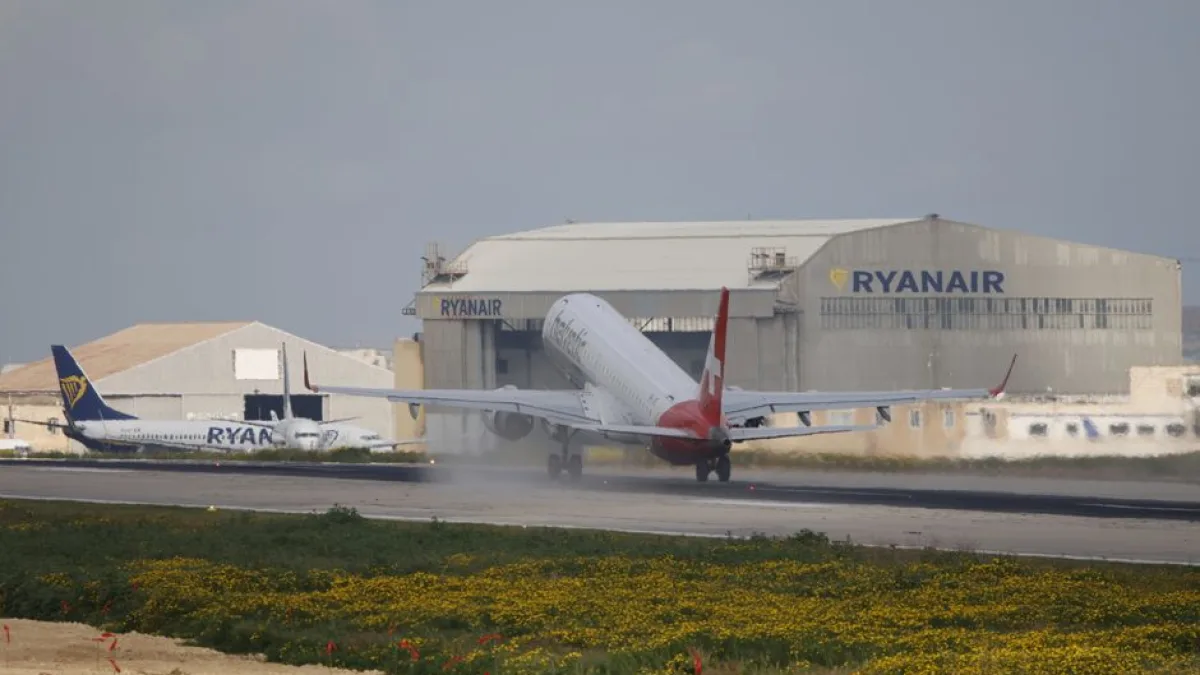
Managing airline capacity effectively requires real-time oversight of booking schedules and flight availability across global routes. Forwarders who utilize centralized digital platforms can instantly secure space, ensuring that urgent shipments depart on time while maximizing load factors for profitability.
- Real-time flight tracking: Access live updates from airline partners to monitor shipment progress across different legs of the journey, ensuring proactive communication with clients regarding any potential delays or schedule changes.
- Automated booking systems: Streamline the reservation process by integrating directly with carrier platforms to secure capacity in seconds, eliminating manual data entry tasks and reducing the risk of human error.
- Capacity analytics tools: Utilize advanced reporting features to analyze historical booking data and seasonal trends, enabling strategic planning that optimizes space utilization during peak demand periods throughout the year.
- Carrier performance monitoring: Evaluate airline partners based on reliability and speed metrics to make data-driven decisions that improve your overall service quality and strengthen key long-term logistics partnerships.
By shifting to digital capacity management, freight forwarders gain a significant competitive edge in the fast-paced air cargo market. Automated workflows remove the bottleneck of manual scheduling, allowing teams to focus on customer relationship management rather than repetitive administrative burdens. Ultimately, this level of technical agility fosters deeper trust with clients who demand both speed and consistent performance from their logistics service providers.
Streamlining Documentation and Compliance

Global air freight operations involve intricate regulatory requirements and extensive documentation that must be processed with extreme accuracy. Adopting digital solutions ensures that all essential compliance documents are generated, validated, and stored securely, minimizing delays caused by customs clearance errors.
- Cloud document storage: Maintain a centralized digital repository for all shipping documents, such as air waybills and invoices, ensuring instant accessibility for global teams and stakeholders during customs audits.
- Automated customs filing: Reduce transit times by leveraging software that auto-populates declarations and transmits data directly to customs authorities, ensuring strict adherence to international trade laws and regulations.
- Regulatory alert systems: Receive timely notifications regarding updates to international aviation security protocols and dangerous goods regulations, helping your team remain compliant with ever-changing global trade requirements.
- Digital signature integration: Expedite the signing process for critical export documents by utilizing secure digital signature tools that eliminate the need for physical paperwork and manual courier deliveries.
Efficient documentation management is the foundation of smooth customs processing for international air shipments. By digitizing these critical administrative flows, your operations team can significantly lower the probability of cargo holds or hefty financial penalties. This transition not only accelerates the movement of goods through the airport ecosystem but also provides your clients with a seamless experience that reflects your commitment to professionalism.
Enhancing Real-Time Shipment Visibility

Modern clients expect complete transparency regarding their air freight status from origin to final delivery destination. Providing a live digital window into the shipment journey is now a prerequisite for freight forwarders aiming to retain customers and build brand loyalty.
- Client tracking portals: Offer your customers secure access to a branded portal where they can view real-time shipment updates, location status, and estimated arrival times without calling your office.
- Automated status notifications: Configure custom triggers to send proactive email or text alerts to clients at key milestones, keeping them informed throughout the entire logistics handling process efficiently.
- Interactive map visualization: Display the physical progress of shipments on integrated digital maps, providing a visual representation of global logistics paths that adds value to your service offerings.
- Exception management alerts: Receive immediate notifications for any shipment anomalies, allowing your support team to resolve issues rapidly before they impact the final delivery schedule for your customers.
When you provide granular visibility into the air freight process, you empower your customers to manage their own supply chains with greater confidence. This transparency reduces the volume of status inquiries handled by your staff, allowing for a more productive workplace. By leveraging these modern tracking capabilities, your firm creates a distinct value proposition that prioritizes client convenience and reliable communication every time.
Leveraging Data for Strategic Growth

Harnessing the power of operational data allows freight forwarding companies to identify inefficiencies and capitalize on new business opportunities. Comprehensive analytics platforms transform raw logistics numbers into actionable insights, driving smarter decision-making across all business departments and service lines.
- Financial performance tracking: Monitor profit margins for individual air shipments by analyzing cost variances, helping your management team identify profitable routes and optimize pricing strategies for future customer quotes.
- Vendor relationship metrics: Use consolidated data to assess the performance of airlines and ground handling agents, ensuring that your company always selects the most reliable partners for operations.
- Resource allocation planning: Analyze staff productivity and workload distribution data to determine where your team requires additional support, ensuring peak efficiency during high-volume shipping seasons or busy periods.
- Market trend analysis: Identify emerging trade routes and shifts in cargo demand by reviewing historical shipping data, allowing your firm to proactively expand service capabilities in growing markets.
Data-driven strategy is no longer optional for firms operating in the modern air freight sector. By turning operational information into a strategic asset, forwarders can optimize their financial health and improve service quality simultaneously. Investing in analytics tools ensures your business remains resilient and ready to scale, helping you stay ahead of competitors who rely solely on outdated and fragmented legacy processes.
Conclusion
Integrating cloud-based software into your air freight operations is the most effective way to drive growth and operational excellence. By focusing on capacity management, documentation accuracy, visibility, and data analysis, you position your logistics firm for long-term success. Evaluate your current digital infrastructure today to ensure that your team is fully equipped to meet the evolving demands of the global air cargo market.