Optimizing Air Freight Operations with Modern Digital Solutions
Monday, August 17 2026
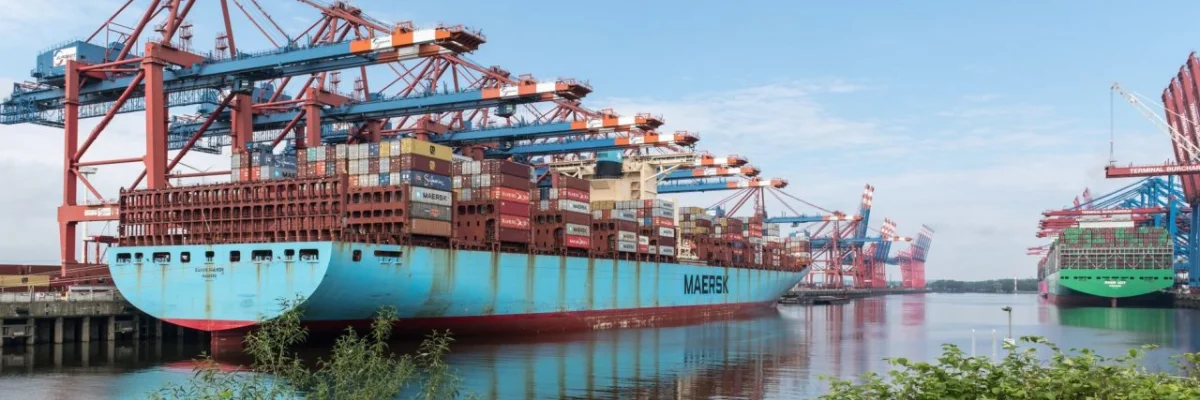
The global air freight industry is currently navigating a period of unprecedented complexity, driven by shifting market demands and the urgent need for faster transit times. Freight forwarders are increasingly looking toward cloud-based technology to bridge the gap between legacy processes and the agility required for modern logistics. By automating workflows and centralizing documentation, logistics companies can significantly reduce manual errors while improving communication across the entire supply chain. As we examine the core pillars of air freight efficiency, it becomes clear that adopting smart software platforms is no longer a luxury but a fundamental necessity for staying competitive.
Streamlining Documentation Processes

Managing complex paperwork is often the biggest bottleneck for air freight forwarders. Digitizing airway bills and customs declarations allows for seamless information flow between parties, effectively reducing the time spent on administrative tasks and accelerating overall shipment release times across borders.
- Automated Data Entry: Implement automated extraction tools to pull information from shipping documents directly into your platform, eliminating manual typing errors and saving hours of repetitive administrative labor daily.
- Centralized Cloud Storage: Maintain a single source of truth by storing all shipping documents in a secure cloud environment, ensuring that team members access the latest versions instantly.
- Real-time Customs Integration: Connect your forwarding software directly to customs systems to facilitate faster clearance, reducing the risk of costly delays at busy international airports for your clients.
- Version Control Systems: Utilize built-in version control features to track changes made to shipping documents, ensuring that every stakeholder remains informed about any updates to sensitive cargo records.
Adopting digital documentation processes transforms how freight forwarders handle daily operations. By removing the reliance on physical paper trails, teams gain the flexibility to manage global shipments from any location. This shift not only accelerates processing speeds but also provides a more robust audit trail for compliance purposes. Companies that embrace these digital tools often report significantly higher customer satisfaction levels and fewer shipping errors.
Enhancing Real-time Cargo Visibility
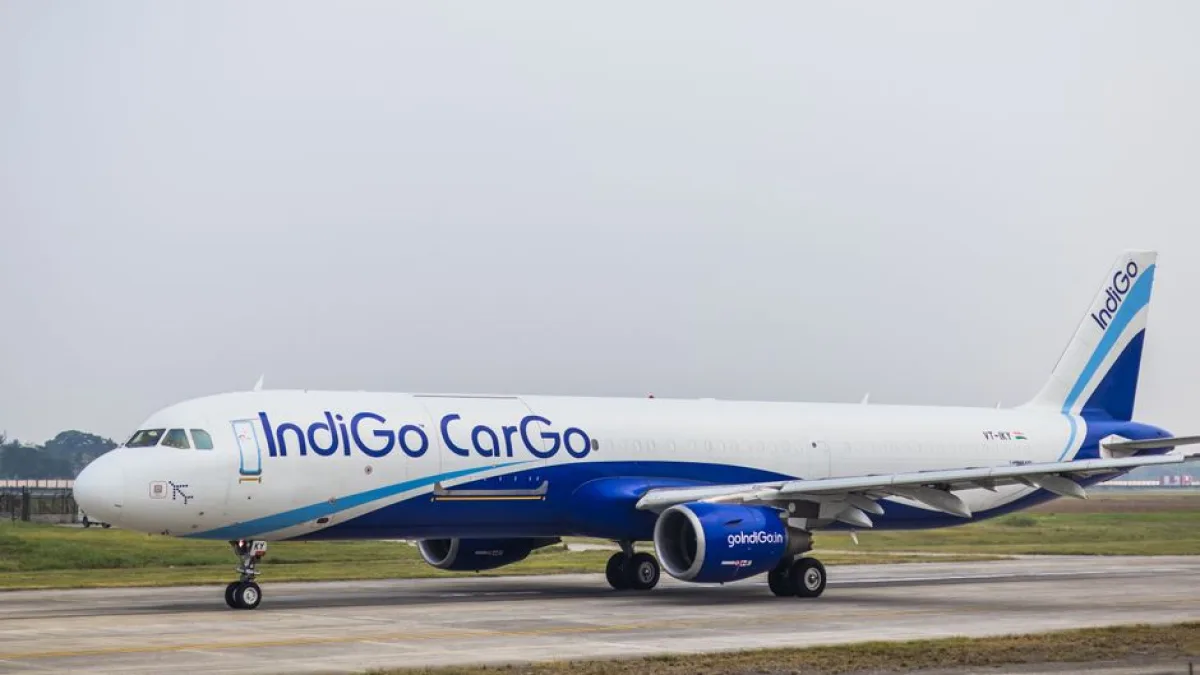
Visibility is the backbone of modern logistics, and clients now expect granular updates on their air freight shipments. Leveraging integrated tracking systems ensures that forwarders provide accurate, proactive status updates, which builds long-term trust and strengthens professional relationships with high-value shippers.
- Proactive Milestone Tracking: Configure automated alerts that notify your team and clients whenever a shipment reaches a specific milestone, such as airport arrival or completed customs clearance procedures.
- Integrated API Connections: Leverage powerful API connections with major airlines to receive live status updates directly inside your freight software, bypassing the need for manual tracking checks.
- Client Portal Access: Provide your customers with a secure web portal where they can monitor their shipments live, reducing the volume of status inquiries handled by support.
- Exception Management Tools: Deploy advanced monitoring systems that flag potential delays immediately, allowing your operations team to take corrective action before a minor issue becomes a major problem.
Providing transparent tracking information is essential for maintaining client retention in today's competitive landscape. When customers have access to live data, they feel more in control of their own supply chain activities. By investing in these visibility tools, forwarders differentiate themselves from competitors who still rely on fragmented manual tracking methods. Ultimately, clarity drives loyalty and creates a foundation for scalable business growth.
Optimizing Air Cargo Capacity

Maximizing the load factor of every flight is a primary goal for freight forwarders seeking to control costs. Advanced planning software helps teams identify the best routing options and carrier partnerships to ensure that cargo space is utilized to its fullest potential.
- Dynamic Route Planning: Utilize smart algorithms to calculate the most efficient air routes, taking into account current fuel costs, airline availability, and the specific delivery deadlines for clients.
- Consolidation Strategy Tools: Combine multiple smaller shipments into single master airway bills to take advantage of lower shipping rates and maximize available space on larger cargo aircraft.
- Carrier Performance Analytics: Analyze historical data to identify which airline partners consistently provide the best capacity and pricing, allowing for more informed decision-making when booking future freight.
- Automated Capacity Alerts: Set up threshold notifications that warn your team when specific flight lanes are reaching capacity, ensuring you secure space early during peak shipping seasons.
Efficient capacity management is the key to maintaining healthy profit margins in the air freight industry. By using data-driven insights, forwarders can avoid expensive last-minute spot market purchases and provide consistent pricing to their customers. A strategic approach to space optimization not only improves the bottom line but also enhances the reliability of your logistics services throughout the entire calendar year.
Improving Global Partner Collaboration

Collaborating with agents and international partners requires efficient communication channels. Cloud software enables seamless interaction between global teams, ensuring that local expertise and central oversight are perfectly balanced to handle the unique challenges of international air freight logistics.
- Shared Workspaces: Utilize collaborative digital workspaces where internal teams and external agents can work on the same shipment file simultaneously without creating conflicting copies or data silos.
- Secure Messaging Modules: Implement internal chat features within your software to keep all communication threads tied to specific shipments, ensuring context is never lost in email chains.
- Automated Agent Notifications: Automate the process of requesting documents or updates from overseas agents by triggering timely notifications based on specific stages of the air freight process.
- Customizable Permissions Levels: Control exactly what information external partners can see by setting granular permission levels, protecting sensitive business data while fostering a culture of transparent global cooperation.
Global collaboration is a necessity for freight forwarders who manage shipments across multiple time zones and jurisdictions. By integrating your partners into a unified digital ecosystem, you reduce the likelihood of miscommunication and operational friction. This connected approach creates a more resilient network capable of handling international complexity with ease, ensuring that your clients receive high-quality service regardless of where their cargo travels.
Conclusion

Modernizing air freight operations requires a commitment to digital integration and continuous process improvement. By streamlining documentation, improving visibility, optimizing capacity, and fostering global collaboration, freight forwarders can position themselves as leaders in a fast-paced market. Leverage cloud-based tools today to reduce manual overhead and increase your operational capacity, ensuring that your logistics business remains competitive and profitable for years to come.