Optimizing Air Freight Operations with Modern Digital Solutions
Thursday, August 20 2026

The air freight industry remains a critical artery for global trade, demanding speed, precision, and absolute reliability from logistics providers. As market volatility increases and supply chain complexities rise, forwarders must move beyond legacy manual processes to maintain a competitive edge. Leveraging advanced cloud-based software transforms how businesses manage capacity, track shipments, and communicate with partners across international borders. By integrating digital tools into daily workflows, professionals can reduce human error, enhance operational visibility, and deliver superior service levels that modern shippers expect. This shift toward total digitalization represents the most significant opportunity for freight forwarders to achieve long-term growth and stability.
Streamlining Booking Processes

Modern digital platforms allow forwarders to instantly compare airline rates and secure capacity in real time, eliminating the slow traditional methods of manual phone calls and emails. This efficiency boost directly improves response times and strengthens client satisfaction across every lane.
- Instant rate comparison: Automated tools aggregate pricing from multiple carriers, allowing agents to select the most cost-effective and efficient options for their specific cargo requirements within seconds of searching.
- Simplified booking workflows: Users can confirm shipments through a unified interface, removing the need for fragmented communication channels and ensuring that all booking data remains centralized for stakeholders.
- Real-time capacity tracking: Dynamic updates on available space ensure that forwarders never miss an opportunity, allowing them to manage complex logistics demands with total confidence and precision.
- Automated quote generation: Professional proposals are generated instantly using pre-populated data, which significantly reduces the administrative burden on your sales team while maintaining a high level of accuracy.
Optimizing the booking phase is only the beginning of your digital transformation journey. When freight forwarders automate these initial administrative tasks, they unlock significant time for strategic planning and client relationship management. Adopting a unified platform reduces the risk of data silos and ensures that every member of your team has access to accurate information throughout the entire air shipping lifecycle process.
Enhancing Shipment Visibility
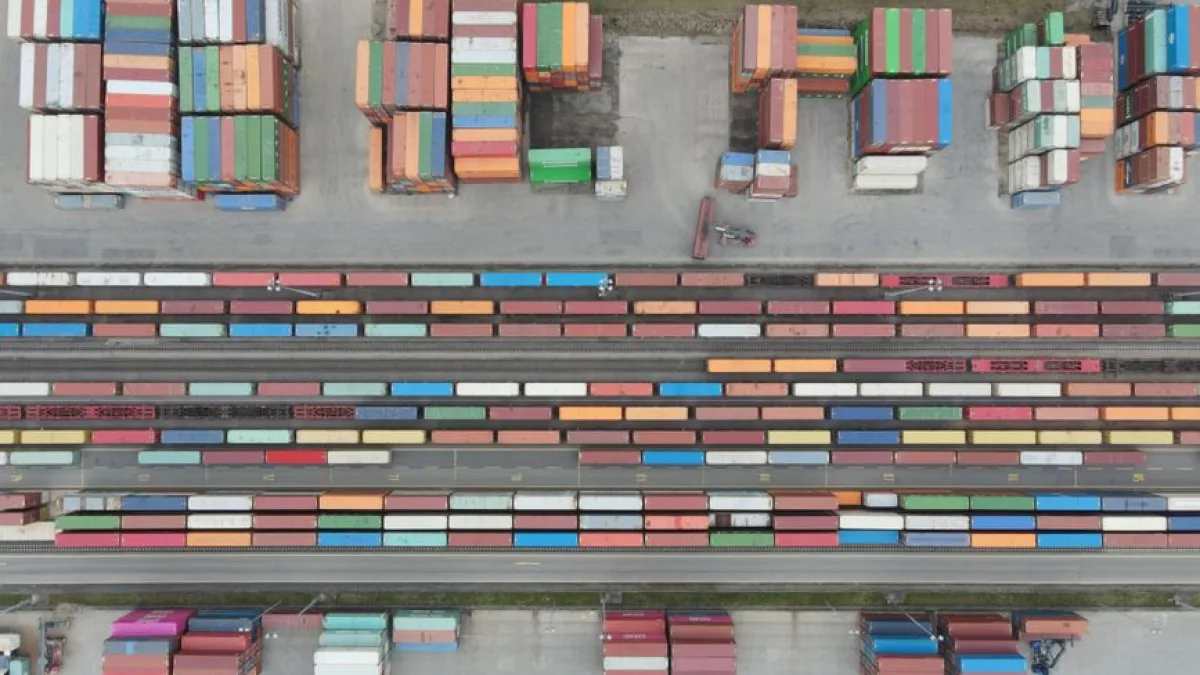
True visibility provides peace of mind for both the freight forwarder and the end customer throughout the entire transit process. Advanced tracking features ensure that every stake holder knows exactly where their high-value goods are located at any moment.
- Live GPS updates: Integration with airline tracking systems provides accurate status alerts, ensuring that any potential delays are identified and mitigated before they impact your delivery timelines.
- Automated status notifications: Proactive updates sent to customers via email or portals maintain transparency and build trust by keeping clients informed at every key milestone during transit.
- Document management integration: Accessing airway bills and customs paperwork within the tracking view minimizes confusion, allowing for a seamless flow of information from origin to final destination.
- Exception management alerts: Automated notifications highlight deviations from the planned route, giving your operations team the power to intervene quickly and maintain overall cargo security and schedule integrity.
Transparency is no longer a luxury but a fundamental expectation of modern supply chains. By utilizing high-end software to monitor air freight, firms provide clear evidence of their service quality to shippers. This level of insight reduces inbound support requests, allowing your team to focus on resolving urgent issues instead of chasing routine updates or answering constant status inquiries from clients.
Improving Documentation Accuracy

Documentation errors often lead to costly delays and security hurdles when moving goods by air. Digitized systems enforce data validation rules, ensuring that every manifest and airway bill meets strict regulatory standards before they reach the airport terminals.
- Automated validation checks: Software automatically audits shipment data against airline requirements, catching errors before they become expensive problems that jeopardize your flight departure and terminal processing operations.
- Standardized digital templates: Pre-set document formats save your team from re-entering repetitive data, ensuring consistency and professionalism across every single shipment you manage for your valued customers.
- Centralized document cloud: Storing all shipping documents in a secure digital repository makes audits simple and ensures that any authorized user can retrieve files in seconds.
- Electronic data interchange: Facilitating seamless communication with customs authorities speeds up the clearance process, ensuring that your air freight moves through terminals without unnecessary administrative roadblocks or stress.
Eliminating paperwork errors through technology significantly accelerates the movement of goods. When your documentation is handled through a cloud-based system, you minimize the risks associated with manual data entry. This precision not only keeps your operations running on time but also shields your company from potential fines and regulatory scrutiny, ensuring a compliant and highly efficient workflow for every shipment managed.
Driving Operational Scalability

Scalable software is essential for companies aiming to grow their volume without exponentially increasing their headcount. A robust cloud infrastructure supports your business ambitions by automating growth-oriented tasks and centralizing complex global logistics data in one place.
- Modular software growth: Cloud systems scale effortlessly as your business expands, allowing you to add new users and features without performing complex infrastructure upgrades to your internal hardware.
- Performance analytics reporting: Deep data insights allow management to track carrier performance and profitability, providing the necessary intelligence to make informed decisions about future network expansion strategies.
- Cross-departmental collaboration tools: Integrated communication features ensure that sales, operations, and accounting departments are always on the same page, fostering a culture of efficiency and collective success.
- Secure cloud access: Remote accessibility allows your team to work from anywhere in the world, ensuring that your operations remain fully functional during any unforeseen global circumstance.
Preparing your logistics firm for the future requires a commitment to flexible digital infrastructure. By centralizing operations, you create a foundation that supports higher volumes and more complex shipping routes. This scalable approach allows you to remain agile, responding to sudden market shifts with confidence while maintaining a lean operational model that maximizes your margins and supports long-term profitability goals.
Conclusion

Modernizing your air freight operations is the most effective way to secure a successful future in this fast-paced industry. By adopting integrated cloud technology, you simplify complex tasks, improve overall shipment visibility, and enhance the accuracy of your critical documentation. Embrace these digital tools today to boost your competitive edge. Contact our team at MakeCargo to learn how our software simplifies your logistics.