Optimizing Air Freight Operations with Modern Digital Solutions
Wednesday, September 9 2026

The global logistics landscape evolves rapidly, requiring freight forwarders to leverage technology for maintaining a competitive edge. Air freight remains the fastest mode for high-value and time-sensitive shipments, yet it demands extreme precision to manage fluctuating rates and tight schedules effectively. By moving away from manual data entry and fragmented spreadsheets toward integrated cloud-based platforms, professionals can gain real-time visibility into their supply chains. This shift not only minimizes costly errors but also enhances collaboration between carriers and shippers. Embracing digital transformation is no longer a luxury but a fundamental necessity for companies aiming to thrive in an increasingly complex international shipping environment.
Streamlining Booking Processes
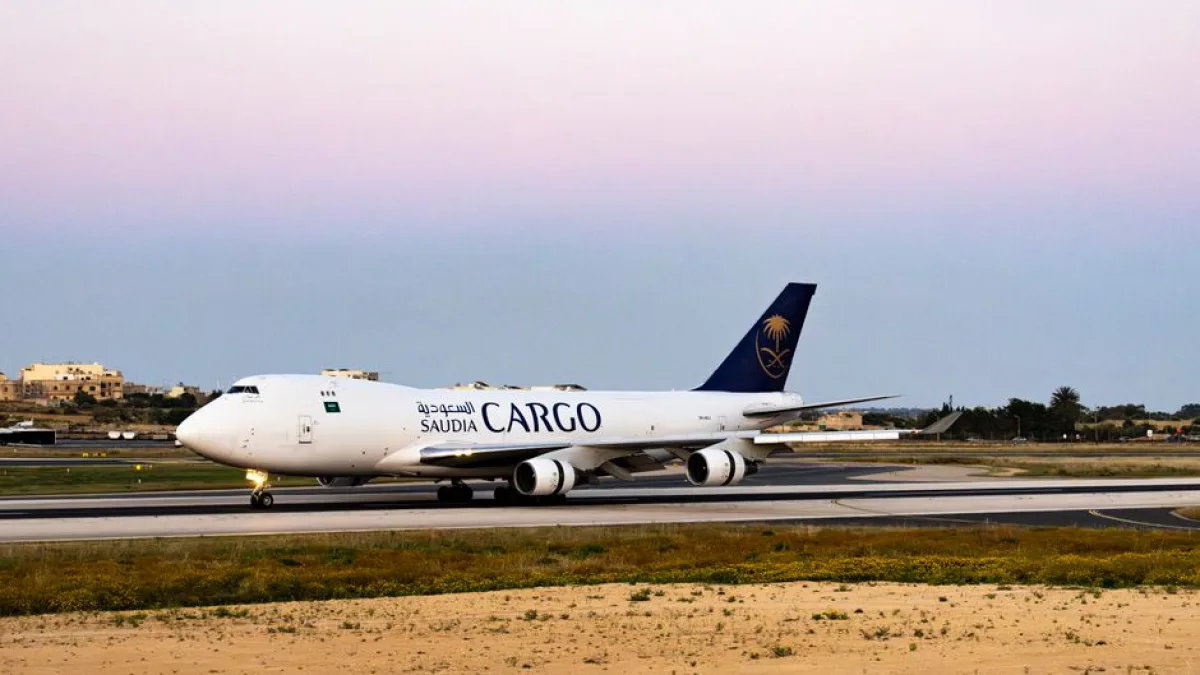
Modern booking interfaces simplify the way forwarders request quotes and secure capacity with major airlines. By digitizing these workflows, teams save significant time, allowing them to focus on high-value tasks while ensuring accurate information flow between stakeholders throughout the entire shipping cycle.
- Instant quote comparison: Quickly evaluate pricing and service levels from multiple air carriers to ensure your clients receive the best possible value for their specific time-sensitive cargo requirements today.
- Automated booking requests: Eliminate manual entry errors by transmitting shipment details directly to carriers through integrated digital portals that confirm capacity availability in real-time for your logistics team.
- Centralized documentation hub: Store all essential airway bills and customs forms in a single cloud location where authorized personnel can access them instantly without searching through endless emails.
- Real-time status updates: Receive automated alerts regarding flight schedules and potential delays, enabling your staff to proactively inform customers and adjust plans before significant problems impact your delivery timeline.
Efficiency gains through automated booking directly correlate with higher customer satisfaction rates. By removing the traditional friction points associated with manual coordination, your operations team can handle a higher volume of shipments without increasing headcount. This scalable approach provides the agility needed to respond to market volatility, ensuring your logistics business remains reliable even when faced with sudden changes in global air cargo capacity.
Enhancing Shipment Visibility

Tracking shipments in real-time is vital for managing customer expectations in air logistics. Modern software provides granular data updates, ensuring that both the freight forwarder and the end client maintain complete awareness of the physical location of their high-value goods.
- Live GPS tracking: Monitor the exact coordinates of your cargo as it moves through airports and onto aircraft, providing precise arrival estimates that improve your daily warehouse planning.
- Customized alert triggers: Set up personalized notifications for specific milestones, such as departure or customs clearance, ensuring that your team stays informed without manually checking carrier websites constantly.
- Transparency for clients: Grant your end customers access to a branded portal where they can view their shipment status independently, reducing the volume of inbound status update inquiries.
- Data-driven performance logs: Maintain comprehensive records of transit times and carrier reliability, allowing you to identify trends and choose the most effective partners for future high-priority air shipments.
Visibility serves as the backbone of trust in the freight forwarding industry. When clients can monitor their shipments with precision, the relationship between forwarder and customer strengthens significantly. Furthermore, having access to accurate data enables your logistics team to address potential bottlenecks before they result in costly delays, ensuring that your operations remain smooth, professional, and highly efficient at every stage.
Optimizing Customs Compliance

Navigating international customs regulations is a complex task requiring absolute accuracy and speed. Integrated digital tools simplify the preparation of electronic filing, ensuring that all necessary documents meet local requirements and avoid expensive penalties during the transit of international cargo.
- Electronic document submission: Submit customs declarations and supporting invoices digitally to relevant authorities, reducing the time shipments spend waiting in holding areas or inspection facilities at international airports.
- Regulatory database access: Utilize built-in databases that update automatically based on changing import and export laws, keeping your filings compliant with the latest global trade regulations and standards.
- Error detection software: Implement automated validation checks that flag missing fields or invalid codes in your documentation before submission, preventing common mistakes that lead to costly clearance delays.
- Audit trail history: Maintain a secure digital history of all past filings and communication with customs officials, providing peace of mind during internal reviews or external regulatory compliance audits.
Proactive compliance management mitigates risks and protects your brand reputation from the fallout of bureaucratic errors. By investing in software that automates repetitive administrative tasks, your team can ensure that all legal standards are met consistently across every border crossing. This level of diligence prevents hold-ups and improves throughput, making your overall air freight service more dependable for your global clientele.
Scaling Through Cloud Connectivity

Cloud-based platforms provide the flexibility required to grow a logistics business. By centralizing operations in a virtual environment, freight forwarders can manage global shipments from any location while maintaining a unified view of their company performance and financial metrics.
- Remote team access: Enable your staff to manage air freight operations from any location, ensuring business continuity even during times when office presence is not possible or practical.
- Seamless software integration: Connect your freight platform with existing accounting and CRM software, creating an end-to-end data ecosystem that eliminates the need for redundant data entry tasks.
- Secure data backup: Protect your sensitive shipment and customer information with automated cloud backups, preventing data loss that could devastate your operations if local hardware were to fail.
- Dynamic report generation: Analyze your company metrics using built-in analytical tools to track revenue, margin performance, and volume growth, providing the insights needed for informed strategic business decisions.
Scalability ensures that your operations can adapt to sudden market shifts and volume fluctuations. With a cloud-based infrastructure, you can quickly onboard new team members or expand your reach into new markets without the burden of complex IT installations. This flexibility is the key to maintaining a resilient logistics organization that is fully prepared to tackle the challenges of modern global trade.
Conclusion

Modernizing your air freight business with integrated software is a strategic necessity in today's fast-paced shipping industry. By focusing on automation, visibility, compliance, and cloud scalability, forwarders can significantly reduce operational overhead while improving customer trust. Embrace these digital tools to transform your workflows and position your company for sustained success. The future of logistics belongs to those who act now to adopt innovative technology.