Optimizing Air Freight Operations with Modern Digital Tools
Wednesday, September 16 2026

The global logistics landscape is undergoing a massive transformation as air freight continues to demand unparalleled speed and precision. For freight forwarders, the pressure to maintain tight schedules while managing complex documentation is constant. Relying on outdated manual processes often leads to costly errors and missed delivery windows in a high-stakes environment. By leveraging advanced cloud-based software solutions, forwarders can digitize their workflows, improve real-time visibility across global networks, and ultimately provide superior service to their clients. This guide explores the essential strategies for modernizing your air freight operations to stay competitive and profitable in an increasingly fast-paced digital market.
Digitizing Documentation Processes

Managing air waybills and customs clearance paperwork manually is a recipe for operational bottlenecks that delay shipments. Automating document generation reduces human error and ensures that your team stays compliant with international aviation regulations while speeding up the entire booking lifecycle significantly.
- Automated Form Filling: Save your team hours of repetitive work by using software that auto-populates air waybills and commercial invoices directly from your existing customer database and shipment files.
- Secure Cloud Storage: Centralize your critical shipping documents in a protected cloud environment that allows authorized staff to access files instantly from any location around the world.
- Compliance Tracking Tools: Utilize built-in validation checks that flag missing data or errors before submission to customs authorities, preventing unnecessary delays during the pre-departure phase of transit.
- Electronic Signature Integration: Speed up the approval process by utilizing integrated electronic signature features that allow clients to sign contracts and documents directly through your professional software portal.
Adopting digital document solutions is the first step toward operational excellence in air freight. By removing paper-based dependencies, your staff can focus on high-value tasks like client communication and strategic planning. This shift not only accelerates shipment turnaround times but also enhances overall transparency for your partners. Consistency in data handling fosters trust, ensuring that every cargo movement proceeds without the burden of administrative friction.
Enhancing Real-time Shipment Visibility

Customers today demand full transparency throughout the air transit journey, from the warehouse floor to the final destination. Implementing real-time tracking features allows forwarders to proactively update stakeholders on shipment status, effectively managing expectations and reducing the volume of customer service inquiries.
- Live Status Updates: Integrate your software with airline tracking systems to provide automatic notifications to your customers whenever a shipment reaches a major transit milestone or location.
- Interactive Dashboard Views: Display shipment data on a clean dashboard that allows your team to identify delays early and provide actionable solutions to your clients immediately.
- Automated Client Alerts: Configure your platform to send customized email or SMS notifications to clients, ensuring they receive updates exactly when their shipment status changes significantly.
- Geofencing Technology Insights: Leverage advanced geofencing features that automatically detect when a cargo shipment enters or leaves critical airport zones, keeping your team informed of every movement.
Visibility serves as the backbone of modern freight forwarding services. When you provide accurate and timely tracking information, you empower your clients to manage their own supply chains more effectively. This level of professional transparency differentiates your brand in a crowded market. By investing in tools that offer deep visibility, you transform the customer experience from a reactive process into a proactive partnership.
Optimizing Air Cargo Space
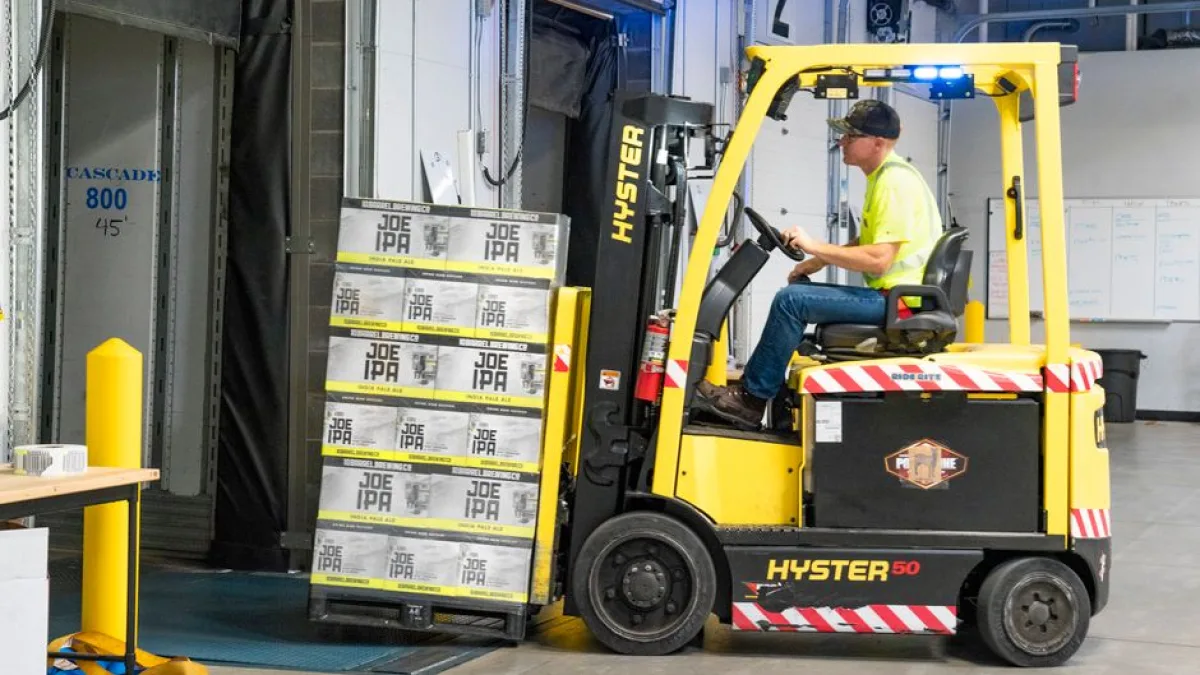
Maximizing the use of available air cargo space is vital for maintaining healthy margins and reducing transportation costs. Freight forwarders must analyze load patterns and optimize packaging strategies to ensure every flight is profitable while complying with strict weight and volume limitations.
- Smart Volumetric Calculation: Use automated tools to instantly determine the chargeable weight of every shipment, ensuring that you accurately bill customers and avoid unexpected surcharges from airlines.
- Load Consolidation Tactics: Group multiple smaller shipments into a single air pallet or container to maximize space efficiency and negotiate better rates from your carrier partners.
- Weight Management Software: Monitor the weight distribution of your cargo to ensure compliance with airline safety standards while optimizing the physical capacity of each flight booked.
- Carrier Rate Comparisons: Quickly compare rates and availability across multiple airlines within your software to find the most cost-effective and space-efficient routes for your clients.
Efficient space utilization is about balancing operational cost with service quality. When you master the art of load consolidation and volumetric analysis, you significantly improve your profitability per flight. These optimizations allow you to remain competitive in your pricing strategies while ensuring that your cargo capacity is always maximized. Consistent attention to these metrics helps you scale your operations without increasing unnecessary overhead costs.
Strengthening Carrier Communication Channels

Effective communication with airline partners is essential for resolving issues quickly and securing space during peak shipping seasons. Centralizing all carrier interactions within a single software platform ensures that everyone stays aligned, minimizing confusion and preventing common coordination errors during busy transport windows.
- Unified Messaging Hubs: Keep all correspondence related to specific shipments within the project file, ensuring that your team has a clear history of discussions with carrier representatives.
- Direct Booking Integrations: Connect your management platform directly to carrier booking systems to streamline the reservation process and reduce the need for manual emails or phone calls.
- Incident Resolution Tracking: Use dedicated tools to log and track issues like flight delays or missing cargo, ensuring that every problem is assigned and resolved systematically.
- Performance Reporting Tools: Evaluate your carrier performance by tracking metrics like transit times and incident frequency, allowing you to choose the best partners for future shipments.
Strong relationships with airlines are built on a foundation of clear and consistent communication. By utilizing software to manage these interactions, you ensure that your team remains professional and accountable at all times. This structured approach to carrier management reduces operational risks and helps you secure better service levels. Focusing on these connections allows you to deliver reliable results even during complex transport operations.
Conclusion

Modernizing your air freight business requires a commitment to digital tools that enhance efficiency and visibility. By automating documentation, improving tracking capabilities, optimizing space, and refining carrier communication, you position your firm for sustainable growth. These steps help you meet the evolving demands of the global market while maintaining high service standards. Leverage technology today to secure your competitive advantage in the industry.