Optimizing Air Freight Operations with Modern Software Solutions
Friday, July 31 2026

Air freight remains the fastest and most reliable method for transporting time sensitive goods across global markets. As logistics professionals navigate the complexities of volatile market demands and strict delivery windows, the need for integrated digital infrastructure has never been greater. Manual processes often lead to costly delays and communication breakdowns between stakeholders. By implementing cloud based platforms, freight forwarders can effectively centralize their documentation, automate manual tracking, and ensure real time visibility for their clients. Embracing these advanced technological tools is no longer a luxury but a fundamental requirement for maintaining a competitive edge in today's fast moving global air cargo industry.
Streamlining Booking Processes
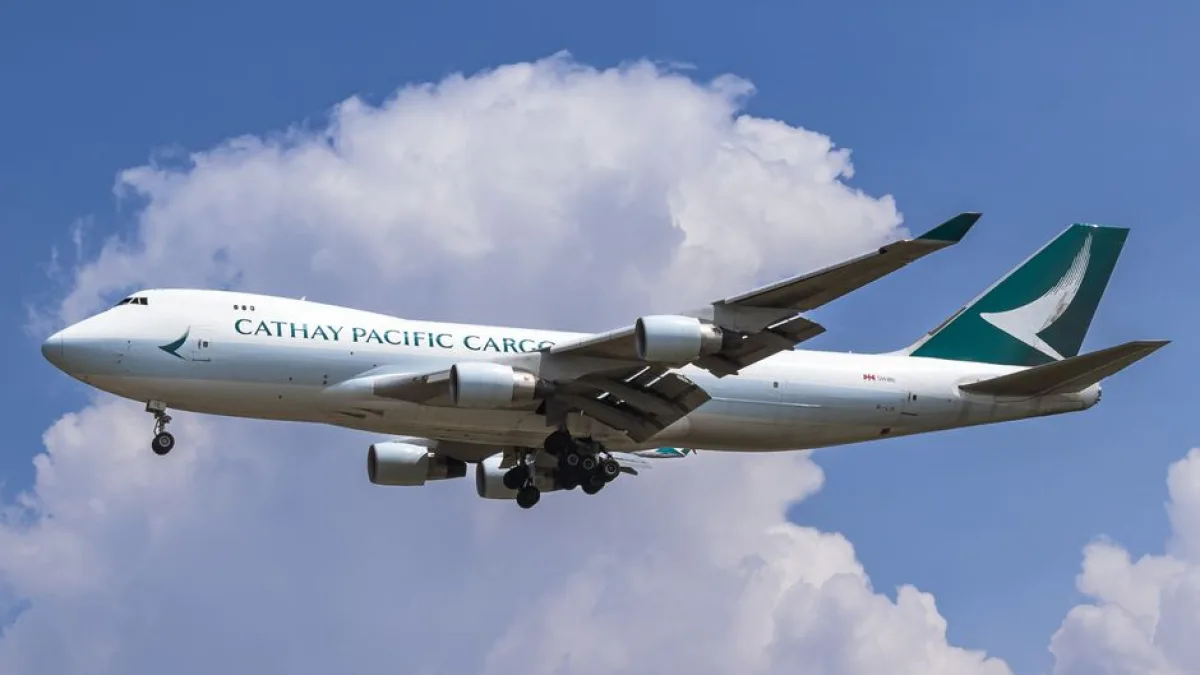
Digital booking portals empower forwarders to manage multiple carrier quotes instantly while eliminating tedious email chains. By centralizing data in a single platform, logistics teams can compare rates, transit times, and capacity availability at a glance to make informed decisions for their clients.
- Automated quote generation: Software solutions allow your team to generate professional quotes in seconds, reducing wait times and increasing the speed of conversion for your high value air freight shipments.
- Instant carrier integration: Connect directly with major airline systems to retrieve live availability and pricing, ensuring your cargo operations benefit from the most accurate market data currently available today.
- Simplified booking workflows: Standardize your internal booking procedures to ensure consistency across all departments, which ultimately prevents manual errors that can occur during the high pressure dispatching of goods.
- Real time status updates: Keep your customers informed with automated notifications that provide granular visibility into every stage of the transit process from initial pickup to the final destination arrival.
Efficient booking management reduces the administrative burden on your staff while significantly improving the overall customer experience. When your team spends less time hunting for information and more time optimizing routes, your firm becomes more resilient. Leveraging technology allows you to handle volume spikes with ease and maintain high service standards that keep your shipping partners coming back to your services repeatedly.
Optimizing Air Cargo Documentation

Modernizing documentation procedures helps freight forwarders avoid the compliance risks associated with physical paperwork. By shifting to electronic air waybills and digitized customs forms, companies can accelerate the clearance process and ensure that all necessary information is stored securely in one location.
- Electronic airway bill: Transitioning to e-AWB protocols eliminates physical document handling, which reduces the potential for costly delays during customs inspection at international border crossings or airport transit facilities.
- Digital document repository: Centralized storage allows your team to access critical paperwork from anywhere in the world, ensuring that compliance teams can verify details without relying on paper archives.
- Automated compliance checks: Intelligent software scans your manifests for missing information or common entry errors, helping you maintain regulatory compliance while avoiding the fines often tied to manual errors.
- Integrated customs filing: Connect your internal software directly to local customs authorities to automate the submission of declarations, significantly reducing the turnaround time required for cargo to be released.
Accuracy in documentation is the backbone of efficient international trade and logistics operations. By moving away from manual data entry, your agency minimizes the risks of hold ups that threaten lead times. Software automation provides a reliable framework for handling complex international requirements, ensuring that every shipment moves smoothly through the global network without unnecessary stops or bureaucratic hurdles along the way.
Achieving Supply Chain Visibility

Complete end to end visibility provides forwarders with the data they need to proactively manage exceptions. Instead of reacting to delays after they happen, cloud systems track every movement, allowing you to provide your clients with transparent reporting and reliable ETAs.
- Live shipment monitoring: Track your air cargo shipments across all carriers in real time, giving your operations team the ability to detect potential bottlenecks before they affect the schedule.
- Proactive exception management: Automated alerts notify your staff the moment an issue arises, enabling rapid intervention and corrective action that protects your customer relationship and reputation for reliability.
- Dynamic route planning: Use historical data to evaluate carrier performance and transit trends, which helps you choose the most reliable routes for urgent or sensitive global air shipments.
- Comprehensive client portals: Provide your customers with a secure login to view their specific shipment status, which reduces the volume of status inquiries handled by your customer support.
Transparency is the hallmark of modern freight forwarding excellence and client trust. When you provide stakeholders with accurate information through integrated software, you differentiate your brand from competitors who still rely on manual status updates. Real time visibility allows you to pivot quickly when disruptions occur, ensuring that your clients remain confident in your ability to manage their logistics despite unforeseen challenges.
Driving Operational Scalability

Scaling a freight forwarding business requires a robust digital foundation that can handle increased cargo volumes. Cloud software allows your firm to grow by automating routine tasks, which enables your team to focus on strategic growth rather than repetitive manual input.
- Scalable cloud infrastructure: As your business grows, cloud based software effortlessly adapts to handle higher shipment volumes without requiring you to invest in expensive hardware or local server maintenance.
- Seamless team collaboration: Empower your dispersed teams to communicate within the platform, ensuring everyone is aligned on shipment goals, internal notes, and client expectations throughout the entire lifecycle.
- Performance analytics dashboard: Leverage powerful reporting tools to identify your most profitable lanes and carriers, which informs your long term business strategy and helps optimize your company resources.
- Automated billing workflows: Streamline your invoicing and accounting processes by syncing data directly from your operations, which improves your cash flow and reduces the time spent on collections.
Scalability is critical for long term survival in the fast paced logistics market today. By choosing a software partner that understands the nuances of air freight, you position your firm to capture more market share without inflating your overhead costs. Modern tools effectively bridge the gap between simple freight tasks and complex global logistics management, paving the way for sustainable company growth.
Conclusion

Integrating cloud based software is the most effective way to modernize air freight operations and meet customer expectations for speed and transparency. By digitizing bookings, documentation, and tracking, forwarders gain the efficiency needed to scale operations effectively. MakeCargo provides the essential tools to help your business stay agile, compliant, and competitive in a market that never stops moving. Start your digital transformation today.