Optimizing Air Freight Operations with Modern Software Solutions
Sunday, August 9 2026

Air freight logistics demand precision and speed in an increasingly volatile global marketplace. Freight forwarders often struggle with fragmented communication channels, manual data entry errors, and the persistent pressure to provide real-time updates to stakeholders. Leveraging cloud-based technology allows logistics providers to automate complex booking processes and gain visibility across the entire supply chain. By integrating advanced digital tools into daily operations, companies can move beyond traditional reactive models to achieve proactive management of their cargo movements. This shift is essential for maintaining competitive margins while meeting the high service standards expected by today's time-sensitive shippers and international customers.
Streamlining Booking Processes

Digitizing your booking workflows reduces manual workload and minimizes human error during the initial quote phase. Automating these tasks allows your team to focus on exception management instead of repetitive data input, leading to faster response times and improved client satisfaction.
- Automated rate retrieval: Connect directly with global carriers to instantly pull accurate pricing data for specific air routes, ensuring that quotes are provided to customers with maximum speed.
- Instant booking confirmations: Remove the uncertainty of manual email exchanges by utilizing real-time system integrations that trigger immediate booking status updates directly within your freight management dashboard.
- Integrated document generation: Convert booking details into professional shipping documentation automatically, reducing the time spent preparing air waybills and commercial invoices for each individual international transit.
- Real-time capacity tracking: Monitor available cargo space across various airlines to make informed decisions that avoid costly delays and ensure your shipments depart on the scheduled dates.
Adopting digital booking tools transforms how your agency interacts with airlines and clients. By shifting away from manual spreadsheets and fragmented communication tools, your team gains a centralized view of every transaction. This operational transparency not only saves significant administrative hours each week but also creates a scalable framework that supports long-term growth and consistent service quality for your most demanding global accounts.
Enhancing Shipment Visibility
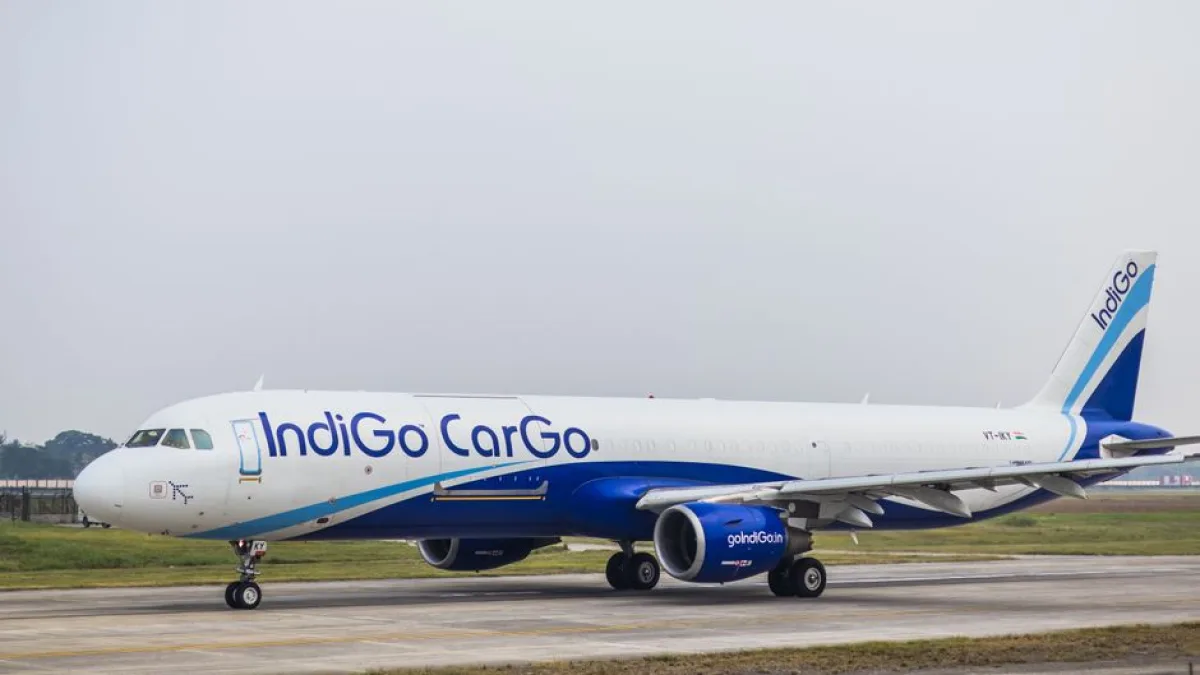
Providing customers with clear visibility requires reliable data flow from departure through final delivery. Advanced tracking solutions integrate seamlessly with airline systems to provide status updates, reducing the volume of status inquiries handled by your customer service department.
- Live tracking updates: Utilize cloud software to push automatic notifications to clients whenever a shipment moves between key checkpoints, keeping them informed throughout the entire logistics journey.
- Exception management alerts: Receive proactive notifications when shipments deviate from the planned route or face delays, allowing you to notify clients before they become aware of issues.
- Client portal access: Give your customers the power to monitor their own shipments via a secure web portal, which lowers your administrative support workload significantly.
- Data-driven performance tracking: Analyze transit times and carrier performance metrics to identify trends that help you optimize future shipping routes and improve overall service reliability.
Modern visibility tools turn shipment updates into a strategic advantage for freight forwarders. When clients access their data through a secure portal, trust increases while your internal team is freed from answering constant emails. Providing a reliable digital window into their supply chain ensures that customers feel supported at every stage, helping you foster deeper relationships and secure repeat business in competitive markets.
Managing Compliance Effectively

Compliance management is a critical function in air cargo that requires strict attention to international regulations. Digital platforms assist in maintaining high standards of data integrity while simplifying the process of preparing complex customs and security documentation for global shipments.
- Automated security filings: Ensure all air cargo security requirements are met by using software that validates data against regional regulatory standards before submission to government agencies.
- Standardized data management: Store all regulatory documents in a secure, centralized cloud environment that is easily searchable and accessible during audits or necessary customs inspections.
- Regulatory change monitoring: Rely on updated software configurations to reflect changes in international air freight laws, ensuring that your company remains compliant across all global operational territories.
- Integrated duty calculation: Apply accurate tax and duty logic directly within the freight platform to ensure financial transparency and prevent issues during the critical import customs process.
Maintaining regulatory compliance is non-negotiable for freight forwarders operating in global markets. When software handles the heavy lifting of data validation and documentation, your risk of fines or shipping delays decreases substantially. By embedding these standards into your digital infrastructure, you provide a safer, more reliable service that protects your reputation while streamlining the often cumbersome task of international customs clearance.
Driving Financial Efficiency

Financial health depends on accurate invoicing and cost control throughout the lifecycle of every air freight shipment. Integrated billing systems automate revenue recognition and expense tracking, ensuring that every cent is accounted for without the need for manual reconciliation tasks.
- Automated invoicing workflows: Generate and send invoices immediately upon shipment completion, which improves cash flow and reduces the time your accounting team spends on manual billing tasks.
- Cost and profit analysis: Gain deep insight into the profitability of every air freight shipment by comparing actual carrier costs against quoted customer prices in real-time.
- Streamlined payment processing: Offer digital payment options that make it easier for clients to settle accounts, ultimately reducing days sales outstanding and improving your liquidity position.
- Vendor reconciliation tools: Match carrier invoices against initial shipment files automatically to prevent overcharging and ensure that your company only pays for the services actually rendered.
Financial automation is the final piece of the puzzle for a modern freight forwarding business. By connecting your operational data to your financial records, you eliminate the gap between movement and revenue. This level of oversight empowers management to make better strategic decisions based on accurate data, ensuring that your air freight division remains profitable, sustainable, and ready for future expansion.