Optimizing Air Freight Operations with Modern Software Solutions
Monday, August 10 2026
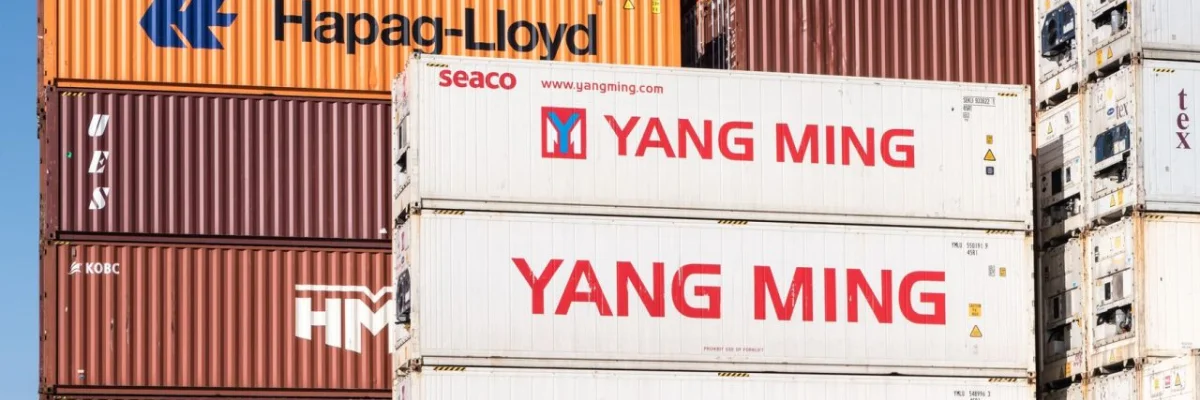
Air freight remains the fastest and most reliable mode of transportation for time sensitive global logistics. As global supply chains face increasing complexity, freight forwarders must transition away from outdated manual processes to maintain a competitive edge. Leveraging cloud based technology allows logistics professionals to manage volatile capacity, navigate intricate customs regulations, and ensure real time visibility for their end clients. By integrating automated tools into daily workflows, businesses can reduce human errors and accelerate the speed of booking. Embracing digital innovation is no longer optional for firms aiming to scale efficiently while delivering superior value to stakeholders worldwide.
Digitizing Booking Processes

Transitioning from traditional email communication to integrated digital booking systems transforms how freight forwarders interact with carriers. This shift eliminates repetitive manual data entry, significantly reducing administrative overhead while ensuring that critical shipping information is processed with speed and accuracy.
- Automated Instant Quoting: Modern software platforms provide instant pricing from multiple airline carriers, allowing users to compare costs and service levels to secure the best possible deal for clients.
- Seamless Booking Integration: Direct connections between your freight management system and carrier APIs enable users to finalize shipments in seconds without leaving the central dashboard or portal.
- Data Entry Accuracy: Automation tools automatically populate airway bills and commercial invoices, preventing costly mistakes that often occur when staff manually type shipping details into separate systems.
- Real Time Availability: Accessing live flight schedules and capacity status helps teams make informed decisions quickly, ensuring cargo moves on the most efficient routes currently available globally.
Adopting these digital solutions creates a foundation for operational excellence in a high speed environment. By removing the friction associated with manual documentation and phone based inquiries, your team can focus on complex logistics problems that require human expertise. This transition not only improves internal efficiency but also enhances the overall service experience for your customers who depend on reliable delivery updates.
Enhancing Shipment Visibility
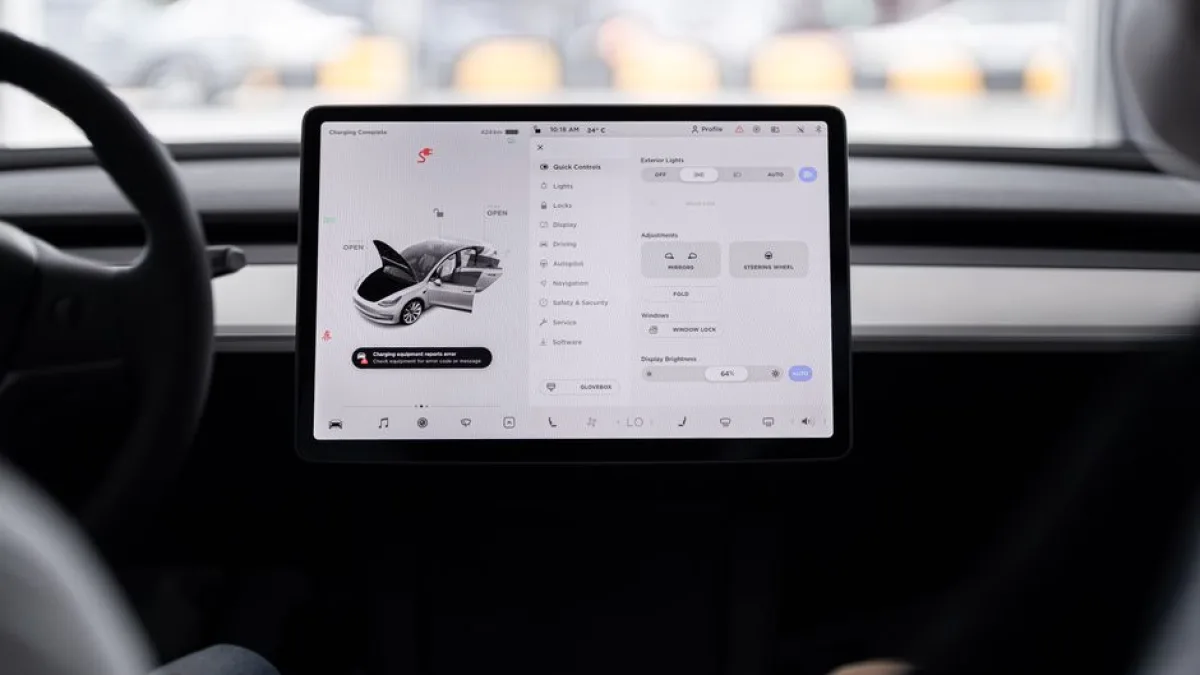
Real time tracking is the cornerstone of modern logistics, providing transparency that clients demand for high value shipments. Integrating live status updates directly into your client portal builds lasting trust and allows for proactive management of potential shipping delays.
- Live Status Monitoring: Advanced tracking integrations display the exact location and status of cargo across every stage of the journey, from pickup to the final airport arrival.
- Automated Client Notifications: Customizable email or SMS alerts ensure that customers receive automatic updates regarding flight departures, landings, or unexpected changes to the planned transit schedule.
- Proactive Delay Management: When tracking tools identify a potential bottleneck or flight cancellation, your operations team receives immediate warnings, allowing for rapid rerouting before impacts worsen.
- Enhanced Client Portals: Providing a dedicated portal where customers can view their own shipment journey reduces the number of inbound status inquiry calls your staff handles.
Visibility is more than just a tracking number provided to the final recipient. It serves as a vital tool for forwarders to demonstrate reliability and precision to their partners. When you offer clear insight into every shipment, you differentiate your brand from competitors who rely on delayed status updates. This level of transparency leads to stronger relationships and higher client retention rates.
Streamlining Compliance Procedures

Navigating the complex landscape of international customs regulations requires precision to avoid costly fines or shipping seizures. Automated compliance modules assist forwarders by validating documents against international standards to ensure every shipment meets the necessary legal requirements for air export.
- Regulatory Data Checks: Software modules automatically cross reference cargo data against international safety databases to flag restricted items before they reach the airport loading dock stage.
- Document Template Automation: Standardized templates for air waybills and manifests ensure that every document follows current airline and customs authority requirements, minimizing the risk of rejection.
- Digital Storage Systems: Keeping all compliance documentation in a secure cloud environment allows for instant retrieval during audits or inquiries from local government customs agencies globally.
- Currency Conversion Tools: Automated calculation of duties and taxes based on real time exchange rates helps forwarders provide accurate landing cost estimates to their diverse clients.
Managing compliance through automated systems provides peace of mind for both the forwarder and the shipper. By ensuring that every document is correct before it is submitted, your team can bypass common customs bottlenecks that result in extended hold times. This proactive approach to regulatory standards safeguards your reputation and ensures that cargo moves across borders without unnecessary legal or administrative interference.
Managing Carrier Relationships

Building strong relationships with airline carriers is essential for securing capacity during peak seasons. Modern freight software provides the analytical insights needed to negotiate better rates and hold carriers accountable for their service promises through detailed performance reporting and metrics.
- Performance Analytics Dashboards: Analytical tools visualize carrier performance over time, showing you which airlines provide the best reliability and transit times for specific trade lane shipping routes.
- Centralized Communication Logs: Keeping all correspondence with airline representatives in one accessible location ensures that team members have full context for negotiations or past service issues.
- Volume Tracking Reports: Tracking your total shipping volume allows you to present data driven cases to airline partners, helping you negotiate more favorable rate agreements annually.
- Dispute Resolution Tracking: Easily logging and tracking issues such as damaged cargo or missed flight connections helps your team resolve financial claims with airline partners much faster.
Strong carrier relations often dictate your success when capacity becomes scarce in the global market. Utilizing software to maintain a clear record of your partnership health allows you to maximize your leverage during contract renewals. By treating your carrier data as a strategic asset, you position your freight forwarding business to secure the best resources even during the busiest periods of the year.
Conclusion

Transforming your air freight operations requires a shift toward integrated cloud technology that connects every aspect of your business. By digitizing bookings, improving visibility, automating compliance, and leveraging carrier data, you can significantly increase your operational efficiency. Take the first step today by auditing your current workflows and identifying areas where MakeCargo can help you reach new levels of performance and growth.