Optimizing Air Freight Operations with Modern Software Solutions
Saturday, August 29 2026

The global air freight industry is currently navigating a period of unprecedented complexity, driven by shifting supply chain demands and the urgent need for real-time visibility. Freight forwarders are increasingly tasked with managing tighter schedules and higher customer expectations, making traditional manual processes feel obsolete. By adopting cloud-based platforms, logistics professionals can centralize communication, automate documentation, and improve overall operational agility. As we look toward the future, the integration of smart technology will be the defining factor for companies aiming to stay competitive in the fast-paced world of air cargo management and logistics coordination.
Digitizing Documentation Workflows
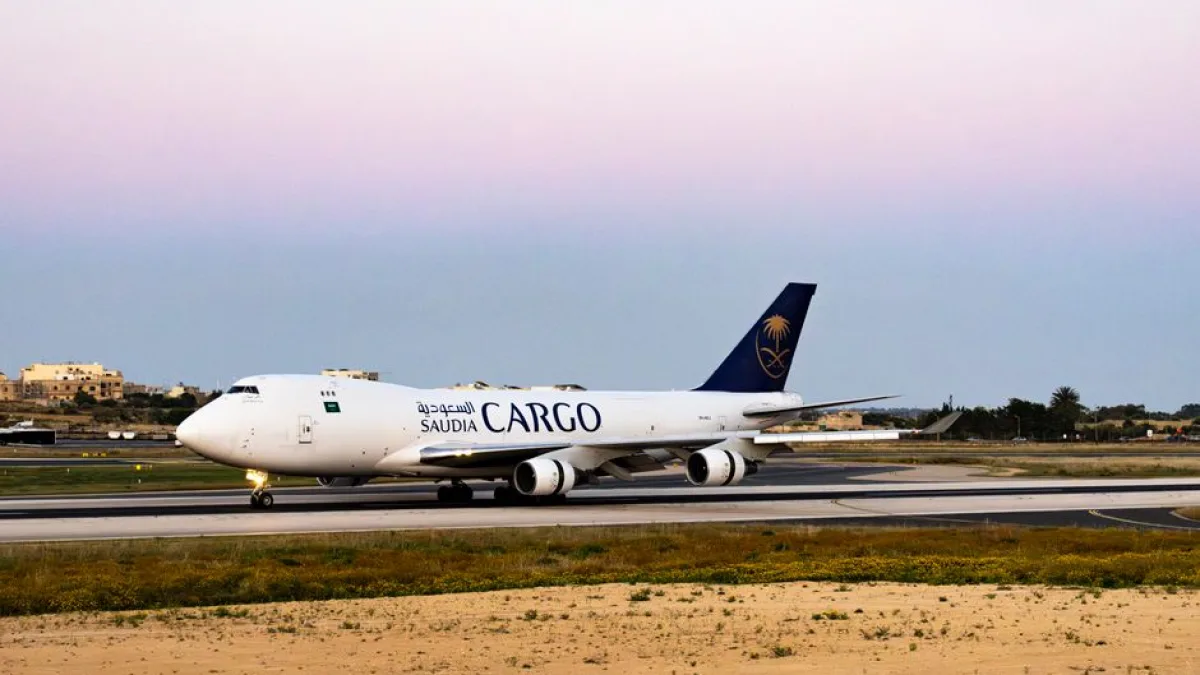
Managing mountains of paperwork is a major bottleneck in air freight forwarding. Digital platforms streamline the creation of airway bills, commercial invoices, and packing lists by pulling data directly from centralized client profiles to ensure speed and accuracy throughout operations.
- Automated Data Entry: Cloud software captures essential shipment data automatically, significantly reducing the manual effort required for documentation and eliminating common human errors during the initial booking process stage.
- Standardized Digital Forms: Using pre-built templates for international air cargo ensures that all regulatory requirements are met quickly, which helps in avoiding costly delays at the airport terminal.
- Instant Document Sharing: Freight forwarders can share critical transport documentation instantly with customs brokers, agents, and shippers, maintaining a seamless flow of information across the entire logistics chain.
- Version Control Systems: Secure digital storage keeps all document revisions in one place, allowing teams to track history and ensure that everyone is working with the most current files.
Transitioning to a paperless environment allows logistics firms to reclaim valuable time previously wasted on administrative overhead. When documentation workflows are digitized, employees can focus on high-value tasks such as customer relationship management and route optimization. This shift not only accelerates processing times but also creates a more scalable business model that can easily handle sudden spikes in cargo volume during peak seasons.
Enhancing Real-time Visibility
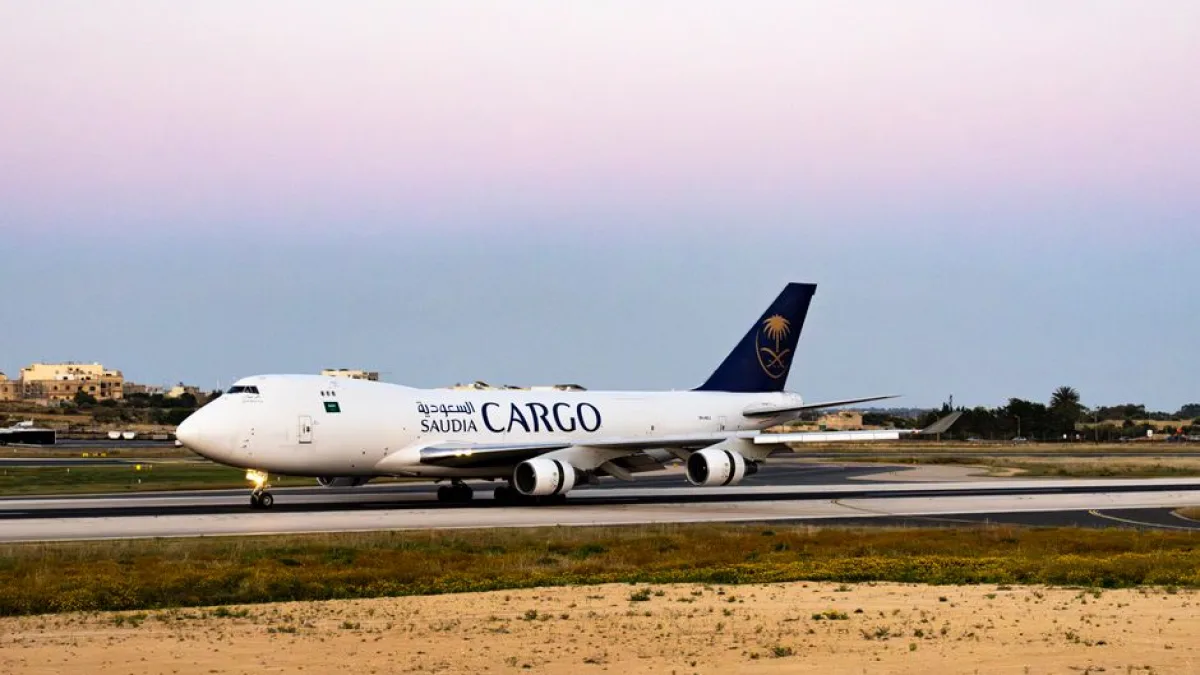
Providing clients with accurate shipment status updates is essential for maintaining trust in a volatile market. Modern software solutions offer integrated tracking features that pull live data from airline carriers to ensure everyone stays informed during transit.
- Live Shipment Tracking: Clients gain direct access to live location updates for their air freight, providing peace of mind and reducing the volume of status inquiries handled daily.
- Proactive Milestone Alerts: Automated notifications alert stakeholders immediately if a shipment faces delays or changes, allowing for rapid problem-solving before major issues impact the overall delivery schedule.
- Carrier Integration APIs: Direct connections with major airline databases pull precise flight data into your dashboard, ensuring that your tracking information remains accurate and reliable at all times.
- Mobile Access Portals: Field agents and warehouse staff can update shipment milestones using mobile devices, ensuring the platform reflects the most recent status of goods during transit.
Visibility serves as the backbone of modern freight forwarding, acting as a bridge between the provider and the end client. By utilizing a centralized tracking system, businesses reduce communication friction and build a reputation for reliability. When clients can see the progress of their cargo in real time, they feel empowered, which leads to higher retention rates and stronger partnership opportunities long-term.
Optimizing Air Capacity Planning
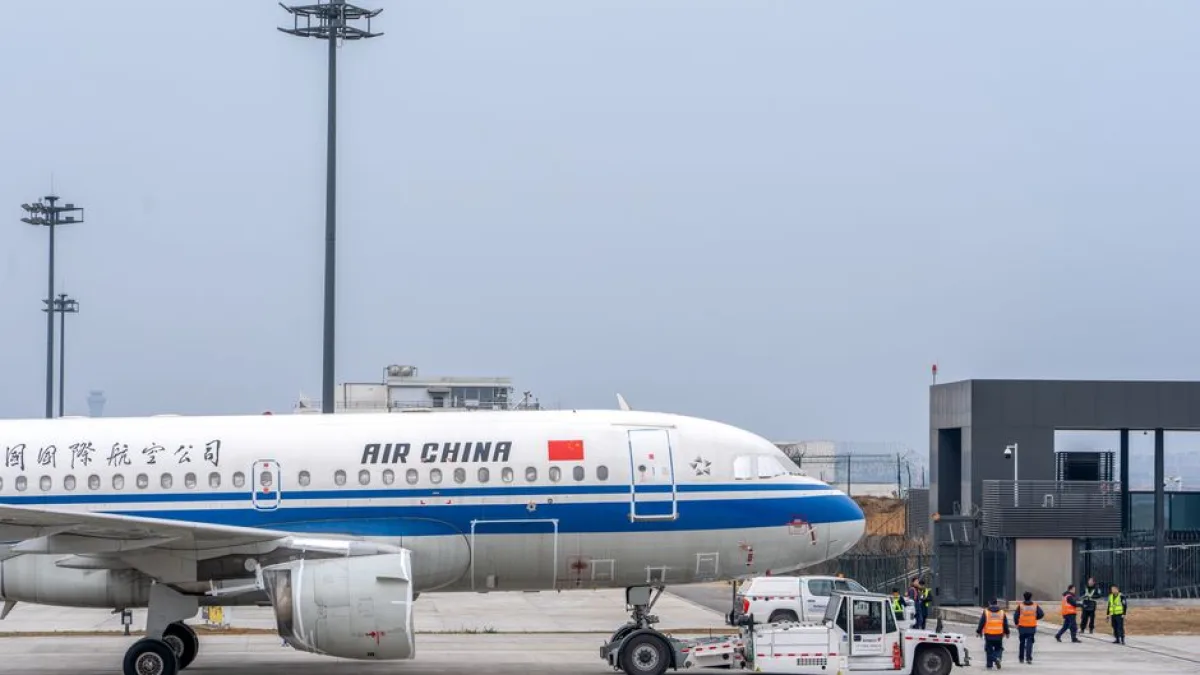
Effectively managing air capacity involves balancing available space with fluctuating cargo demands. Advanced software enables forwarders to analyze space utilization trends, helping them make smarter booking decisions that maximize profit margins while meeting client delivery deadlines consistently every time.
- Capacity Utilization Analysis: Advanced algorithms evaluate current space usage across different flight routes, helping managers identify opportunities to consolidate shipments and increase the total profit per flight leg.
- Market Rate Tracking: Digital platforms keep a record of current air freight rates, enabling teams to compare quotes quickly and choose the most cost-effective shipping options available.
- Dynamic Booking Management: Automated tools handle booking requests with airlines, adjusting for weight and volume requirements to prevent empty space and minimize waste throughout the transport process.
- Supplier Performance Metrics: Tracking the reliability and pricing of different airlines helps companies identify the best partners, ensuring that capacity planning is based on proven historical performance data.
Strategic capacity planning is the difference between a profitable operation and one that bleeds resources. When you have full oversight of your available space, you can act decisively to secure better rates and improve your margins. This data-driven approach removes the guesswork from booking, allowing your team to allocate assets efficiently while maintaining high service levels for your most demanding global cargo clients.
Streamlining Compliance and Security

Compliance with international air transport regulations is critical to avoiding heavy fines and security delays. Automated software helps forwarders stay ahead of shifting global standards by implementing mandatory security screening protocols and standardized reporting into their daily task management routines.
- Regulatory Compliance Alerts: The system monitors changes in global air freight laws, automatically prompting users to update their protocols whenever new security or trade regulations are introduced globally.
- Security Screening Logs: Maintaining digital records of security checks and screening history ensures that you can provide proof of compliance during any regulatory audits or customs investigations.
- Automated Customs Filings: Integrated tools submit necessary electronic customs declarations directly to authorities, ensuring accuracy while reducing the time spent preparing paperwork for international air shipments moving globally.
- Restricted Party Screening: Built-in checks verify shippers and consignees against international watchlists to ensure all air cargo operations remain within the boundaries of legal and ethical guidelines.
Prioritizing compliance and security protects your brand reputation while ensuring that shipments move through customs without unnecessary roadblocks. By embedding these checks into your daily software usage, you eliminate the risk of human oversight regarding sensitive security mandates. This robust framework allows your team to handle international shipments with confidence, knowing that all necessary precautions have been addressed thoroughly and recorded for accountability.
Conclusion

Modernizing your air freight operations through cloud-based software is no longer a luxury but a strategic necessity for sustainable growth. By prioritizing digital documentation, real-time visibility, capacity optimization, and strict compliance, you position your firm to thrive in a competitive industry. Start streamlining your workflow today by evaluating the tools that can turn your logistical challenges into streamlined, highly efficient, and profitable competitive advantages.