Optimizing Air Freight Operations with Modern Software
Saturday, September 19 2026

Air freight remains the heartbeat of global logistics for time-sensitive shipments and high-value cargo. As markets demand faster delivery windows and real-time visibility, freight forwarders must abandon manual processes that slow down operational agility. Integrating specialized cloud-based platforms allows companies to synchronize schedules, manage documentation, and communicate with carriers seamlessly. By leveraging automation, forwarders can mitigate the common pitfalls of human error while boosting throughput. This evolution is not just about keeping pace with competitors but about redefining the efficiency standards of the entire supply chain. Embracing digital transformation is the definitive strategy for achieving sustainable growth in modern logistics.
Digitizing Booking Workflows
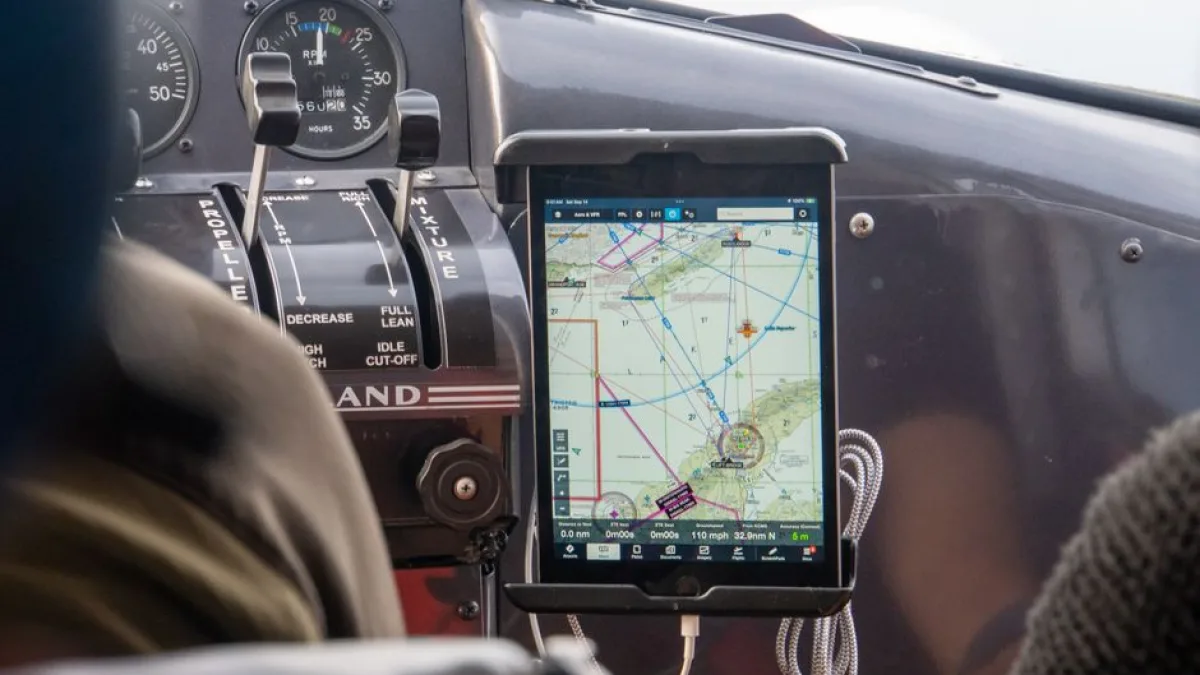
Managing airline space allocations requires precise coordination and constant data updates. Digital booking tools empower teams to secure capacity instantly while ensuring that every shipment detail aligns with carrier requirements, reducing manual data entry errors and speeding up the confirmation process.
- Automated space booking: Integrate your software directly with airline systems to view available capacity in real time and secure slots without the need for endless phone calls or emails.
- Instant rate comparison: Quickly evaluate pricing options from multiple carriers side by side to ensure you are providing the most cost effective solution to your high value clients.
- Dynamic schedule updates: Receive automated alerts regarding flight changes or delays so that you can proactively notify your customers before any significant impact on their supply chain.
- Centralized booking records: Store all transactional data in a single location to ensure that every team member has access to the latest status updates and documentation history.
Transitioning to automated booking flows transforms how your team interacts with airline partners. By removing the friction associated with traditional manual requests, you liberate your staff to focus on strategic client relationship management rather than repetitive administrative tasks. This digital shift ensures that your freight forwarding business remains responsive, accurate, and capable of scaling operations as demand fluctuates throughout the busy peak cargo shipping seasons.
Enhancing Real Time Visibility

Visibility is the primary expectation of modern logistics clients. By deploying advanced tracking technology, forwarders can provide granular transparency into the movement of goods from the warehouse floor to the final airport destination through sophisticated digital tracking interfaces.
- Live shipment updates: Utilize direct data feeds to provide customers with precise location data and status changes as their cargo progresses through the complex air freight network.
- Integrated milestone tracking: Automatically trigger status updates at every stage of the transit process to maintain total transparency for your partners and end clients without manual intervention.
- Mobile accessibility tools: Enable your logistics staff and customers to access shipment data on the go through mobile friendly interfaces that provide clarity from any remote location.
- Predictive delay warnings: Leverage advanced data analytics to anticipate potential bottlenecks or weather related disruptions before they occur so that your team can implement effective contingency plans.
Transparency builds trust and long term loyalty in the competitive world of international freight forwarding. When you provide stakeholders with accurate and immediate visibility into their shipments, you reduce anxiety and eliminate the need for constant status inquiries. This commitment to information transparency positions your company as a reliable partner capable of handling complex logistics challenges with total professionalism and operational excellence.
Streamlining Air Waybill Processing

Documentation accuracy is critical to avoiding delays during customs clearance and airport handling. Cloud software simplifies the creation and filing of air waybills, ensuring compliance with international aviation regulations while speeding up the movement of critical cargo across global borders.
- Template based generation: Reduce documentation errors by using automated templates that pull data directly from your booking system to create accurate air waybills in seconds every time.
- Digital document storage: Keep all shipping files in a secure cloud repository where they remain easily accessible for customs audits and future reference by your team members.
- Seamless carrier integration: Push documentation directly to airline systems through electronic data interchange protocols to ensure that all required files arrive ahead of the physical cargo shipment.
- Regulatory compliance checks: Utilize built in logic that validates your documentation against international air transport requirements to prevent common mistakes that lead to costly clearance delays.
Efficient document management is the backbone of a successful air freight operation. By automating the creation and submission of essential files, you minimize the risk of human error that typically leads to stalled cargo and detention fees. Maintaining a streamlined digital trail ensures that your operations remain compliant with global standards while significantly decreasing the time required to process every single shipment.
Managing Warehouse Throughput

Air cargo demands rapid turnaround times at the terminal facility. Software solutions enable freight forwarders to optimize warehouse workflows, ensuring that inbound shipments are processed, labeled, and prepared for airport transfer with maximum efficiency and minimal physical handling risks.
- Smart labeling systems: Generate high quality labels that meet international aviation standards to ensure that your cargo is correctly identified and handled by airline ground crew staff.
- Inventory management tools: Track all goods currently inside your facility with precision to prevent loss and ensure that every item is accounted for before it departs.
- Efficient loading planning: Use advanced software features to calculate the most efficient way to palletize cargo based on specific dimensions and weight restrictions for aircraft types.
- Real time throughput metrics: Monitor the performance of your warehouse operations to identify productivity bottlenecks and implement data driven solutions that enhance the speed of cargo handling.
Optimized warehouse processes are essential for maintaining the fast speeds that define air freight. By aligning your physical logistics operations with your cloud software, you ensure that every shipment moves through the terminal without unnecessary friction or delay. This synchronization allows your team to handle larger volumes of freight while maintaining a high standard of accuracy, safety, and operational reliability for all clients.
Conclusion

Modernizing your air freight business with cloud software is an essential step toward long term operational success. By digitizing workflows and embracing real time data, your company will overcome traditional logistics hurdles with ease. Use these strategies to enhance your efficiency and provide superior service to your global clients. Start your digital transformation journey today and watch your freight forwarding business thrive in an increasingly competitive industry.