Optimizing Air Freight Operations with Modern Software
Saturday, September 26 2026

The air freight industry remains a critical pillar of global trade, demanding speed, precision, and agility in an increasingly volatile market. As freight forwarders manage complex international shipments, the transition from manual, paper-heavy workflows to digital platforms has become an absolute necessity for survival. Leveraging cloud-based technology allows logistics providers to achieve greater visibility, reduce costly human errors, and provide superior service to their global clients. By centralizing operations, businesses can navigate the intricacies of airport handling, customs compliance, and real-time tracking with newfound efficiency, ensuring that cargo moves seamlessly through the air network while maintaining profitable margins despite rising fuel costs.
Streamlining Booking Processes
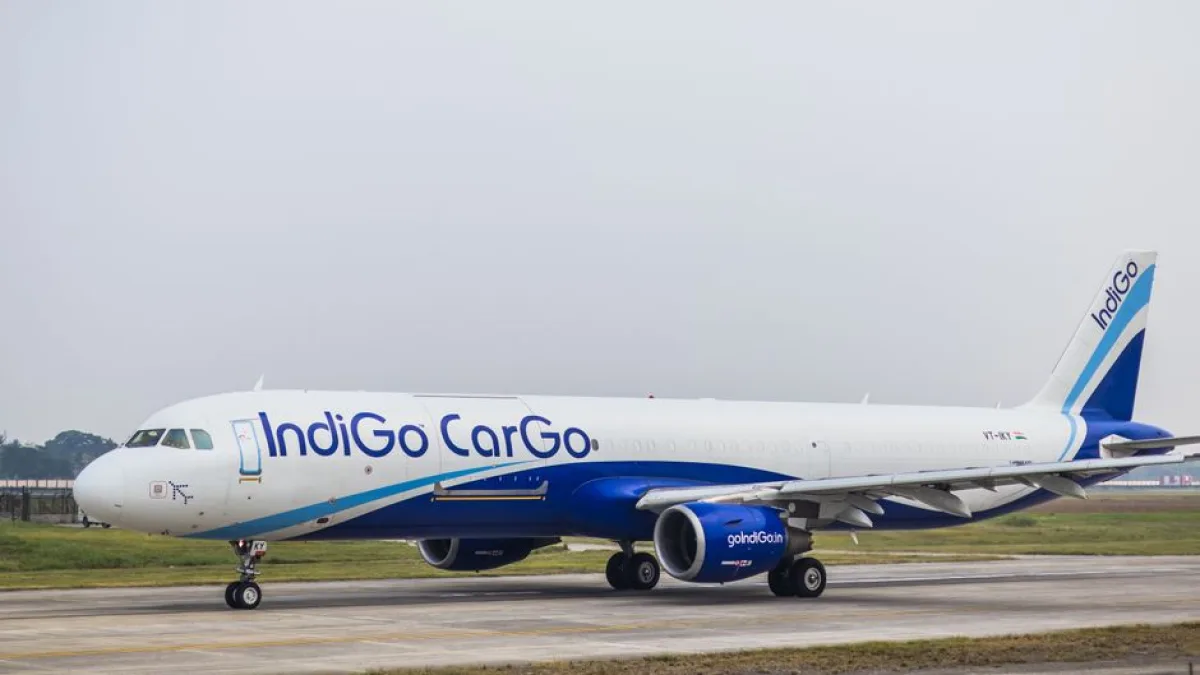
Efficient booking management transforms how freight forwarders handle capacity requests by automating data entry and communication. Modern cloud systems integrate directly with airlines to ensure that space allocations are managed accurately and promptly, reducing the administrative burden on your busy operational teams.
- Automated capacity requests: Instantly sync your booking requirements with airline portals to secure space quickly, eliminating the need for tedious manual email exchanges and phone calls that delay urgent departures.
- Instant rate comparison: Quickly compare pricing across multiple carriers within the software interface to ensure your team selects the most cost-effective routing options for every specific client request.
- Centralized document management: Store all essential booking confirmation documents and flight schedules in one secure cloud location, making it easy for team members to access vital shipment information anytime.
- Real-time status updates: Automatically trigger status notifications for your customers as soon as booking details are confirmed, which significantly enhances transparency and builds long-term trust with your partners.
Adopting automated booking tools reduces the time spent on repetitive tasks by a significant margin. This shift allows your staff to focus on high-value activities such as client acquisition and strategic route planning rather than manual data entry. Consequently, your company can process a higher volume of shipments while maintaining high standards of accuracy, which ultimately results in better service delivery and increased operational profitability.
Enhancing Real-Time Cargo Visibility

Providing customers with live tracking capabilities is now a baseline expectation in the air cargo sector. Modern software platforms aggregate data from carriers and ground handlers to provide a single view of shipment progress throughout the entire air transit journey.
- End-to-end tracking: Monitor your freight from the moment it leaves the warehouse floor until it reaches the final destination airport, providing complete visibility throughout the entire shipping process.
- Proactive delay alerts: Receive immediate automated notifications regarding flight delays or warehouse bottlenecks, allowing your team to communicate effectively with clients before any major issues disrupt their supply chain.
- Client portal access: Empower your customers by giving them secure access to their own tracking dashboards, which reduces the number of status inquiry emails your team must answer.
- Historical data analytics: Analyze past shipment performance and carrier reliability data to make informed decisions for future logistics planning, ensuring that you choose the most dependable airline partners.
Visibility serves as the cornerstone of customer satisfaction in air freight logistics. When you provide accurate, real-time data, you minimize uncertainty for your clients and reduce the administrative overhead related to manual status updates. Investing in robust tracking tools demonstrates a commitment to transparency, which strengthens your competitive position in the market and leads to higher retention rates among your most valuable global customers.
Mastering Air Freight Documentation

Managing complex air waybills and customs paperwork requires extreme precision to avoid costly delays at the airport. Integrated software helps automate document generation and ensures that all compliance fields are populated correctly according to international aviation safety and shipping regulations.
- Auto-fill documentation: Generate air waybills and invoices instantly using the data already stored in your shipment file, which effectively prevents common errors caused by manual typing during the process.
- Compliance validation checks: Utilize built-in software logic to verify that all necessary regulatory information and security declarations are included before you submit any electronic documents to the carriers.
- Secure digital storage: Keep all international shipping documents organized in a searchable cloud environment, ensuring that you are always prepared for audits and regulatory inspections by aviation authorities.
- Electronic transmission speed: Send customs-ready documentation directly to destination authorities or partner agents across the world, significantly reducing the downtime associated with physical document handling at busy hubs.
Precision in documentation is non-negotiable within the fast-paced environment of air freight. By utilizing software that validates information in real time, forwarders can avoid penalties and ensure that cargo clears customs without unexpected hurdles. This systematic approach to paperwork transforms a traditionally stressful task into a streamlined workflow, enabling your team to handle complex documentation requirements with confidence, consistency, and a professional level of accuracy.
Optimizing Warehouse and Ground Handling

The final mile and warehouse operations are often where air freight efficiency is either won or lost. Cloud platforms allow you to manage cargo arrivals and palette builds, ensuring that the ground operations team is always synchronized with the latest air schedule.
- Integrated inventory control: Manage your warehouse space and pallet configurations within the same interface used for booking, ensuring that cargo is staged correctly for upcoming flight departures every day.
- Optimized pallet planning: Utilize intelligent software tools to calculate the most efficient loading patterns for air containers, maximizing your use of available space and reducing overall shipping costs.
- Smart label printing: Generate accurate shipping labels and hazard documentation directly from your dashboard, ensuring that all ground personnel handle your specific cargo with the correct safety protocols.
- Resource scheduling tools: Coordinate your warehouse staff and local trucking partners effectively by syncing loading schedules with flight ETAs, preventing costly overtime and truck waiting time at airports.
Optimized ground handling ensures that the speed gained in the air is not lost on the tarmac. By synchronizing your internal warehouse processes with global flight schedules through a unified platform, you maintain a consistent flow of goods. This level of coordination minimizes bottlenecks at the airport, ensuring that your air freight shipments remain on schedule and your operational costs stay strictly under control.
Conclusion

Integrating cloud technology into your air freight business is the most effective way to drive growth and operational excellence. By focusing on automated booking, real-time visibility, precise documentation, and efficient ground handling, you position your firm as a leader in the logistics market. Start streamlining your operations today with MakeCargo to deliver the speed and reliability that modern shippers expect from their partners.