Optimizing Air Freight Operations with Modern Software Solutions
Thursday, August 6 2026
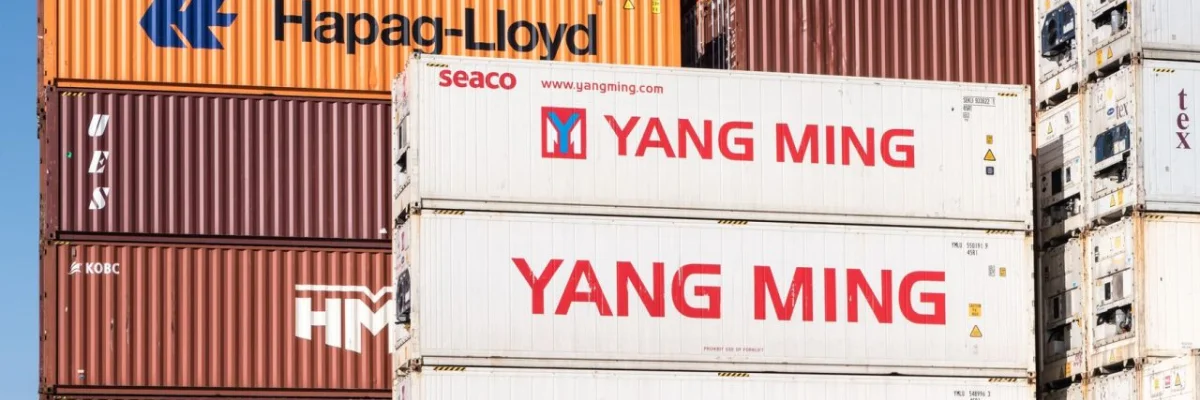
The global air freight industry is currently navigating a period of unprecedented complexity, driven by shifting market demands and the urgent need for faster transit times. Freight forwarders are increasingly looking toward cloud-based platforms to bridge the gap between traditional manual processes and the high-speed requirements of modern supply chains. By integrating digital solutions, logistics businesses can enhance visibility, improve operational accuracy, and maintain a competitive edge in a crowded market. As we explore the key pillars of optimizing air freight, it becomes clear that adopting the right technology is no longer a luxury but a fundamental necessity for sustainable growth.
Streamlining Booking Workflows

Digital transformation starts with how your team manages initial flight bookings and capacity allocation. Modern software allows agents to bypass legacy systems, facilitating faster communication and real-time schedule updates that keep stakeholders informed and prevent costly errors during the early planning stages.
- Automated Rate Comparisons: Instantly compare prices across multiple airline partners to ensure your customers receive the most cost-effective routing options available for their specific time-sensitive cargo requirements today.
- Centralized Booking Portals: Consolidate all your flight reservations into one unified dashboard to eliminate fragmented communication and ensure that every team member has access to current documentation.
- Real-time Capacity Checks: Gain immediate insights into available cargo space on upcoming flights, allowing you to make informed decisions and secure necessary volume without manual phone calls.
- Integrated Documentation Tools: Generate air waybills and customs paperwork directly within the platform, reducing the risk of administrative data entry mistakes that cause significant international shipping delays.
Optimizing the booking process is the first step toward reclaiming lost time and resources. By utilizing cloud-based tools, your team can pivot quickly when flight schedules change or when cargo volumes surge unexpectedly. This proactive approach ensures that your operations remain resilient, allowing you to focus on high-value tasks while the software handles the repetitive administrative data entry that previously consumed your staff hours.
Enhancing Real-time Cargo Visibility
Visibility remains the most critical factor for shippers who trust your company with their high-value goods. Providing live tracking data allows you to offer proactive communication, turning potential logistical bottlenecks into manageable events through transparent reporting and constant digital connectivity with global partners.
- Live Shipment Status: Enable your clients to track their freight from warehouse departure to final airport arrival using interactive maps and automated system status update notifications.
- Proactive Milestone Alerts: Configure the software to trigger automatic updates at every critical logistics milestone, ensuring that stakeholders are always informed before problems actually impact delivery.
- Integrated Carrier Data: Synchronize your platform with airline tracking APIs to pull the latest information directly into your workflow without needing to visit multiple carrier websites.
- Customized Client Reports: Generate detailed performance reports that highlight transit times and delivery success rates, providing your customers with the high-level analytics they need for planning.
Superior visibility is the cornerstone of building long-term trust with your client base. When customers can see exactly where their cargo is at any moment, they are far more likely to remain loyal. Our software ensures that your team acts as a partner in their success, providing the clarity required to navigate today's unpredictable logistics environment with confidence and precision at every step.
Mastering Customs and Compliance

Navigating the complex landscape of international customs regulations requires a robust digital foundation to ensure compliance and avoid heavy fines. Modern systems automatically update their databases to reflect changing trade laws, keeping your operations safe and compliant across every global jurisdiction you serve.
- Regulatory Update Integration: Automatically receive alerts regarding changes in international trade laws and customs requirements to ensure that every shipment follows current local and national regulations.
- Digital Document Storage: Maintain a secure and organized digital repository for all shipping records, which simplifies the auditing process and ensures fast retrieval of historical data.
- Automated Error Checks: Utilize intelligent scanning algorithms that identify missing signatures or incorrect HS codes before you submit paperwork, effectively preventing shipment holds and clearance delays.
- Simplified Duty Calculation: Access built-in calculators that estimate duties and taxes based on real-time data, providing your customers with accurate financial transparency from the very start.
Compliance management is often the most stressful aspect of air freight for both forwarders and shippers. By automating the validation process, your staff can operate with peace of mind knowing that every form and classification is handled correctly. This shift reduces the likelihood of manual intervention, allowing your business to handle higher volumes of international trade without sacrificing the quality or speed of service.
Leveraging Advanced Data Analytics

Data is the most valuable asset your company owns, provided you have the right tools to interpret it. Cloud platforms turn raw logistics information into actionable business intelligence, helping you identify trends, reduce overhead costs, and optimize your carrier relationships for maximum long-term profitability and growth.
- Performance Trend Analysis: Identify patterns in your carrier usage to negotiate better rates based on your actual volume commitments and historical shipment data across different regions.
- Operational Bottleneck Identification: Pinpoint the specific stages in your workflow where delays occur most frequently, allowing you to implement targeted improvements that boost your overall cargo efficiency.
- Cost Saving Opportunities: Analyze total landed costs and secondary charges to find hidden areas where you can trim expenses without impacting the speed of service delivery.
- Scalable Growth Planning: Use predictive modeling tools to forecast future demand, ensuring that your team and infrastructure are prepared to handle peak seasons or sudden growth.
Using analytics effectively allows your business to move beyond reactive management and start building a strategic roadmap for the future. By understanding exactly how your resources are utilized, you can make informed decisions that drive profitability. Investing in these insights means you are not just keeping pace with the market, but actively positioning your freight forwarding firm to lead the industry forward.
Conclusion
Integrating technology into your air freight workflow is essential for modern success. By embracing digital booking, real-time visibility, strict compliance, and data-driven strategy, your team will significantly improve operational speed and client satisfaction. Start optimizing your logistics today by choosing a cloud-based platform designed specifically for the needs of forwarders. Transform your operations and drive growth with the right software partner by your side.