Optimizing Air Freight Operations with Modern Software Solutions
Saturday, August 8 2026

The global supply chain relies heavily on the speed and precision of air freight to keep modern commerce moving at a rapid pace. As freight forwarders manage increasingly complex logistics demands, the need for integrated, cloud-based software has never been more critical. By leveraging digital platforms, companies can eliminate manual bottlenecks, gain real-time visibility into shipments, and improve communication across international borders. This shift toward automation allows businesses to focus on growth while ensuring that every flight remains profitable. Embracing modern technology is the most effective way to stay ahead in a competitive industry where speed defines ultimate success.
Streamlining Booking Processes

Digital booking interfaces transform how freight forwarders interact with airline capacity providers by replacing slow manual entries. Automated platforms allow teams to compare rates and flight schedules instantly while reducing human errors that often lead to costly delays for high-value air shipments.
- Instant Rate Comparison: Software tools allow forwarders to compare various airline quotes in real time, ensuring that clients receive the most cost-effective and efficient shipping options for their cargo.
- Automated Booking Confirmations: Systems trigger automatic alerts to customers once a space is secured, removing the need for manual follow-up emails and keeping clients informed during the booking phase.
- Error Reduction Measures: Digital input forms validate data automatically to prevent common typos or missing documentation, which significantly reduces the risk of shipments being held by customs authorities.
- Capacity Management Tools: Managers gain a clear overview of available space across multiple routes, helping them allocate resources effectively and maximize the utilization of every scheduled cargo flight.
By digitizing the booking stage, firms significantly enhance their operational efficiency and service quality. This transition minimizes administrative burden, allowing professional staff to prioritize complex logistics planning over repetitive clerical tasks. As a result, companies experience faster turnaround times and improved relationships with their airline partners. Modernizing this specific link in the chain creates a solid foundation for sustainable growth in the air freight market.
Real-Time Cargo Tracking
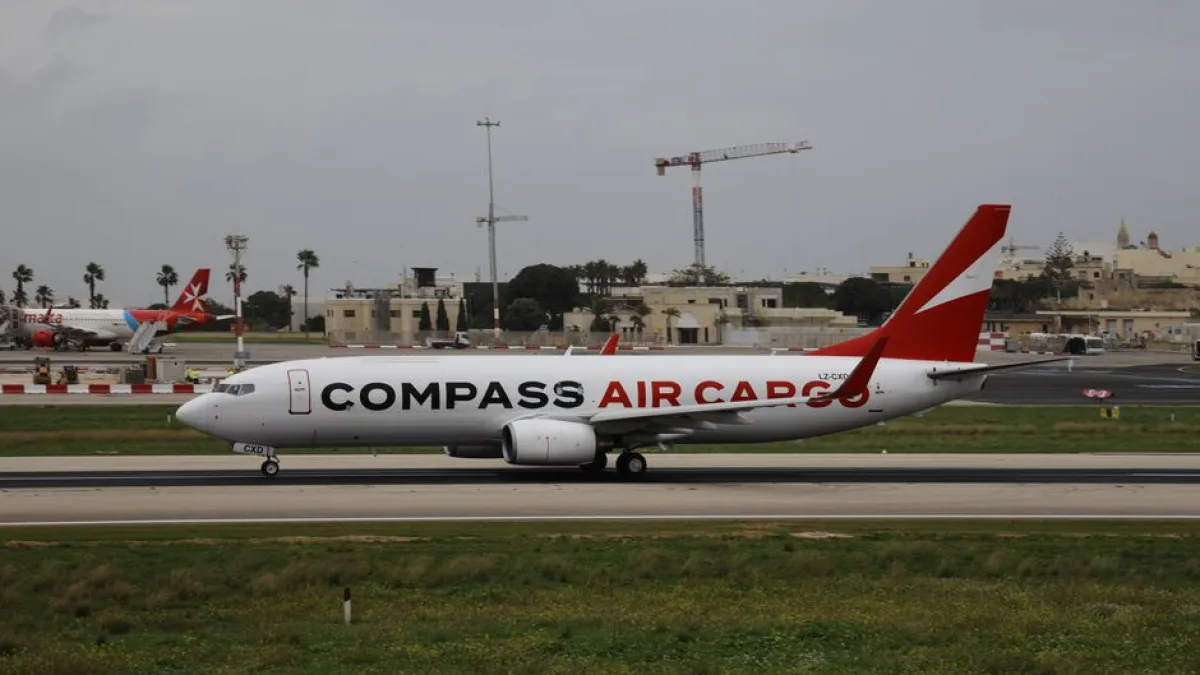
Visibility remains a top priority for shippers who require constant updates regarding the status of their air cargo during transit. Advanced tracking modules provide granular data that connects the warehouse, the tarmac, and the end destination into one cohesive system.
- Live Shipment Updates: Clients receive automatic notifications regarding their cargo location and status, providing peace of mind and reducing the volume of status inquiries sent to your team.
- Geofencing Alert Systems: Digital tools track planes as they cross specific points, triggering automatic status updates that notify stakeholders the moment cargo arrives or departs an airport facility.
- Integrated Tracking Portals: Customizable portals allow shippers to view their own data, creating a transparent experience that builds long-term trust and differentiates your firm from competitors.
- Exception Management Alerts: Intelligent software detects potential delays due to weather or scheduling conflicts, allowing proactive teams to reroute shipments before the cargo misses its planned connection.
The ability to provide accurate, real-time updates is a competitive advantage that clients value highly. By integrating advanced tracking solutions, forwarders reduce the stress associated with volatile transport schedules and improve overall customer satisfaction levels. Providing this level of transparency is essential for modern business operations. It builds deep trust while allowing the operations team to handle potential delays before they impact the bottom line.
Digital Documentation Management

Paperwork remains a significant pain point for air freight operations, but cloud-based solutions have digitized the entire process. Storing and sharing critical documents electronically ensures that compliance teams have immediate access to necessary files during high-pressure clearance and transit phases.
- Paperless Compliance Storage: All shipping documents are kept in a secure, centralized cloud database, making retrieval fast and simple for audits or routine verification by local customs officials.
- Automated Document Generation: The software pulls data from existing bookings to auto-fill air waybills and commercial invoices, saving hours of manual data entry while ensuring consistent document quality.
- Secure Sharing Channels: Encrypted portals allow for the safe transfer of sensitive shipping data between agents, airlines, and customs brokers without relying on insecure email attachments or physical copies.
- Version Control Systems: Every update to a document is tracked and saved, which prevents confusion regarding the latest version of shipping paperwork and ensures all parties stay aligned.
Streamlined documentation processes are vital for maintaining high speed in air freight. By removing paper-based workflows, teams reduce their reliance on manual labor and minimize the likelihood of misplacing critical files. This digital approach creates a cleaner environment where data flows seamlessly between departments. Ultimately, your staff can process more shipments with fewer resources, leading to higher profitability and improved operational compliance standards.
Strategic Airline Partnerships
Building strong relationships with airlines is easier when you have data-driven insights to guide your negotiations. Software analytics help freight forwarders understand their volume trends and identify opportunities for better volume-based rates, helping to create a symbiotic relationship with key global cargo carriers.
- Volume Trend Analytics: Reviewing historical shipping data helps firms negotiate better contracts with airlines by presenting clear evidence of cargo volume and consistent demand throughout the shipping year.
- Carrier Performance Tracking: Automated reports evaluate the reliability of each airline, helping your team choose the best partners based on historical speed and the accuracy of cargo handling.
- Capacity Allocation Planning: Forwarders use analytical tools to predict peak shipping seasons, allowing them to secure necessary capacity in advance and avoid the volatility of spot markets.
- Revenue Optimization Insights: Analyzing the profit margins of each airline partnership ensures that the business focuses its resources on the most profitable routes and highest performing cargo carriers.
Strategic management of carrier relationships is the key to thriving in a crowded market. When data drives your partnership strategy, you gain better leverage and more reliable service for your customers. This level of professional insight positions your freight forwarding business for long-term success. By continuously refining these connections through smart software, you ensure that your operations remain efficient and highly profitable.
Conclusion

Optimizing air freight operations requires a commitment to digital transformation and the adoption of modern cloud-based tools. By streamlining booking, tracking, documentation, and carrier management, forwarders can achieve unmatched levels of productivity. Start your journey toward a more efficient future by integrating these advanced software solutions today. Staying ahead in the air freight industry depends on your ability to leverage technology for faster, smarter results.