Optimizing Air Freight Operations with Modern Software Solutions
Wednesday, August 12 2026
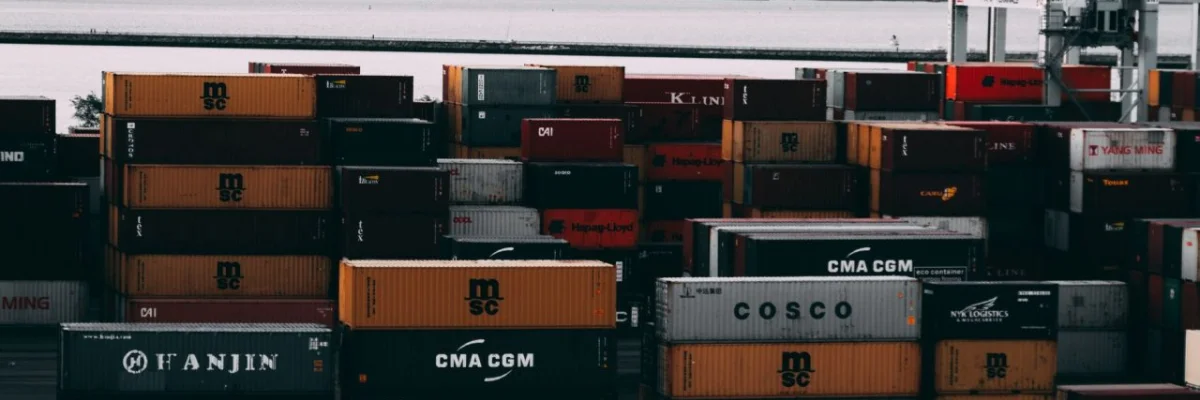
The global air freight landscape is evolving at a rapid pace, demanding higher levels of agility and digital precision from freight forwarders. As supply chain complexities mount, the reliance on manual processes often becomes a significant bottleneck for businesses aiming to scale their operations. By integrating cloud-based software, forwarders can synchronize their complex logistics workflows, reduce human error, and provide real-time visibility to clients. This strategic transition towards digital infrastructure not only improves operational efficiency but also strengthens market competitiveness. Embracing modern technology is now essential for those dedicated to navigating the fast-moving world of global air logistics with reliability and speed.
Streamlining Booking Processes

Digital platforms transform the traditional booking experience by replacing scattered email chains with centralized automated systems. This transition allows teams to manage capacity requests and confirm space with major airlines in just a few clicks, ensuring faster turnaround for time-sensitive air shipments.
- Instant Quote Generation: Automated calculation engines allow your team to provide instant rate quotes to customers, significantly reducing response times while maintaining accurate profit margins across all your air bookings.
- Automated Capacity Booking: Our software facilitates seamless communication with airline carriers, allowing for real-time space confirmation that eliminates the uncertainty often associated with traditional manual telephone booking methods used today.
- Centralized Documentation Management: All essential shipping documents are securely stored in a single repository, ensuring your team has immediate access to airway bills and manifests whenever they are required by customs.
- Real-time Schedule Updates: Integrated flight data feeds provide automatic notifications regarding departure times and potential delays, allowing your operations staff to proactively manage client expectations without manual tracking efforts.
By digitizing the booking stage, your agency gains a superior competitive advantage that attracts high-value clients needing urgent cargo movement. Eliminating manual data entry minimizes the risk of costly billing errors and speeds up the entire operational cycle. Investing in these digital tools means your staff spends less time on administrative burdens and more time growing the business through improved customer relationship management.
Enhancing Real-time Shipment Visibility

Visibility is the backbone of modern freight forwarding, providing clients with peace of mind through constant tracking updates. Advanced cloud software connects directly with airline milestones, ensuring that every leg of the journey is monitored and reported with absolute precision and clarity.
- Proactive Tracking Notifications: Automated alerts keep your customers informed at every stage of the transit process, reducing the volume of inbound status inquiries and boosting overall client trust levels.
- Comprehensive Milestone Mapping: Visual tracking interfaces show exactly where cargo is located at any moment, helping logistics coordinators identify bottlenecks before they impact final delivery schedules for your clients.
- Integrated Carrier Connectivity: Seamless API connections with major air carriers ensure that tracking data is synchronized automatically, preventing the discrepancies that arise from manual entry or outdated carrier portals.
- Customizable Customer Dashboards: Provide your clients with private portal access to view their shipment status independently, offering a transparent experience that distinguishes your company from competitors relying on manual updates.
Transparent communication remains the single most important factor for retaining long-term clients in the competitive air freight sector. When your customers have full visibility into their cargo movement, they can manage their own supply chains with greater confidence. This level of service excellence is only achievable through robust digital connectivity, which ultimately positions your freight forwarding firm as a reliable and professional logistics partner.
Optimizing Warehouse and Ground Handling
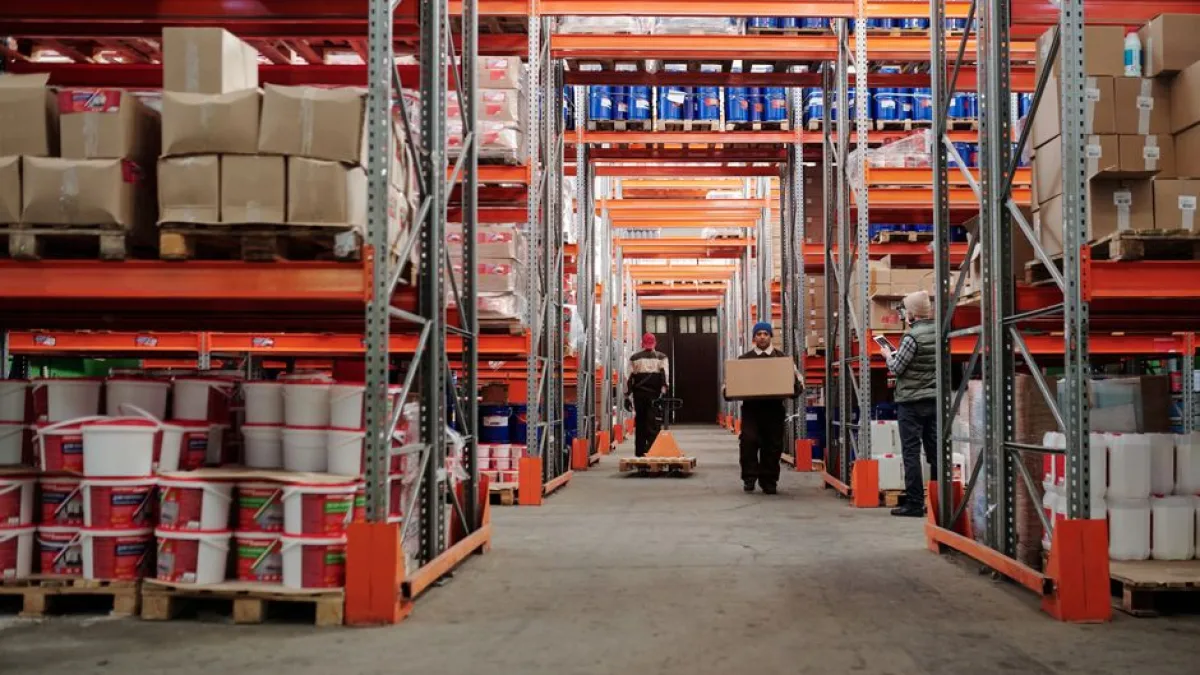
Efficient warehouse operations are critical for successful air freight, where speed is the primary value proposition. Modern software streamlines ground handling by managing intake, storage, and outbound load planning, ensuring that physical cargo movement matches the digital documentation stored within your cloud-based platform.
- Digital Intake Procedures: Warehouse staff can scan labels upon arrival, instantly updating your central system to confirm cargo receipt and triggering necessary updates for the booking and customs teams.
- Optimized Load Planning: Intelligent tools help staff organize cargo based on weight, volume, and priority, maximizing airline unit load device utilization and reducing the overall costs for your shipments.
- Automated Warehouse Labeling: Generate standardized shipping labels automatically within the platform, ensuring compliance with international air transport regulations and speeding up the physical handling process at the airport.
- Seamless Inventory Control: Keep precise records of cargo currently held in your facilities, which simplifies audits and improves accuracy when consolidating shipments for specific international airline flight departures.
When physical handling is perfectly aligned with digital data, your warehouse becomes a highly efficient engine for your logistics business. Eliminating paper trails reduces the likelihood of misplaced cargo and speeds up the transition from arrival to departure. By prioritizing software-led warehouse management, you ensure that every shipment moving through your facilities is handled with maximum efficiency and strict regulatory compliance.
Mastering Compliance and Documentation

Navigating the complex maze of international air cargo regulations requires absolute accuracy in documentation. Cloud-based software automates the creation of mandatory forms, ensuring that every shipment meets strict local and international standards, which helps avoid customs delays or heavy fines during the transit process.
- Automated Regulatory Filings: Generate and submit required customs documentation directly through the platform, ensuring that your shipments comply with local government regulations without the need for manual form preparation.
- Dynamic Compliance Checks: Built-in validation rules flag potential errors in your documentation before submission, preventing common mistakes that lead to costly shipments delays or rejected customs declarations in transit.
- Security Data Submission: Easily transmit required security information to relevant civil aviation authorities, meeting all international safety standards while maintaining the necessary speed required for fast air freight.
- Archived Audit Trails: Every document generated and every communication sent is saved within the system, providing a complete audit trail that simplifies future inspections and internal record keeping.
Managing compliance through a centralized software system protects your business from the risks associated with human error and regulatory oversight. By automating documentation, you ensure that your shipments move through customs borders without unnecessary friction or costly delays. This meticulous attention to detail establishes your reputation as a professional forwarder who prioritizes security and compliance in every single air freight transaction.
Conclusion

Adopting advanced software is no longer optional for air freight forwarders aiming to survive in a digital market. By automating bookings, enhancing visibility, and streamlining compliance, your business can achieve new heights of operational excellence. Start your digital transformation today to reduce costs, minimize errors, and deliver an unmatched experience for your clients. The future of logistics belongs to those who embrace innovative technology.