Optimizing Air Freight Operations with Modern Software Solutions
Monday, September 14 2026
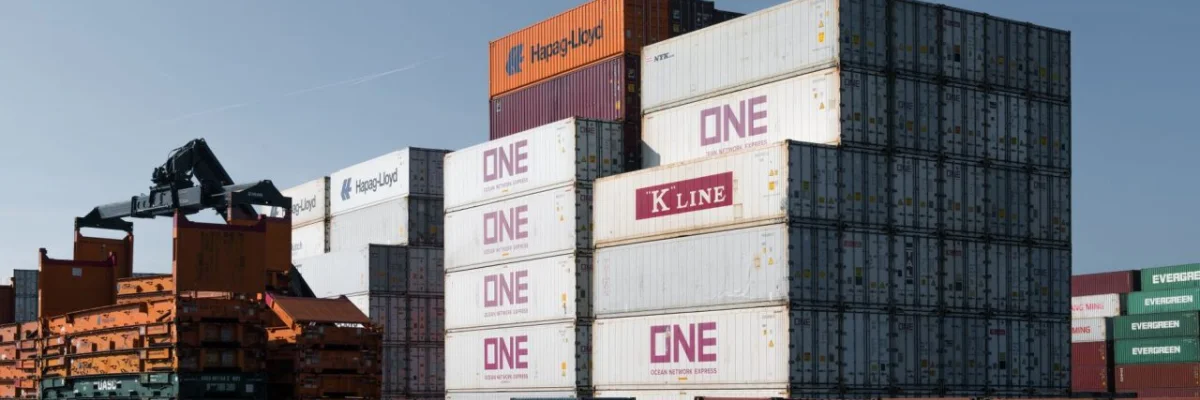
The landscape of air freight is undergoing a rapid transformation as global trade demands faster cycles and greater transparency. For freight forwarders, the pressure to maintain peak operational efficiency while navigating complex customs regulations and volatile pricing is immense. Manual processes that once served the industry are now bottlenecks that limit growth and invite costly human errors. By adopting integrated, cloud-based software platforms, professionals can now automate documentation, gain real-time shipment visibility, and enhance collaboration across the entire supply chain, ensuring that cargo moves seamlessly through the skies despite the various challenges inherent in international logistics management today.
Digitizing Essential Documentation

Transitioning from paper trails to digital formats is the primary step in modernizing your air freight workflow. Automated documentation reduces the administrative burden on your team while minimizing the risk of errors during crucial customs clearance processes or data entry phases.
- Electronic Air Waybills: Implementing e-AWB protocols eliminates physical paperwork and accelerates the processing speed of your shipments through major international hubs and various local customs checkpoints worldwide.
- Automated Customs Filing: Integrated systems sync your cargo data directly with customs authorities to ensure compliance and prevent costly delays that often arise from incomplete shipment declarations.
- Standardized Data Formats: Adopting universal data standards allows your software to communicate seamlessly with airlines, shippers, and ground handlers, creating a unified flow of information across systems.
- Cloud Document Storage: Securely store all logistics records in a centralized cloud environment where team members can access necessary files instantly from any location around the globe.
- Real-time Error Validation: Built-in validation tools check your data against international requirements before submission, catching common mistakes that would otherwise delay your critical cargo shipments significantly.
By shifting to a digital-first approach, your freight forwarding company gains a significant competitive advantage in the market. Reducing reliance on manual intervention creates a scalable foundation that allows your business to process more shipments without increasing overhead costs. This transformation not only streamlines your internal operations but also builds trust with clients who value precision, speed, and reliability in their air freight supply chains.
Enhancing Real-time Shipment Visibility

Visibility is the backbone of successful air freight management for both forwarders and end customers. Providing instant updates on cargo location and status builds trust and allows for proactive problem solving whenever unexpected disruptions occur during the transit process.
- Live Tracking Integration: Connect your software directly with airline tracking systems to receive automatic updates on your shipments at every stage of the air transport cycle.
- Automated Status Alerts: Configure your platform to send personalized notifications to clients whenever a shipment reaches a milestone or experiences an unexpected transit delay during travel.
- Interactive Dashboard Views: Use visual map-based dashboards to monitor your entire active shipment portfolio from a single screen, helping you identify potential bottlenecks before they occur.
- Predictive Delay Analytics: Leverage historical data and current airline schedules to anticipate potential disruptions, allowing your team to inform stakeholders well before the problem escalates further.
- Customer Self-Service Portals: Provide clients with secure portal access to view their cargo status directly, which reduces the volume of status inquiries handled by your staff.
Visibility tools empower your team to move from a reactive stance to a proactive management style. When you know exactly where cargo is at all times, you can communicate more effectively with partners and ensure that expectations are managed appropriately. This level of transparency distinguishes premium freight forwarders from their competitors, ultimately driving higher customer retention rates and fostering long-term professional partnerships globally.
Streamlining Airline Capacity Management

Managing airline capacity effectively requires precision to avoid costly under-utilization or expensive last-minute spot market purchases. Software solutions help you forecast volume and book space with maximum efficiency to maintain optimal profit margins on every single air shipment.
- Volume Forecasting Tools: Utilize advanced software algorithms to analyze historical shipment trends and predict future space requirements for your upcoming air freight volume over various lanes.
- Smart Space Booking: Integrate your inventory management directly with airline booking platforms to secure space faster and confirm availability in real-time during peak shipping seasons.
- Cost Comparison Engines: Compare various airline routes, service levels, and pricing tiers automatically to select the most economical and efficient options for every individual client shipment.
- Allotment Management Tracking: Keep a close watch on your current airline allotments to ensure that you are making the most of negotiated rates and pre-booked capacity.
- Dynamic Spot Pricing: Access real-time spot market rates within your software to quickly pivot when standard capacity is unavailable or when urgent shipping needs arise suddenly.
Efficient capacity management is essential for maintaining healthy profit margins in the competitive air freight sector. By utilizing intelligent software to balance your bookings and monitor market rates, you can navigate fluctuating demand with confidence. This strategic approach ensures that you always provide competitive pricing to your customers while safeguarding the financial health of your operations throughout the entire fiscal year.
Optimizing Warehouse and Ground Operations
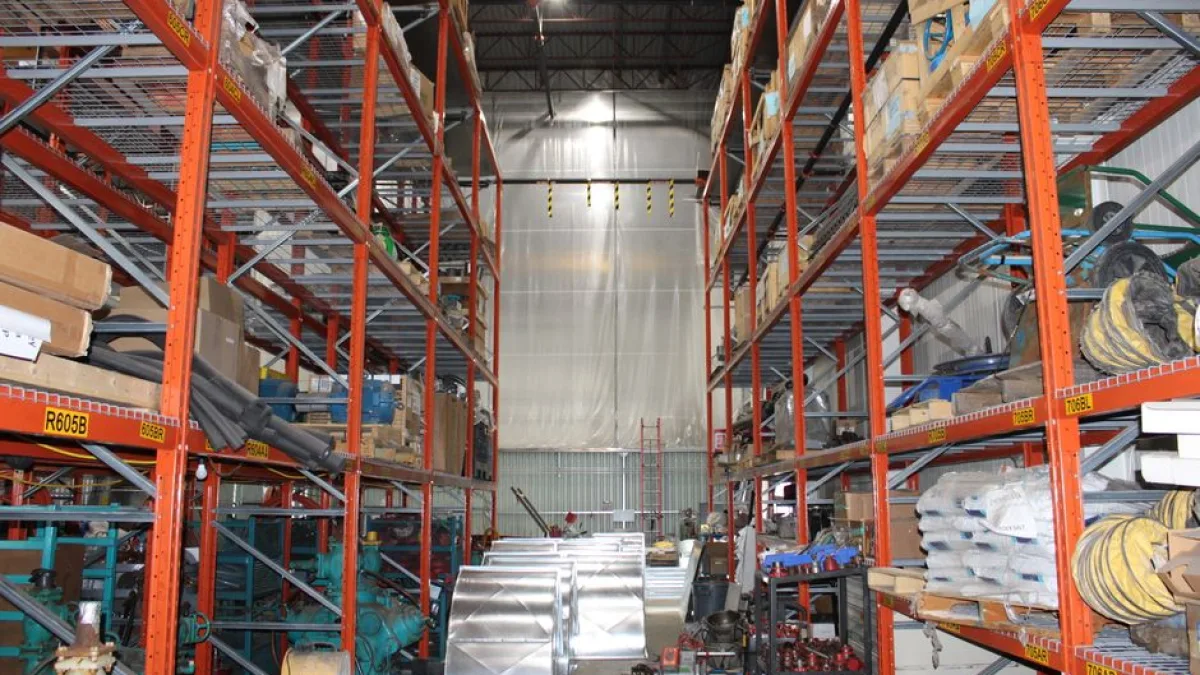
The movement of goods on the ground is just as critical as the flight itself. Efficient warehouse management and ground handling coordination are essential to ensure that cargo is ready for departure and retrieved quickly upon its arrival at destination.
- Barcode Scanning Integration: Use mobile scanning technology to track cargo movement inside your facility, ensuring that every pallet is accounted for and ready for airport transport.
- Automated Weight Calculation: Calculate chargeable weights automatically based on dimensions and weight to avoid billing discrepancies and ensure compliance with airline capacity and safety regulations.
- ULD Management Systems: Monitor the inventory and location of Unit Load Devices to ensure that proper equipment is always available for your high-priority cargo shipments.
- Ground Handling Coordination: Streamline communication with ground handlers through automated task lists that ensure loading priorities are clear and executed exactly according to the flight plan.
- Warehouse Space Optimization: Use digital layout planning to ensure that your warehouse maximizes its floor space and organizes cargo based on flight urgency and destination requirements.
Optimized ground operations create a smooth handoff between your warehouse and the airport tarmac. When every package is tracked, weighed, and staged correctly, the risk of misplacement or loading delays drops significantly. By investing in tools that connect your physical facility to your digital management system, you ensure that the air freight process remains fast, reliable, and entirely transparent from start to finish.
Conclusion

Mastering air freight requires a combination of industry expertise and the right technological tools to stay ahead. By digitizing documents, tracking shipments, optimizing capacity, and refining ground operations, forwarders can elevate their service levels significantly. Embrace these modern software solutions to reduce manual work and increase overall profitability. Your commitment to operational excellence today will define your long-term success in the competitive global air logistics market.