Optimizing Air Freight Operations with Modern Software Solutions
Friday, September 25 2026

The global air freight industry demands precision, speed, and absolute transparency in every transaction. As cargo volumes grow and client expectations for real-time tracking reach new heights, traditional manual workflows are quickly becoming a liability for freight forwarders. Modern cloud-based platforms provide the necessary infrastructure to manage complex logistics while reducing administrative overhead and human error. By integrating digital automation into daily operations, companies can move away from legacy systems and embrace a more scalable future. This transition is essential for maintaining a competitive edge in a fast-paced market that requires constant connectivity and seamless data exchange between all global stakeholders.
Digitizing Booking Workflows

Modern booking portals eliminate the need for endless email chains and manual data entry by centralizing communication channels. These tools empower agents to compare carrier rates instantly while ensuring that all essential documentation is generated and filed correctly for international air transit.
- Automated rate searches: Access real-time pricing from multiple airline carriers instantly to provide your clients with the most accurate and competitive quotes currently available in the dynamic logistics market.
- Instant booking confirmations: Reduce latency by receiving immediate digital notifications from airline partners, ensuring that your cargo space is secured and verified without waiting for manual processing delays.
- Standardized documentation flow: Create consistent air waybills and customs declarations automatically using pre-filled templates that minimize errors and keep your shipments moving smoothly through complex international border controls.
- Integrated communication tools: Centralize all booking-related discussions within the platform to maintain a comprehensive audit trail that keeps every team member informed about critical shipment updates at all times.
By shifting toward fully digital booking workflows, forwarders can reclaim valuable hours previously lost to administrative tasks. This efficiency gain allows logistics professionals to focus on high-value client relationships and strategic business growth rather than manual data reconciliation. Adopting these technologies ensures your team remains agile and responsive, which is vital when navigating the unpredictable nature of global air freight supply chains every day.
Real-Time Cargo Tracking

Visibility is the backbone of modern freight forwarding, as clients demand live updates on their shipments. Cloud-based platforms integrate directly with airline data streams to provide accurate location tracking, keeping customers informed and reducing their anxiety during the entire transit process.
- Live location monitoring: Provide your customers with accurate, map-based tracking updates that show exactly where their freight is located within the global airport network at any moment.
- Proactive delay alerts: Receive automated notifications about weather disruptions or flight schedule changes, allowing your team to communicate effectively with clients before minor issues escalate into major problems.
- Client portal access: Empower your customers to log into a dedicated portal where they can view their shipment status independently, significantly reducing the volume of inbound status inquiries.
- Milestone tracking accuracy: Capture every significant transit event from warehouse departure to final airport arrival, ensuring a complete and transparent view of the entire logistical journey for stakeholders.
Transparency builds trust, and trust is the currency of the freight forwarding industry. When clients have immediate access to the status of their cargo, their reliance on your services deepens significantly. Leveraging real-time data not only improves the overall customer experience but also allows your team to troubleshoot logistics bottlenecks quickly, maintaining the high service standards that modern businesses expect from their partners.
Optimizing Warehouse Efficiency
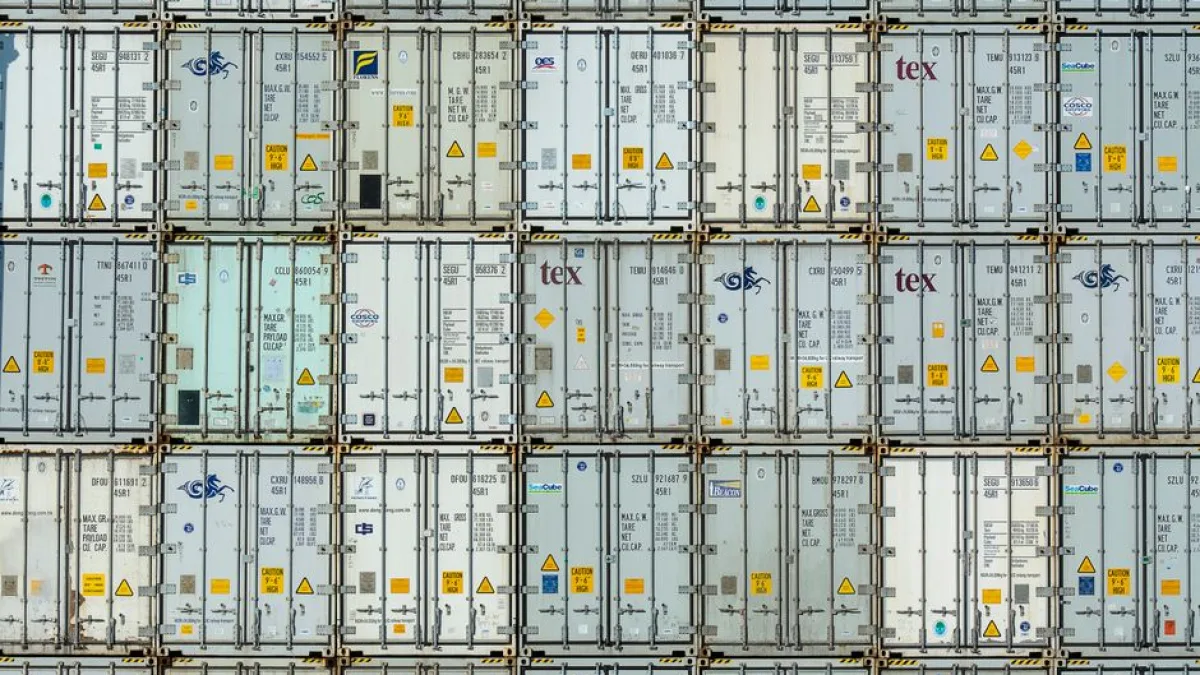
Efficient warehouse operations are critical for meeting tight flight windows and handling time-sensitive cargo. Smart software solutions assist in managing space allocation, sorting processes, and weight verification to ensure that every pallet is ready for rapid loading onto aircraft without any unnecessary delay.
- Smart space management: Organize your warehouse floor effectively by using digital tools that track shelf availability and optimize the movement of goods for maximum loading throughput speeds.
- Automated weight checks: Utilize integrated scale systems that automatically record cargo weight and dimensions, preventing issues with load planning or potential fines from airline carriers during processing.
- Streamlined inventory tracking: Maintain absolute accuracy in your warehouse counts with barcode scanning technology that updates inventory levels in the cloud as soon as items are moved.
- Rapid sorting logic: Deploy intelligent software algorithms that prioritize shipments based on flight schedules and destination requirements to ensure that urgent cargo never misses its intended connection.
A well-organized warehouse is the engine room of any successful air freight operation. By implementing digital tracking and management systems, you can reduce physical clutter and eliminate the search time for critical shipments. This optimization allows your ground teams to perform their duties with greater speed and accuracy, ultimately ensuring that your cargo moves through the airport facility with minimal downtime and maximum safety.
Strengthening Regulatory Compliance

Navigating the complex landscape of international customs and aviation regulations requires unwavering attention to detail. Digital compliance features ensure that all shipments meet security and documentation standards, protecting your company from audits, fines, and potential disruptions caused by non-compliant shipping practices during global transit.
- Automated regulatory updates: Keep your operation current with the latest international aviation security requirements by using software that pulls real-time information from major global customs regulatory databases.
- Validation logic checks: Prevent common filing mistakes by using built-in system checks that flag incomplete or incorrect documentation before it is submitted to customs authorities for final approval.
- Secure document archiving: Maintain a digital library of all historical customs records that are easily searchable and fully encrypted, ensuring you remain ready for any future audits.
- Standardized security protocols: Implement consistent digital safety procedures across your entire organization to guarantee that every shipment follows official protocols for hazardous or sensitive goods handling requirements.
Compliance is a critical responsibility that no professional freight forwarder can afford to ignore. By utilizing software to manage these complex regulatory requirements, you reduce the risk of costly delays and legal complications. A proactive approach to documentation ensures that your shipments pass through customs inspections without friction, securing your reputation as a reliable partner in the complex and highly regulated air logistics sector.
Conclusion

Transitioning to a cloud-based freight platform is no longer optional for air freight professionals who want to lead the market. By automating bookings, increasing visibility, optimizing warehouse work, and ensuring compliance, you position your business for sustainable success. Evaluate your current software today and start your journey toward a more efficient, digital-first logistics operation that serves your clients and your bottom line.